
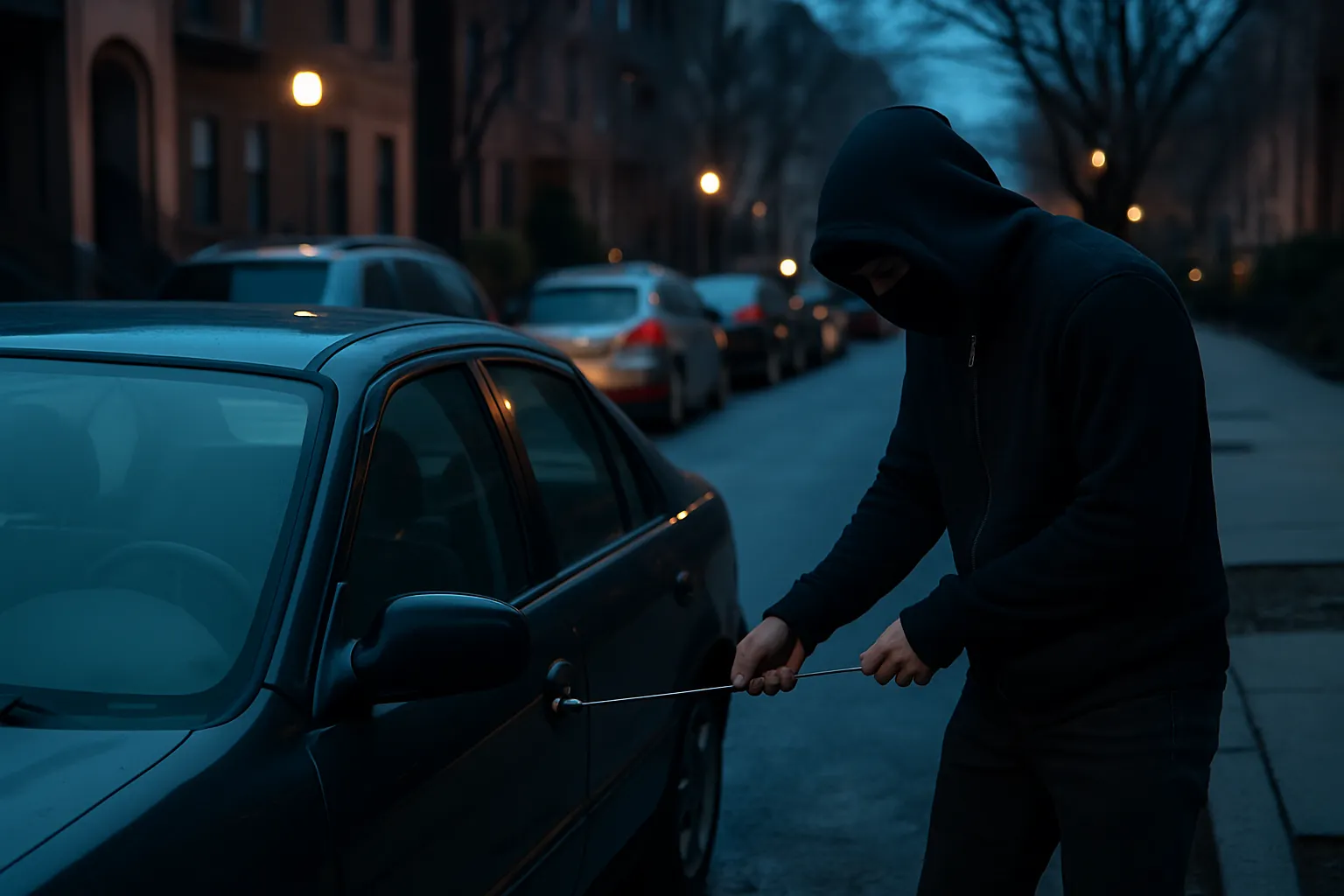
Vehicle theft is one of those worst-case scenarios that most drivers hope they never experience. But for thousands of people every year, it becomes a sudden and expensive reality. The situation becomes even more devastating when a stolen vehicle isn’t covered by auto insurance—especially the type of coverage that protects against theft: comprehensive insurance.
At Auto Appraisals, we’ve seen firsthand how individuals struggle not only with the emotional shock of losing a vehicle but also with the legal and financial fallout of being uninsured. This guide walks you through exactly what happens when your car is stolen and you don’t have auto insurance—and what steps you can take to recover.
Why Vehicle Theft Happens More Often Than Most Drivers Think
It’s easy to assume car theft is something that only happens in big cities or to high-end luxury vehicles, but theft has become increasingly opportunistic and widespread. Technology has made some cars easier to steal, not harder. Even in suburban neighborhoods, a vehicle can disappear in minutes.
Car Theft Trends in the U.S.
Here’s a quick snapshot to understand the current landscape:
| Trend | What It Means |
| Rising national theft rates | Theft numbers have increased over the past few years. |
| Older cars are easy targets | Lack of modern anti-theft tech makes them vulnerable. |
| Keyless entry hacking | Thieves can clone signal frequencies to unlock cars. |
| High demand for parts | Vehicles are stolen, stripped, and sold within hours. |
Understanding how common theft is underscores why insurance—specifically comprehensive coverage—is critical.
What Insurance Actually Covers (and Doesn’t Cover)
Before diving into what happens when you’re uninsured, it helps to understand the role insurance plays in vehicle theft cases.
A. What Comprehensive Coverage Protects Against
Comprehensive insurance is what pays for theft-related losses, and it covers:
- Vehicle theft
- Attempted theft
- Break-in damage
- Vandalism
- Parts stolen from the vehicle
It also handles the claims process, arranges appraisals, and ensures you receive a fair settlement.
As an auto insurance appraisal company, Auto Appraisals works with insurers, claimants, and repair facilities to document losses accurately and fairly. When someone has comprehensive coverage, the appraisal process helps determine the value of the stolen vehicle or whether it is a total loss if recovered damaged.
B. What Liability-Only Insurance Does Not Cover
Many drivers mistakenly believe “basic coverage” means “covered for everything.”
Liability-only insurance covers:
- Injuries or property damage you cause to others
- Legal requirements for driving
But it does not cover:
- Your stolen car
- Your vehicle’s damage
- Your repair costs
- Your personal financial loss
C. What Happens When You Have No Insurance At All
When your vehicle is stolen and you have zero insurance, the situation becomes exponentially worse:
- No payout
- No assistance with the recovery process
- No rental reimbursement
- No repair or replacement help
- You absorb 100% of the loss
This is the point where most people begin to feel the full financial weight of being uninsured.
The Moment You Discover Your Vehicle Is Gone
It’s a surreal experience—panicking, checking the street twice, wondering if it was towed, and realizing the car is truly gone.
Here’s what happens step-by-step.
A. Required Steps After Theft
Even without insurance, you still need to:
- Report the theft to police immediately
- Check local tow and impound lots (vehicles are sometimes towed for violations)
- File a stolen vehicle report with the DMV
- Contact your lender (if you still owe on the car)
If you did have insurance, this is where your insurer would jump in to guide the recovery and appraisal process. Without coverage, you’re navigating the entire ordeal alone.
B. Emotional and Logistical Fallout
Without a car—and with no insurance to lean on—you’re suddenly faced with:
- Struggling to get to work
- Disruption of daily responsibilities
- Emotional stress and uncertainty
- Potential loss of income
- Pressure to buy transportation immediately
This sudden disruption is something most theft victims underestimate until they experience it.
Legal Consequences of Not Having Auto Insurance
Many drivers don’t realize that for many states, not having auto insurance is its own separate violation—even if you weren’t driving at the time of theft.
Possible Penalties Include:
- Fines of $200 to $1,000+
- License suspension
- Registration suspension
- Court fees
- SR-22 filing requirements
- Penalties for lapses in coverage
If Your Stolen Car Is Involved in a Crime or Crash
This rare but serious complication can lead to:
- Investigations
- Impound fees
- Damage responsibilities under certain circumstances
Even though you weren’t behind the wheel, dealing with legal fallout becomes more complicated when you are uninsured.
The Financial Fallout: What You’re Responsible For
This is where your situation gets extremely costly if you don’t have auto insurance.
A. You Lose the Entire Value of the Car
Without comprehensive insurance, there is no reimbursement for the stolen vehicle.
If your car was worth $8,000, $15,000, or $40,000—that money is simply gone.
B. You Still Owe the Lender
If you financed or leased the vehicle:
- You must continue making payments
- The lender does not forgive the loan because the car is stolen
- You may face repossession if you stop paying
- Your credit score can drop significantly
This creates a difficult situation where you are making payments on a car you no longer possess while trying to afford a replacement.
C. Transportation Costs Fall on You
Without insurance, you must cover:
- Rental car fees
- Rideshare expenses
- Public transit costs
- The cost of buying another vehicle
These expenses add up quickly, often within days.
What If Your Stolen Car Is Found?
Recovered stolen vehicles are rarely returned in the condition they were taken. Most are stripped, damaged, or abandoned.
A. Typical Conditions of Recovered Vehicles
Here’s a breakdown:
| Condition | What It Means For You |
| Stripped | Missing wheels, airbags, catalytic converter, or interior components—expensive to repair. |
| Damaged | Broken steering column, smashed windows, body damage. |
| Totaled | Too expensive to repair—still no insurance payout. |
| Used in a crime | Police evidence hold, impound fees, investigation delays. |
B. You Pay All Costs Out of Pocket
This includes:
- Towing
- Storage fees
- Police release fees
- Repairs
- Replacement parts
With insurance, these would be handled through a formal theft or total loss claim with accurate appraisal support. Without coverage, you bear every expense yourself.
How Losing an Uninsured Vehicle Impacts Your Life
The consequences extend far beyond the initial shock.
A. Impact on Employment
Many people rely on their vehicle to maintain their job. Without it:
- You may miss shifts
- Commutes become unreliable
- Some employers may reduce hours or terminate employment
B. Family & Personal Responsibilities
Expect disruptions with:
- School drop-offs
- Medical appointments
- Errands
- Caregiving
- Daily routines
C. Emotional Impact
Vehicle theft creates:
- Anxiety
- Stress
- A loss of security
- Difficulty trusting your surroundings
And when you’re uninsured, the emotional weight is even heavier because the financial burden is entirely yours.
Theft Prevention Tips—Especially Important If You Don’t Have Insurance
While prevention is not a replacement for coverage, it can reduce risk.
Security Devices
- Steering wheel locks
- GPS trackers
- Alarm systems
- Immobilizers or kill switches
Parking Habits
- Park in well-lit areas
- Use garages when possible
- Avoid leaving valuables visible
- Lock doors and roll up windows every time
Technology Awareness
- Keep keys away from doors (to avoid relay signal hacking)
- Use RFID-blocking pouches for key fobs
However, even the best security can’t guarantee protection—insurance exists to provide financial recovery when prevention fails.
What to Do After a Theft When You’re Uninsured
You still have options, even though the process is tougher without financial protection.
A. Report and Document Everything
Document the stolen vehicle thoroughly:
- Police report
- Photos
- VIN
- Last known location
- Description of personal items inside
This documentation helps if the vehicle is recovered later.
B. Contact Your Lender
Discuss:
- Hardship plans
- Loan modification
- Deferred payment options
C. Explore Low-Cost Transportation
- Inexpensive used vehicles
- Car-sharing services
- Public transit
- Employer commuting programs
D. Begin Rebuilding Financial Stability
- Adjust your budget
- Build an emergency fund
- Repair credit if needed
- Reassess insurance needs moving forward
Why Getting Insurance Now Is the Smartest Move
Even if you’ve already experienced a theft or are dealing with tight finances, securing coverage going forward protects you from even greater losses.
A. The True Cost Comparison
A typical comprehensive policy might cost:
| Item | Typical Cost |
| Comprehensive premium | $8–$25 per month |
| Loss from theft without insurance | Thousands to tens of thousands |
The financial math speaks for itself.
B. Low-Cost Options Exist
- High-deductible policies
- State-sponsored insurance programs
- Basic comprehensive coverage for theft-only protection
C. Continuous Coverage Protects You
Maintaining uninterrupted insurance coverage helps:
- Lower premiums
- Prevent reinstatement fees
- Avoid SR-22 requirements
- Ensure financial protection in future thefts or accidents
Final Thoughts from Auto Appraisals
Having your car stolen is a devastating experience. Facing that loss without insurance makes the situation exponentially harder—legally, financially, and emotionally.
At Auto Appraisals, our team sees the impact vehicle theft has on drivers every day. We work on the appraisal and claims side, helping people navigate theft recoveries, total-loss evaluations, and accurate settlements. But the truth is simple:
Insurance—especially comprehensive coverage—is the only safety net that protects you from losing everything.
If your vehicle were stolen today and you had no insurance, the consequences would include:
- Total financial loss
- Ongoing loan payments
- No reimbursement
- No appraisal or claims support
- Expensive recovery costs
- Legal penalties for being uninsured
- Disruption to work and daily life
Protecting yourself with insurance is an investment that pays for itself hundreds of times over in a theft situation.
If you ever need support understanding appraisals, total-loss valuations, or the claims process, Auto Appraisals is here to help you navigate the details with clarity and confidence.
FAQs
You are fully responsible for the financial loss, including replacing the vehicle and covering any related expenses.
Yes, police will still investigate, but without insurance you won’t receive reimbursement or claims assistance.
Yes, lenders require payments regardless of whether the car is stolen or uninsured.
Yes, most states impose fines, license suspensions, and other penalties for being uninsured.
Without comprehensive insurance, you must pay all repair, towing, and impound fees out of pocket.
No, auto insurance doesn’t cover personal items unless you have renters or homeowners insurance.
You may need to cooperate with investigations, and the vehicle could be held in impound longer.
Use anti-theft devices, park in secure areas, and avoid leaving valuables visible.
No, but it’s the only coverage that protects you financially in the event of theft.
Contact the police immediately, file a theft report, and notify your lender if you still owe on the vehicle.