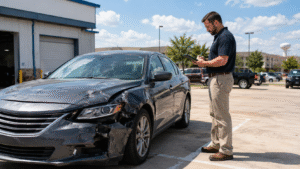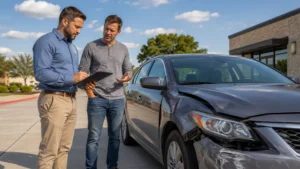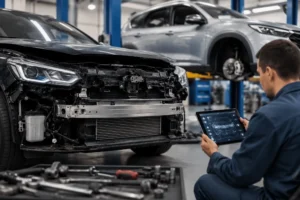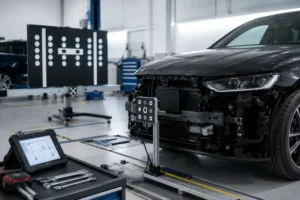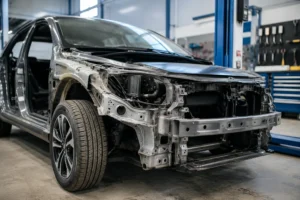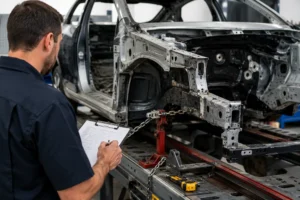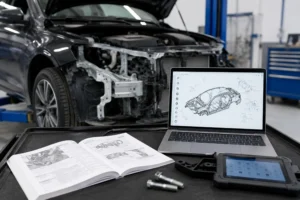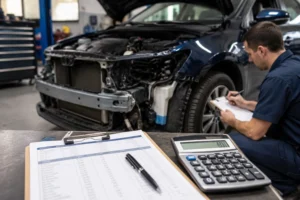
Car accidents are stressful. Even minor ones. After the initial shock wears off, the next step usually involves filing an insurance claim and waiting for a vehicle inspection. Traditionally, that meant scheduling an appointment, meeting an adjuster, and waiting days sometimes weeks for a repair estimate. Today, things are changing fast. The rise of the virtual auto damage appraiser is transforming how vehicle inspections and insurance claims are handled. Instead of waiting for someone to physically inspect the car, damage assessments can now happen remotely using photos, video, and specialized estimating software.
It’s faster. More convenient. And surprisingly accurate when done properly. In this guide, we’ll break down how a virtual auto damage appraiser works, what technology makes it possible, and how vehicle owners can prepare for a successful remote inspection. If you’ve recently been in an accident or are navigating an insurance claim, this information can help you understand what to expect and how to get the most accurate estimate possible.
What Is a Virtual Auto Damage Appraiser?
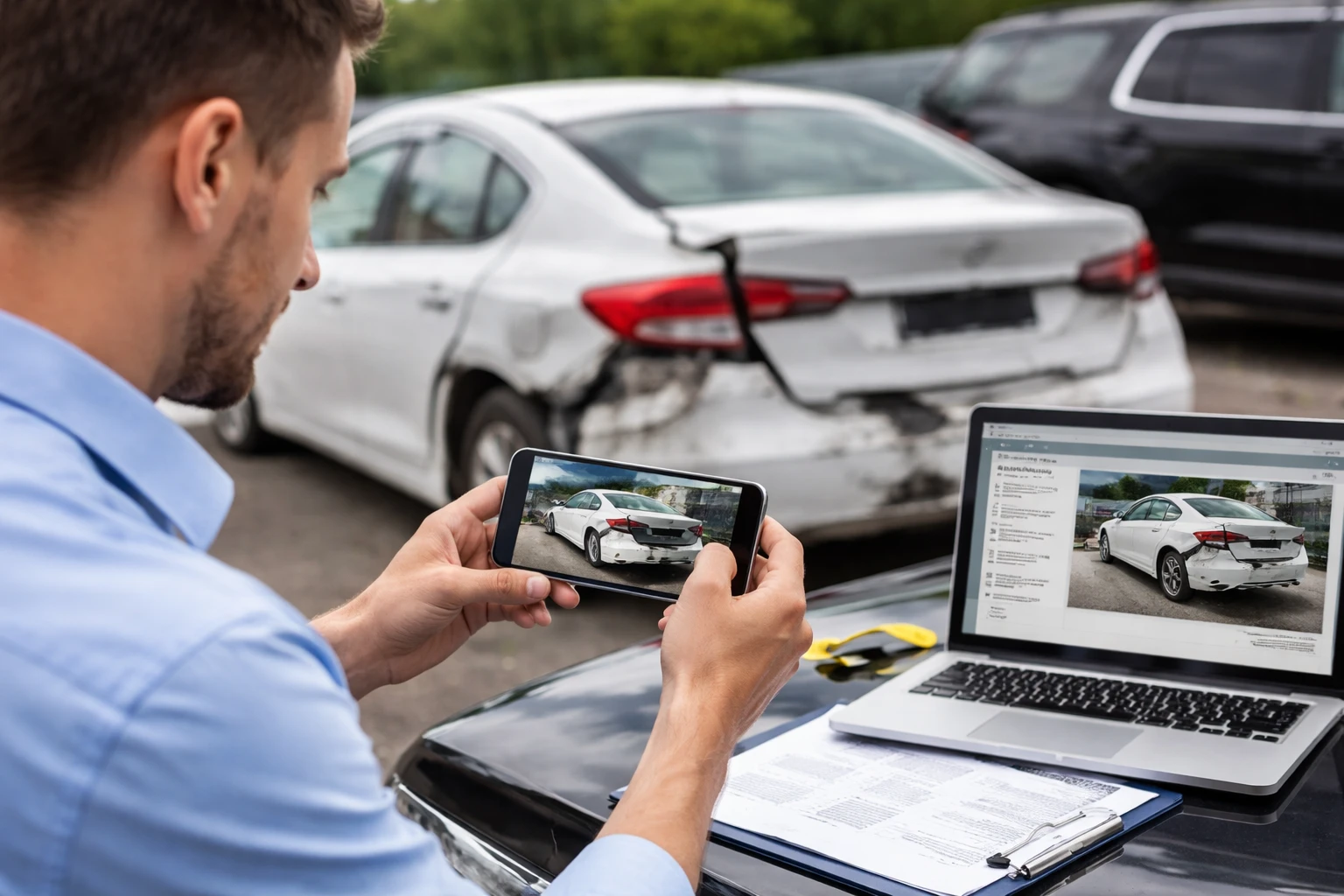
A virtual auto damage appraiser is a professional who evaluates vehicle damage remotely rather than inspecting the car in person. Instead of visiting the vehicle physically, the appraiser reviews photos, videos, and documentation submitted by the vehicle owner or repair shop. This modern approach relies heavily on digital tools. Smartphones, cloud software, and estimating platforms all work together to allow the appraiser to assess visible damage and calculate repair costs.
Think of it like a remote consultation but for vehicles.
Instead of driving to a claims center, you document the damage yourself and submit the information electronically. The appraiser then reviews the materials and prepares a repair estimate. The goal remains the same as traditional inspections: determine the extent of damage and calculate the cost of repairs. Only now it happens faster.
How Virtual Auto Damage Appraisal Works
The process may sound technical, but for most vehicle owners it’s surprisingly simple. In fact, many insurance companies have streamlined the process so it can be completed within minutes. Let’s walk through the typical steps.
Step 1: Filing the Insurance Claim
Everything starts with reporting the accident to your insurance company. Once the claim is opened, the insurer may offer a virtual inspection option. Instead of scheduling a physical visit, you’ll receive instructions to submit photos or videos of the damaged vehicle. Some insurers even provide a mobile app that guides you through the process.
Step 2: Submitting Photos and Vehicle Information
At this stage, you document the damage. This is where accuracy matters.
A virtual auto damage appraiser relies entirely on the quality of the information you provide. Clear photos and complete documentation help ensure the estimate is accurate.
Typical photo requirements include:
- Front view of the vehicle
- Rear view of the vehicle
- Both sides of the vehicle
- Close-up photos of the damage
- Interior view of the dashboard
- Odometer reading
- Vehicle Identification Number (VIN)
Some claims platforms also request short videos showing the damaged areas.
Step 3: Damage Review by the Appraiser
Once the photos are submitted, the virtual auto damage appraiser begins analyzing the materials.
They look closely at several factors:
- Visible body damage
- Panel alignment
- Paint damage
- Broken components
- Potential structural indicators
Using industry-standard estimating software, the appraiser identifies the parts involved and determines the necessary repair procedures.
The process can be surprisingly analytical. In many ways, a skilled appraiser evaluates damage patterns using careful observation and structured reasoning that resembles <a href=”https://en.wikipedia.org/wiki/Heuristic” target=”_blank”>heuristic</a> analysis, where experience and pattern recognition help professionals make accurate judgments based on available information.
Step 4: Repair Estimate Creation
The next step involves generating a repair estimate. This is done using specialized automotive estimating systems that contain databases of labor times, parts costs, and repair procedures.
Here’s what the estimate typically includes:
| Repair Category | Example Items |
| Replacement Parts | Bumper covers, headlights, panels |
| Labor Costs | Body repair labor, paint labor |
| Paint Materials | Primer, basecoat, clear coat |
| Mechanical Components | Sensors, brackets, supports |
| Additional Repairs | Alignment checks or recalibration |
The virtual auto damage appraiser calculates the total projected repair cost based on this information.
Step 5: Claim Processing and Approval
After the estimate is completed, it is sent to the insurance company for review. In many cases, approval happens quickly.
From there, the vehicle owner can choose a repair shop and begin the repair process.
If additional damage is discovered during repairs, the shop may submit a supplement request for further review.
Technology Behind Virtual Auto Damage Appraisals
Remote appraisals wouldn’t be possible without modern digital tools. Several technologies work together to make the process efficient and reliable.
Mobile Inspection Apps
Many insurance companies now use dedicated mobile applications. These apps guide users step-by-step through the photo process.
They often include features like:
- Automatic photo prompts
- Built-in lighting adjustments
- Damage tagging tools
- Secure file uploads
These tools make it easier for a virtual auto damage appraiser to review the claim.
Artificial Intelligence Damage Detection
Some platforms now incorporate artificial intelligence to analyze vehicle damage photos.
AI systems can:
- Identify damaged panels
- Estimate repair categories
- Flag possible structural damage
- Recommend repair procedures
While the final decision still belongs to the human appraiser, AI tools can speed up the evaluation process.
Estimating Software
Professional estimating systems are essential to every virtual auto damage appraiser.
These platforms contain massive databases of repair information, including:
- Manufacturer repair procedures
- Labor time standards
- Parts pricing
- Paint calculations
This ensures estimates remain consistent across the industry.
Cloud-Based Reporting
All inspection data is stored digitally. That means repair shops, insurance companies, and vehicle owners can access claim details quickly.
This reduces paperwork and speeds up communication between all parties involved.
Benefits of Using a Virtual Auto Damage Appraiser
The shift toward remote appraisals didn’t happen by accident. The benefits are substantial.
Faster Claims Processing
Traditional inspections can take days to schedule. With a virtual inspection, the process often begins immediately.
In many cases, estimates are completed within 24 hours.
Convenience for Vehicle Owners
You no longer need to drive to a claims center or wait for an adjuster to arrive. Everything happens from your driveway.
Reduced Insurance Costs
Remote inspections reduce operational expenses for insurers. That savings can translate into more efficient claims processing.
Improved Accessibility
Vehicle owners in rural areas benefit greatly from this technology. A virtual auto damage appraiser can evaluate damage anywhere no travel required.
Limitations of Virtual Auto Damage Appraisals
Despite the advantages, virtual inspections aren’t perfect.
Hidden Damage
Photos only show what’s visible. Structural damage or internal mechanical issues may not appear in images. This is why repair shops sometimes submit supplemental estimates.
Poor Photo Quality
Blurry photos or bad lighting can make accurate evaluation difficult. If the images are unclear, the appraiser may request additional documentation.
Technology Barriers
Some vehicle owners struggle with mobile apps or photo submissions. Clear instructions from the insurance company usually solve this issue.
When Virtual Appraisals Work Best
A virtual auto damage appraiser is particularly effective in certain situations.
Common examples include:
- Minor collision damage
- Scratches or dents
- Parking lot accidents
- Fender benders
- Cosmetic panel damage
These situations typically involve visible damage that can be documented easily.
Situations That May Require In-Person Inspection
Some accidents are simply too complex for a remote evaluation.
Examples include:
- Major collisions
- Airbag deployment
- Structural frame damage
- Total loss evaluations
- Disputes over repair costs
In these cases, a physical inspection may still be necessary.
How to Prepare for a Virtual Damage Inspection
Preparation makes a huge difference. A well-documented claim leads to a more accurate estimate. Here are practical steps vehicle owners can follow.
Take Clear Photos
Use natural daylight if possible.
Avoid shadows and reflections that hide damage.
Capture Multiple Angles
One photo rarely tells the whole story. Provide several angles of each damaged area. This helps the virtual auto damage appraiser understand the full extent of the impact.
Clean the Damaged Area
Dirt and debris can hide cracks or scratches. A quick wash can improve photo clarity dramatically.
Include Wide Shots
Take photos showing the entire vehicle, not just the damaged area. These images provide important context.
Follow the Photo Checklist
A complete submission often includes:
- Front vehicle photo
- Rear vehicle photo
- Both sides of the car
- Close-ups of damage
- Dashboard and mileage
- VIN plate
How Virtual Appraisals Are Changing the Insurance Industry
Insurance companies are rapidly embracing digital claims processing. The traditional inspection model required travel, scheduling, and physical paperwork. Remote inspections eliminate many of those barriers.
The result?
Faster claim resolutions and improved customer experience. A virtual auto damage appraiser can often evaluate multiple claims in the time it once took to travel to a single inspection site. That efficiency is reshaping the entire claims workflow.
The Future of Virtual Auto Damage Appraisers
Technology continues to evolve. And with it, the role of remote vehicle inspections. Several emerging innovations are likely to shape the next generation of virtual appraisals.
Artificial Intelligence Estimating
AI systems are becoming better at recognizing vehicle damage patterns. This could significantly speed up initial estimates.
3D Smartphone Scanning
Modern smartphones now include depth sensors and LiDAR technology. These tools could allow vehicle owners to create 3D damage scans for more accurate evaluations.
Augmented Reality Guidance
Future inspection apps may guide users in real time, showing exactly where to position the camera. This ensures the virtual auto damage appraiser receives consistent documentation.
Integrated Repair Shop Systems
Digital systems may soon connect insurers directly with repair shops, allowing instant approval of repairs. This would dramatically reduce claim processing times.
Final Thoughts
The automotive insurance industry is evolving rapidly. Digital tools are transforming how claims are handled, and the virtual auto damage appraiser has become a central part of that transformation. Remote inspections offer speed, convenience, and efficiency for both insurers and vehicle owners. When done correctly, they can deliver accurate repair estimates without the delays of traditional inspections.
For drivers navigating an accident claim, understanding how virtual appraisals work can make the process smoother and less stressful. Technology may continue to evolve, but one thing is clear: virtual inspections are no longer the future of auto damage evaluation. They are already here. And they are changing the claims process for the better.
FAQs
A virtual auto damage appraiser is a professional who evaluates vehicle damage remotely using photos, videos, and digital inspection tools instead of inspecting the vehicle in person.
Vehicle owners submit photos and information about the damaged vehicle through an insurance app or online portal, and the appraiser reviews the materials to prepare a repair estimate.
Yes, they can be very accurate for visible damage when clear photos and detailed documentation are provided.
Most insurers require photos of the front, rear, both sides of the vehicle, close-ups of the damage, the VIN plate, and the dashboard showing mileage.
Many virtual appraisals are completed within a few hours to one business day after the photos are submitted.
Yes, damage that is not visible in photos may be discovered later by a repair shop and added through a supplemental estimate.
Many insurance companies now offer virtual inspections for minor accidents, though complex cases may still require in-person inspections.
Major accidents, structural damage, airbag deployment, or total loss claims often require a physical inspection by an appraiser.
Take clear photos in good lighting, capture multiple angles of the damage, and include wide shots of the entire vehicle for context.
Not entirely; virtual appraisals handle many minor claims, but traditional inspections are still used for complex or severe vehicle damage cases.