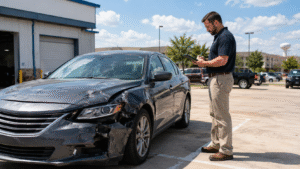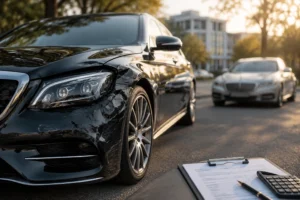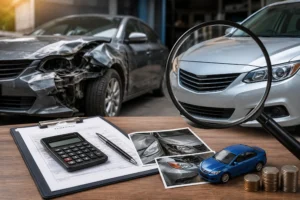
After a car accident, most drivers assume the insurance estimate tells the whole story. It often doesn’t.
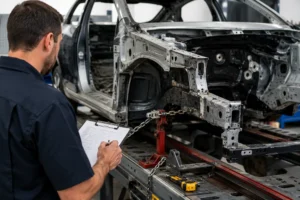
A supplement auto insurance claim exists because vehicle damage is frequently more extensive than what appears during an initial inspection. What looks like a simple bumper replacement may reveal hidden structural damage, damaged sensors, broken mounting brackets, or safety components that require replacement once repairs begin.
That creates a problem. If those additional costs are not properly documented and submitted, vehicle owners may face delays, disputes, or repair compromises they never expected.
I’ve seen many situations where an insurance company’s first estimate looked reasonable at first glance. Then the repair facility disassembled the vehicle and discovered thousands of dollars in additional damage. Suddenly, the original estimate was no longer enough.
Understanding how a supplement auto insurance claim works can help you protect your vehicle, your safety, and your financial interests.
What Is a Supplement Auto Insurance Claim?
A supplement auto insurance claim is a request for additional payment after new accident-related damage is discovered during the repair process.
The initial estimate is rarely the final number. In fact, supplemental claims are common in modern collision repairs because today’s vehicles contain complex systems that cannot always be fully inspected until technicians begin disassembly.
Think of the original estimate as an educated starting point.
The supplement fills in the gaps.
Why Supplemental Claims Happen So Often
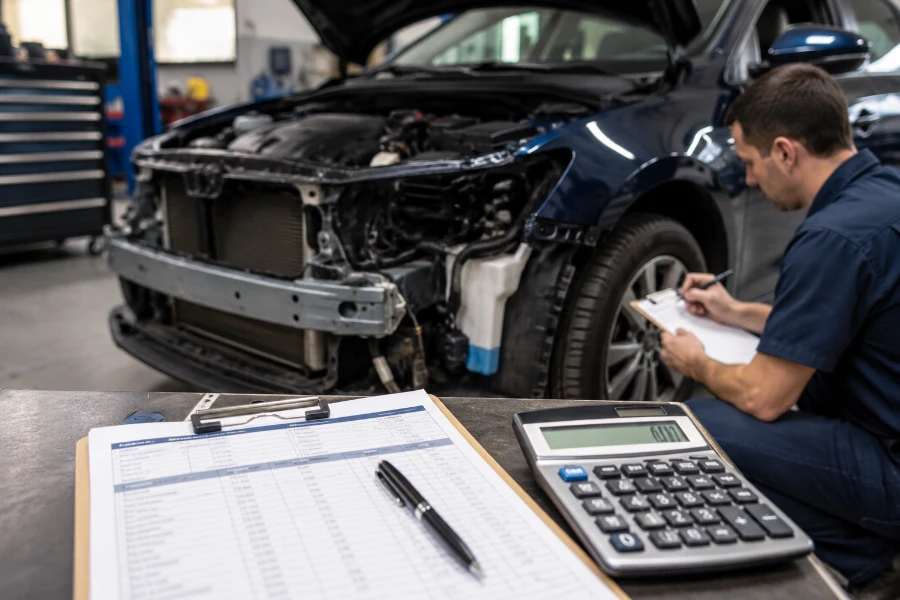
Insurance adjusters often inspect vehicles while they remain fully assembled. They can only document what is visible.
Repair technicians work differently.
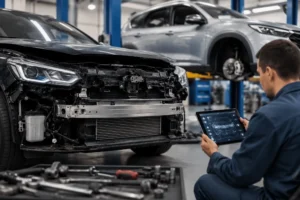
Once they remove damaged panels, bumpers, trim pieces, and mechanical components, they gain access to areas hidden during the initial inspection.
That is when additional damage frequently appears.
Common discoveries include:
- Bent reinforcement bars
- Cracked mounting brackets
- Hidden frame damage
- Damaged wiring harnesses
- Sensor failures
- Suspension damage
- Internal component failures
- Additional paint and refinishing requirements
None of these items may have been visible during the first inspection.
Why Initial Insurance Estimates Are Often Too Low
Many vehicle owners assume a low estimate means the insurance company is intentionally trying to reduce payment.
Sometimes disputes happen. However, many low estimates occur because of inspection limitations rather than bad intentions.
The problem is visibility.
Visible Damage Tells Only Part of the Story
A damaged bumper cover may seem like a straightforward repair.
However, behind that bumper could be:
| Visible Damage | Hidden Damage Often Found |
| Bumper Cover | Impact Bar Damage |
| Fender Damage | Structural Distortion |
| Door Damage | Internal Reinforcement Damage |
| Rear-End Damage | Sensor and Wiring Damage |
| Front-End Damage | Radiator Support Damage |
Until the vehicle is partially disassembled, nobody knows the full extent of repairs required.
Modern Vehicles Are More Complex Than Ever
Ten years ago, many collision repairs focused on sheet metal and paint.
Today’s vehicles are different.
Advanced Driver Assistance Systems (ADAS) now include:
- Blind spot monitoring
- Forward collision warning
- Lane departure warning
- Adaptive cruise control
- Automatic emergency braking
- Parking sensors
- Camera systems
Many newer vehicles also rely on sophisticated telematics technology that allows systems throughout the vehicle to communicate and exchange data. While these innovations improve safety and convenience, they also increase repair complexity after an accident.
A seemingly minor collision can affect multiple electronic systems.
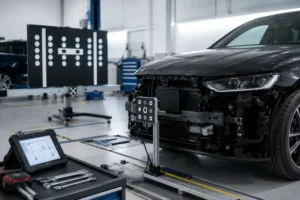
Even worse, many sensors require calibration after repairs. Modern Advanced Driver Assistance Systems (ADAS) often require specialized procedures to ensure safety features perform properly after repairs are completed.
These procedures can add hundreds or even thousands of dollars to the repair bill.
If they are omitted, safety systems may not perform correctly.
Repair Facilities Discover Additional Damage Every Day
Professional collision repair facilities expect supplemental claims.
Why?
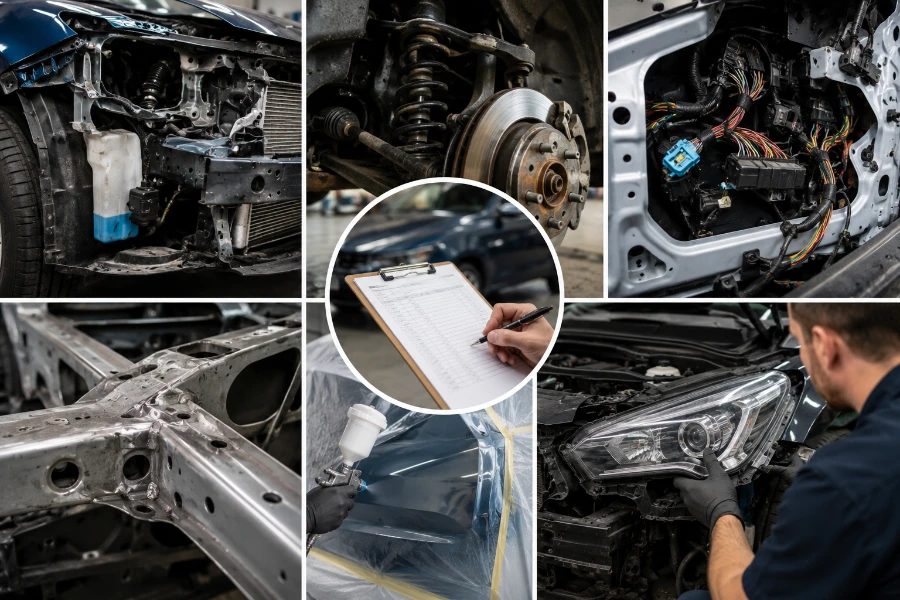
Because they routinely uncover damage hidden beneath exterior panels.
Examples include:
- Crushed energy absorbers
- Bent subframes
- Damaged suspension components
- Misaligned structural sections
- Hidden corrosion exposure
- Damaged electronic modules
This is one reason a supplement auto insurance claim has become a standard part of the repair process rather than an exception.
Common Reasons for Filing a Supplement Auto Insurance Claim
Not every supplemental claim looks the same.
Some involve a few hundred dollars. Others involve several thousand.
Hidden Structural Damage
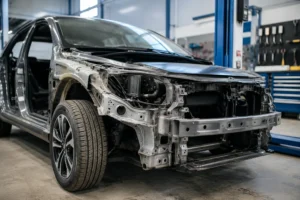
Structural components absorb crash energy during an accident.
While these parts may appear intact externally, closer inspection often reveals:
- Buckling
- Distortion
- Cracks
- Stress damage
Repair facilities cannot safely ignore these issues.
Additional Labor Costs
Insurance estimates sometimes underestimate labor requirements.
Once repairs begin, technicians may discover additional procedures are necessary, including:
- Corrosion protection
- Weld preparation
- Seam sealing
- Structural measurements
- Safety inspections
Each procedure adds legitimate labor costs.
OEM Parts Requirements
One of the most common supplement disputes involves replacement parts.
Insurers may initially approve aftermarket or recycled parts.
However, repair facilities sometimes determine that Original Equipment Manufacturer (OEM) parts are necessary for:
- Proper fit
- Safety compliance
- Sensor compatibility
- Structural integrity
The resulting cost difference often becomes part of a supplemental claim.
Calibration and Programming Charges
Modern repairs often require electronic recalibration.
These procedures may include:
- Radar calibration
- Camera alignment
- Steering angle sensor calibration
- Parking sensor calibration
- Adaptive cruise control calibration
Many vehicle owners are surprised by these costs.
Insurance companies often request documentation before approving them, which is why thorough repair records matter.
Mechanical Damage Related to the Collision
Accidents can affect more than body panels.
Supplemental claims frequently include:
- Steering damage
- Suspension damage
- Axle damage
- Cooling system damage
- Transmission-related components
Some of these issues remain hidden until repairs progress.
Paint and Refinishing Procedures
Paint work is far more involved than many people realize.
Supplement requests often include:
- Blend panels
- Additional masking
- Color matching procedures
- Clear coat applications
- Specialty paint materials
These operations help ensure a proper repair and consistent appearance.
How the Supplemental Claims Process Works
Many vehicle owners never see what happens behind the scenes.
Understanding the process helps reduce frustration.
Step 1: Initial Estimate Is Prepared
The insurance company prepares an estimate based on visible damage.
At this stage, the estimate represents the insurer’s preliminary assessment.
It is not necessarily the final repair cost.
Step 2: Vehicle Disassembly Begins
The repair facility starts removing damaged components.
This stage often reveals additional accident-related damage.
The more severe the collision, the more likely hidden damage will be found.
Step 3: Additional Damage Is Documented
Technicians photograph and document newly discovered issues.
Supporting documentation often includes:
- Digital photos
- Repair measurements
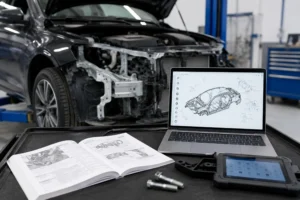
- Manufacturer repair procedures
- Parts documentation
- Labor calculations
Strong documentation becomes critical.
Step 4: Supplement Request Is Submitted
The repair facility submits the additional repair requirements to the insurance company.
The supplement package typically includes:
| Documentation | Purpose |
| Photos | Visual proof of damage |
| Repair Plan | Explains required repairs |
| Labor Documentation | Supports repair time |
| Parts Information | Justifies replacement needs |
| OEM Procedures | Supports manufacturer requirements |
Step 5: Insurance Review
The insurance carrier reviews the submission.
Depending on the claim, the insurer may:
- Approve immediately
- Request additional information
- Conduct a reinspection
- Negotiate certain repair items
This review period varies significantly.
Some approvals occur within hours.
Others take several days.
Signs Your Supplemental Claim May Be Underpaid
Not every supplement auto insurance claim receives full approval.
That is where many vehicle owners become frustrated.
Some warning signs deserve immediate attention.
Missing Repair Operations
Review every line item carefully.
Missing operations may include:
- Diagnostic scans
- Corrosion protection
- Safety inspections
- Structural measurements
- Electronic calibrations
Even one omitted procedure can affect repair quality and vehicle safety.
Labor Rates Seem Unrealistically Low
Collision repair facilities operate within local labor markets.
When approved labor rates fall significantly below prevailing market rates, disputes often follow. A low labor rate can create a gap between what the insurer pays and what the repair facility actually charges.
Denied OEM Parts
Insurance carriers may reject requests for OEM parts in favor of aftermarket alternatives.
However, some repairs require manufacturer-approved components to maintain fit, functionality, and safety system performance. If those parts are denied without justification, the supplement auto insurance claim may be undervalued.
Missing Calibration Procedures
Modern vehicles rely on cameras, radar units, and electronic safety systems.
If calibration procedures are absent from the estimate, ask questions. These procedures are often mandatory according to manufacturer repair guidelines.
Manufacturer Procedures Are Ignored
Vehicle manufacturers publish detailed repair procedures.
When estimates fail to account for required steps, the vehicle may not be restored to its pre-loss condition. That can affect safety, performance, and future resale value.
The Challenges Vehicle Owners Face During Supplement Claims
The process sounds simple on paper.
Reality can be different.
Insurance Delays
Some supplement approvals happen quickly.
Others drag on for days or even weeks. During that time, repairs may stall, leaving vehicle owners without transportation.
Partial Approvals
Insurance companies sometimes approve portions of a supplemental claim while denying others.
This creates a new challenge. The repair facility believes certain procedures are necessary, while the insurer disagrees.
Repair Method Disputes
Arguments often arise over:
- Repair versus replacement
- OEM versus aftermarket parts
- Labor times
- Calibration requirements
- Manufacturer repair standards
These disagreements can significantly impact the final settlement amount.
Pressure to Accept Less
Some vehicle owners simply want the process finished.
That is understandable.
However, accepting an incomplete settlement may leave important repairs unfunded.
Communication Breakdowns
Repair facilities, insurance companies, and vehicle owners all play a role in the process.
When communication breaks down, misunderstandings and delays often follow.
How Auto Appraisals Can Support Supplemental Claims
Sometimes a supplement auto insurance claim reaches a standstill.
That is where independent auto appraisals can provide valuable support.
Independent Damage Evaluation
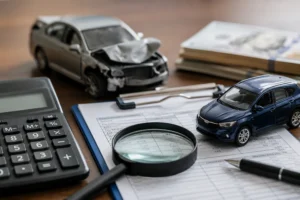
An independent appraisal offers an objective assessment of vehicle damage.
Rather than relying solely on the insurer’s estimate, vehicle owners can obtain a professional review that focuses on repair requirements and valuation accuracy.
Identifying Missing Repair Items
An experienced appraiser can compare:
- Insurance estimates
- Repair facility estimates
- Manufacturer repair procedures
- Industry-standard repair databases
This review often reveals missing operations or overlooked costs.
Supporting Documentation
Strong evidence matters.
Independent appraisals may include:
- Damage photographs
- Repair analysis
- Market data
- OEM repair documentation
- Cost comparisons
The stronger the documentation, the stronger the claim.
The Difference Between a Supplement Claim and an Insurance Appraisal
Many people confuse these two processes.
They are related but very different.
Supplemental Claim Process
A supplemental claim addresses newly discovered damage or repair costs.
The repair facility typically submits the request while repairs are underway.
The focus is repair-related expenses.
Insurance Appraisal Process
The appraisal process usually applies when the vehicle owner and insurance company disagree about the amount of loss.
In those situations, understanding the insurance appraisal process can help policyholders pursue a fair resolution without immediately escalating the dispute through litigation.
The appraisal clause found in many insurance policies provides a formal mechanism for resolving valuation disagreements.
When Each Option Makes Sense
Use a supplemental claim when:
- Hidden damage is discovered
- Additional repair operations are required
- New parts become necessary
Consider an appraisal when:
- The insurer refuses reasonable repair costs
- A valuation dispute exists
- Negotiations have stalled
Understanding the distinction can save time and frustration.
How AutoAdjusting Helps Vehicle Owners
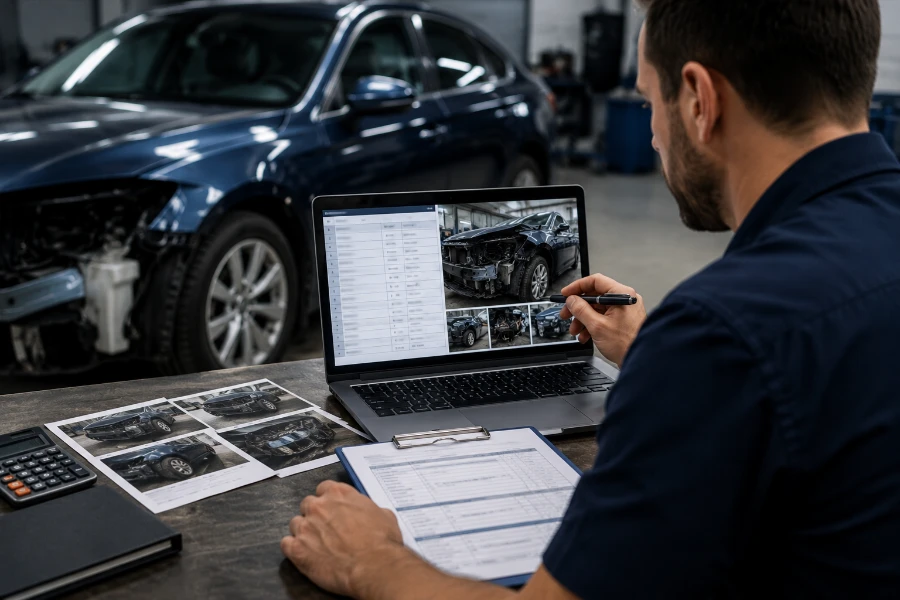
Insurance estimates are not always complete.
That is where AutoAdjusting comes in.
Reviewing Insurance Estimates
A detailed estimate review can identify:
- Missing operations
- Underestimated labor
- Denied procedures
- Overlooked repairs
These issues often affect the outcome of a supplement auto insurance claim.
Identifying Hidden Damage Costs
Collision repairs have become increasingly technical.
AutoAdjusting reviews repair documentation and supporting evidence to help determine whether all necessary costs have been included.
Independent Auto Appraisal Services
An independent auto insurance appraisal can provide an objective evaluation when repair costs or claim values are disputed.
This additional layer of analysis often strengthens negotiations.
Supporting Insurance Negotiations
Documentation matters.
AutoAdjusting helps vehicle owners present clear evidence that supports legitimate repair expenses and supplemental claim requests.
Helping Owners Pursue Fair Outcomes
The goal is simple.
Vehicle owners deserve settlements that accurately reflect the cost of restoring their vehicles. Independent appraisal services can help bridge the gap when disputes arise.
Tips for Maximizing a Supplement Auto Insurance Claim
A proactive approach can improve claim outcomes.
Choose a Qualified Repair Facility
Experienced collision repair facilities understand the supplement process.
They know how to document damage, support repair requirements, and communicate effectively with insurers.
Request Detailed Documentation
Always ask for:
- Itemized estimates
- Damage photos
- Repair procedures
- Supplement submissions
Documentation protects your interests.
Keep Every Record
Save:
- Emails
- Estimates
- Repair invoices
- Insurance correspondence
- Approval notices
Small details often become important later.
Ask Questions About Denials
Do not assume a denied item is automatically correct.
Ask why it was denied and request supporting documentation.
Obtain an Independent Review
When significant disagreements arise, an independent appraisal may provide valuable leverage and clarity.
Common Mistakes That Can Hurt a Supplemental Claim
Some mistakes can reduce settlement amounts or create unnecessary delays.
Accepting the First Decision
The first answer is not always the final answer.
Supplemental claims frequently involve negotiations and additional documentation.
Failing to Review Estimates
Many vehicle owners never examine repair estimates.
That can lead to overlooked omissions and missed opportunities for additional compensation.
Ignoring Manufacturer Requirements
Manufacturer repair procedures exist for a reason.
Ignoring them can affect repair quality and vehicle safety.
Waiting Too Long
Delays make claims harder to support.
Address disputes promptly while documentation remains readily available.
Not Understanding Your Rights
Insurance policies often provide options when disagreements arise.
Understanding those options can significantly affect claim outcomes.
Final Thoughts
A supplement auto insurance claim is a normal part of today’s collision repair process. Modern vehicles contain sophisticated technology, complex safety systems, and hidden components that cannot always be evaluated during an initial inspection.
That means the first estimate is rarely the final word.
When additional damage appears, vehicle owners should not assume they must absorb the difference themselves. Instead, they should carefully review repair documentation, ask questions about denied items, and ensure all required procedures are included in the claim.
The most successful supplement auto insurance claim outcomes are built on strong evidence, thorough documentation, and a clear understanding of the repair process.
When disputes arise, independent auto appraisals can provide valuable support. By identifying overlooked repair costs, reviewing estimates, and documenting vehicle damage, appraisal professionals help vehicle owners pursue fair and accurate settlements.
For drivers facing claim disagreements, hidden damage discoveries, or underpaid repair estimates, taking a proactive approach can make all the difference. A properly documented supplement auto insurance claim can help ensure the vehicle is repaired correctly and that the settlement reflects the true cost of restoring it to pre-loss condition.
FAQs
A supplement auto insurance claim is a request for additional payment when hidden damage or extra repair costs are discovered after the initial estimate.
In most cases, the collision repair shop submits the supplemental claim to the insurance company on behalf of the vehicle owner.
Many vehicle components are hidden behind panels and cannot be fully inspected until repairs begin.
Yes, an insurer can deny some or all of a supplemental claim if it believes the additional costs are unsupported or unrelated to the accident.
Some supplemental claims are approved within hours, while others can take several days depending on the complexity of the repairs.
A supplemental claim itself typically does not affect premiums since it is part of an existing accident claim.
Review the estimate carefully, gather supporting documentation, and consider obtaining an independent auto appraisal if disagreements continue.
Yes, certain structural, mechanical, or electronic issues may not become apparent until repairs are underway.
They can be included when repairs require recalibration of cameras, sensors, radar systems, or other safety technologies.
An independent appraisal can identify overlooked repair costs, review estimates for accuracy, and provide evidence to support a fair settlement.