
Getting told your car is a total loss can feel overwhelming fast. One minute you are dealing with accident photos and repair shops. The next, the insurance company sends a settlement number that seems far lower than what it would actually cost to replace your vehicle. That is where many Texas drivers suddenly find themselves trying to understand how to dispute total loss valuation Texas claims without getting buried in paperwork or pressure.
And honestly? The frustration is real.
You may have maintained your vehicle carefully for years. Maybe you upgraded the wheels, replaced the transmission recently, or kept every service receipt in a folder. Then the insurance valuation arrives and treats your vehicle like an average commuter car with heavy wear. It happens more often than people think.
The good news is this: a total loss valuation is not always final.
Drivers across Texas successfully challenge undervalued settlements every day. But the process works best when you understand how valuations are created, where mistakes happen, and what evidence actually moves negotiations forward.
What Does “Total Loss” Mean in Texas?
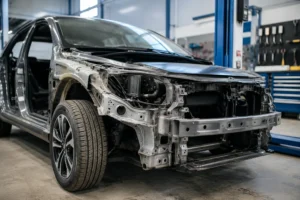
A total loss occurs when the insurance company decides repairing the vehicle no longer makes financial sense compared to the car’s market value.
In Texas, insurers generally compare two numbers:
- Cost of repairs
- Actual Cash Value (ACV) of the vehicle
If repairs approach or exceed the vehicle’s value, the insurer may declare it totaled.
That sounds simple. But this is where disputes begin.
Because the real fight is usually not about whether the vehicle is repairable. It is about how much the vehicle was worth before the accident happened.
Common Situations That Lead to Total Loss Claims
Several types of damage commonly trigger total loss declarations in Texas:
| Damage Type | Why It Often Leads to Total Loss |
| Major collision damage | Structural repairs become expensive |
| Hail damage | Extensive panel replacement costs |
| Flood damage | Electrical systems become compromised |
| Theft recovery | Missing parts and hidden damage |
| Fire damage | Interior and wiring destruction |
Texas weather alone creates thousands of disputed total loss claims every year. Hailstorms especially create major valuation disagreements because truck and SUV prices in Texas can fluctuate heavily depending on local demand.
How Insurance Companies Calculate Vehicle Value
This part matters enormously.
When handling a dispute total loss valuation Texas claim, you must first understand how insurers calculate value in the first place.
Most carriers do not simply “guess” your vehicle’s worth. Instead, they rely on third-party valuation systems and market comparison software.
Common companies include:
- CCC Intelligent Solutions
- Mitchell
- Audatex
These systems analyze comparable vehicles and generate a valuation report.
Most insurance valuation systems rely heavily on large-scale market data aggregation and statistical modeling, similar to concepts used in Bayesian inference when analyzing pricing probabilities and comparable vehicle trends.
But here is the catch.
The report is only as accurate as the information entered into it.
Factors That Affect Total Loss Valuation
Insurance companies commonly evaluate:
- Vehicle year
- Make and model
- Mileage
- Trim package
- Vehicle condition
- Prior damage
- Optional equipment
- Local market sales data
Even small errors can reduce settlement value significantly.
For example, incorrect trim packages alone can swing values by thousands of dollars on trucks, luxury SUVs, and performance vehicles.
I have seen valuation reports list basic trims instead of premium packages. Heated seats missing. Navigation omitted. Tow packages ignored. Those details matter.
A lot.
Why Drivers Dispute Total Loss Valuation Texas Claims
Many settlement disputes start with one simple realization:
“You cannot buy the same vehicle for the amount they offered.”
That is the moment policyholders start digging deeper into the valuation report.
For drivers dealing with complex valuation disagreements, learning more about insurance total loss appraisal services can help clarify how independent appraisals may strengthen negotiations.
Common Problems Found in Valuation Reports
Some issues appear repeatedly:
| Common Valuation Error | Potential Impact |
| Incorrect mileage | Lower market value |
| Wrong trim package | Missing feature adjustments |
| Poor condition rating | Reduced settlement |
| Outdated comparable vehicles | Unrealistic pricing |
| Vehicles from distant markets | Bad regional comparisons |
Texas drivers often face another challenge too.
Vehicle demand varies heavily by region.
A lifted truck in Dallas may command far more than a comparable vehicle from another market. Yet insurers sometimes use distant comparable sales that fail to reflect local replacement costs.
That creates immediate frustration during dispute total loss valuation Texas negotiations.
Signs Your Settlement Offer May Be Too Low

Not every settlement is unfair. Some are accurate.
But several warning signs suggest your valuation deserves closer review.
Red Flags to Watch Carefully
Comparable Vehicles Are Not Truly Comparable
This happens constantly.
The insurer may compare your fully loaded truck to a base model with fewer options and higher mileage.
That is not an apples-to-apples comparison.
Local Dealer Prices Are Much Higher
Search local dealerships immediately after receiving the offer.
If similar vehicles consistently sell for much more, your valuation may be too low.
Vehicle Features Are Missing
Check the report line by line.
Missing items may include:
- Premium audio systems
- Leather interiors
- Tow packages
- Lift kits
- Technology packages
- Performance upgrades
Condition Ratings Feel Unfair
Insurance valuation systems often use subjective condition scores.
A vehicle maintained meticulously may still receive “average” condition ratings that reduce payout value.
Texas Laws and Insurance Rules Matter
Texas has insurance regulations requiring fair claim handling practices.
That does not guarantee every valuation will feel fair. But it does provide policyholders with certain protections.
Insurance companies generally must:
- Conduct reasonable investigations
- Explain settlement calculations
- Communicate claim decisions promptly
- Avoid misleading valuation practices
Drivers can also review consumer protection guidance and claim rights through the Texas Department of Insurance when navigating a dispute total loss valuation Texas claim.
This becomes important when disputing a settlement.
Professional documentation matters far more than emotional arguments.
That is critical to understand.
Understanding the Appraisal Clause
Many Texas auto policies contain something called an appraisal clause.
This can become extremely important during a dispute total loss valuation Texas claim.
Drivers researching auto appraisal clause disputes often discover that appraisal can provide an alternative path when negotiations over vehicle value stall completely.
What Is an Appraisal Clause?
An appraisal clause allows both parties to hire independent appraisers when disagreements exist over vehicle value.
The process usually works like this:
| Step | Description |
| Policyholder hires appraiser | Represents owner’s valuation |
| Insurance company hires appraiser | Represents insurer’s valuation |
| Appraisers negotiate | Attempt to reach agreement |
| Umpire may become involved | If disagreement continues |
This process is often faster and less expensive than litigation.
And in many cases, it produces significantly improved settlements.
How to Dispute a Total Loss Valuation in Texas
Now we get into the practical side.
Because strategy matters here.
The strongest disputes are organized, evidence-driven, and professional.
Review the Valuation Report Carefully
Start with the insurer’s report itself.
Go line by line.
Look for:
- Mileage errors
- Missing features
- Incorrect trim levels
- Poor comparable selections
- Condition discrepancies
You would be surprised how often basic mistakes appear.
Even one incorrect field can materially affect value.
Gather Strong Supporting Evidence
Evidence changes conversations.
The more organized your documentation becomes, the stronger your negotiating position usually gets.
Helpful evidence includes:
- Dealer listings
- Comparable sales
- Maintenance records
- Upgrade receipts
- Tire replacement invoices
- Service history
- Pre-accident photographs
Photos matter especially.
Clean interior photos, exterior shots, and maintenance documentation help establish vehicle condition before the loss occurred.
Focus on Market Replacement Cost
One mistake drivers make is arguing emotionally.
Avoid that.
Instead, focus on one simple question:
“What would it realistically cost to replace this vehicle locally?”
That framing keeps discussions professional and evidence-based.
Why Independent Auto Appraisers Can Help
This is where independent appraisers often become valuable.
Particularly for higher-value vehicles.
Independent appraisers evaluate:
- Market conditions
- Comparable sales
- Vehicle options
- Condition evidence
- Regional pricing trends
They may also identify errors overlooked in the insurer’s valuation.
Situations Where Independent Appraisal Becomes Especially Important
Certain vehicles create more valuation disputes than others:
| Vehicle Type | Why Disputes Increase |
| Lifted trucks | Modification value disagreements |
| Luxury vehicles | Feature adjustments matter heavily |
| Performance cars | Market scarcity affects pricing |
| Classic vehicles | Specialized valuation needed |
| Customized vehicles | Aftermarket additions complicate value |
Texas truck owners especially encounter valuation challenges because aftermarket modifications often complicate pricing.
Common Mistakes That Hurt Total Loss Disputes
Some drivers accidentally weaken otherwise strong claims.
Avoid these mistakes.
Accepting the First Offer Too Quickly
Initial offers are not always final.
Once you accept and sign documents, reopening negotiations becomes much harder.
Throwing Away Documentation
Keep everything.
Every receipt helps build credibility.
Using Emotional Arguments Instead of Evidence
Frustration is understandable.
But negotiations improve when discussions stay focused on data and comparable market pricing.
Missing Deadlines
Some policies contain time-sensitive requirements for appraisal requests or dispute procedures.
Delays can create problems.
Can You Actually Negotiate a Higher Settlement?
Absolutely.
Many dispute total loss valuation Texas claims result in improved settlements after additional evidence is presented.
But expectations matter too.
Not every case results in huge increases.
Sometimes the adjustment is modest. Sometimes substantial.
The key is whether the evidence supports a higher market value.
What Usually Improves Settlement Outcomes?
The strongest negotiation tools include:
- Strong comparable vehicle listings
- Accurate trim verification
- Maintenance history
- Independent appraisals
- Detailed condition evidence
- Organized documentation
Professional presentation matters too.
A clean, organized package of evidence creates credibility quickly.
What If the Insurance Company Refuses to Increase the Offer?
Sometimes negotiations stall.
That does happen.
When it does, drivers still have options.
Escalate the Review
You can request:
- Supervisor review
- Reinspection
- Revised valuation analysis
- Additional comparable consideration
Sometimes a second review changes everything.
Invoke the Appraisal Clause
This is often the next major step in serious dispute total loss valuation Texas cases.
Formal appraisal can shift the discussion away from generic call-center negotiations and toward evidence-based valuation analysis.
File Regulatory Complaints If Necessary
In some situations, policyholders may file complaints with the Texas Department of Insurance if claim handling concerns arise.
That should not be the first move.
But it may become appropriate when communication problems or unfair practices appear.
Why Texas Drivers See More Valuation Disputes Today

Vehicle markets have changed dramatically in recent years.
That affects total loss claims directly.
Several Factors Are Driving More Disputes
Used Vehicle Prices Increased Rapidly
Market volatility changed replacement costs quickly.
Some valuation systems struggle to keep up.
Truck and SUV Demand Remains High
Texas has strong demand for pickups and larger vehicles.
Local replacement pricing often exceeds national averages.
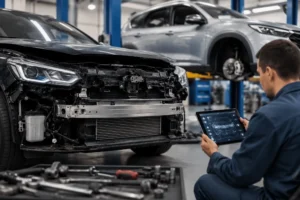
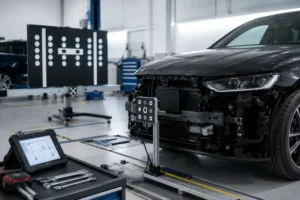
Repair Costs Keep Rising
Modern vehicles contain expensive technology:
- Sensors
- Cameras
- Calibration systems
- Advanced safety equipment
Even moderate accidents now create major repair costs.
That pushes more vehicles into total loss territory.
How to Protect Yourself Before an Accident Happens
Smart preparation helps enormously later.
Even before a claim occurs.
Keep Maintenance Records Organized
Store:
- Oil change receipts
- Tire purchases
- Major repair invoices
- Service records
These documents help establish condition.
Take Updated Photos Periodically
This takes five minutes and can save major headaches later.
Photograph:
- Interior condition
- Exterior panels
- Odometer
- Wheels and tires
- Upgrades
Understand Your Insurance Policy
Most people never read their appraisal clause until after a dispute starts.
That is backwards.
Understanding your options beforehand creates leverage later.
Final Thoughts
A dispute total loss valuation Texas claim can feel stressful at first. Especially when the settlement offer does not come close to replacing your vehicle.
But remember this.
Insurance valuations are not untouchable.
They are built from data, assumptions, condition ratings, and comparable market analysis. And sometimes those inputs are wrong.
That is why documentation matters so much.
Strong evidence changes negotiations. Organized records create leverage. Independent appraisals can uncover missed value. And calm, professional communication often produces better outcomes than anger ever will.
The drivers who succeed during total loss disputes usually do one thing extremely well:
They stay organized.
They review every detail carefully, they challenge inaccurate comparables and they document vehicle condition thoroughly. And they focus relentlessly on real market replacement value.
That approach works.
Especially in Texas, where vehicle pricing moves fast and total loss valuation disagreements continue growing every year.
FAQs
Yes. Texas drivers can challenge a settlement offer if they believe the insurer undervalued the vehicle.
Comparable local vehicle listings, maintenance records, upgrade receipts, and pre-accident photos are often the strongest supporting evidence.
Some disputes resolve within days, while more complex appraisal disputes may take several weeks depending on negotiations.
In many cases, yes. Independent appraisers can identify valuation errors and provide evidence-based market analysis.
The appraisal clause allows both parties to hire independent appraisers to resolve disagreements about vehicle value.
They can maintain their position, but policyholders may still escalate the dispute through appraisal or regulatory complaint processes.
They can be, but only if properly documented with receipts, photos, or installation records.
Once you accept and sign the release documents, reopening the valuation dispute becomes much more difficult.
They should consider local market data, but some reports use distant comparable vehicles that may not reflect Texas pricing accurately.
Not always. Many dispute total loss valuation Texas claims result in revised settlements after additional documentation is submitted.