Modern vehicle repair costs have risen dramatically over the past decade. What used to be a straightforward repair after a minor collision can now become a surprisingly expensive process involving advanced electronics, specialized labor, software diagnostics, and manufacturer-required calibrations.
Many vehicle owners discover this reality only after an accident. A seemingly minor impact that leaves little visible damage can generate repair estimates totaling thousands of dollars. The reason is simple: today’s vehicles are packed with technology.
Cars are safer than ever. They are smarter, more connected, and equipped with systems designed to help drivers avoid accidents altogether. However, all of those innovations come with a price. When damage occurs, repairs often involve far more than replacing a damaged panel or repainting a bumper.
Understanding modern vehicle repair costs has become increasingly important for vehicle owners, insurance policyholders, collision repair facilities, and anyone involved in an auto damage claim. The more informed you are, the better prepared you’ll be when evaluating repair estimates, insurance settlements, and vehicle valuations.
The Evolution of Vehicle Repair Costs
Twenty years ago, most vehicles were relatively simple compared to today’s standards.
A damaged bumper often required little more than replacing plastic components, performing minor paint work, and reinstalling parts. Repairs were generally mechanical in nature, and electronic systems played a limited role.
That landscape has changed completely.
Modern vehicles contain dozens of interconnected systems that communicate continuously. Cameras monitor road conditions. Radar sensors track surrounding traffic. Computers control everything from braking systems to headlights.
As vehicles became more sophisticated, repairs became more complex.
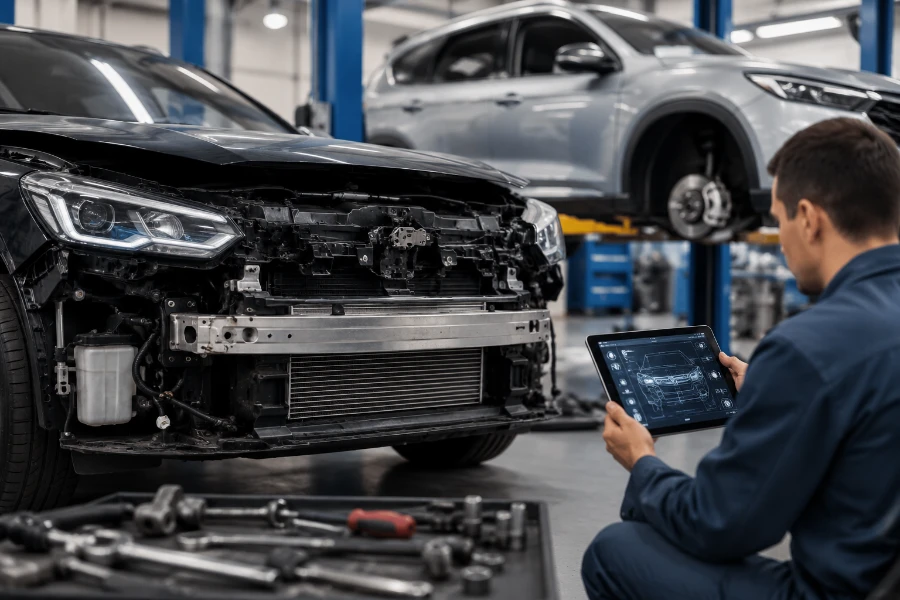
What appears to be a simple repair on the surface often involves multiple procedures occurring behind the scenes.
For example, replacing a front bumper on a late-model vehicle may require:
- Radar sensor inspections
- Camera calibration
- Diagnostic scanning
- Software verification
- Sensor mounting measurements
- Test driving procedures
The physical repair may represent only a portion of the total cost.
Why Modern Vehicle Repair Costs Continue to Rise
Several factors contribute to rising repair expenses, but technology remains the largest driver.
Advanced Driver Assistance Systems (ADAS)
One of the most significant changes affecting modern vehicle repair costs is the widespread adoption of Advanced Driver Assistance Systems, commonly referred to as ADAS.
Many of today’s safety technologies fall under the category of advanced driver assistance systems, which rely on cameras, sensors, radar units, and software to support safer vehicle operation.
These systems include:
- Forward collision warning
- Automatic emergency braking
- Adaptive cruise control
- Blind spot monitoring
- Lane departure warning
- Parking assistance systems
These technologies help improve vehicle safety. They also increase repair complexity.
Many ADAS components rely on cameras, radar units, sensors, and computer modules mounted throughout the vehicle. Even minor impacts can affect these systems.
When repairs are performed, manufacturers often require calibrations to ensure the systems function properly.
Calibration Procedures Add Significant Costs
Calibration has become one of the most frequently overlooked repair expenses.
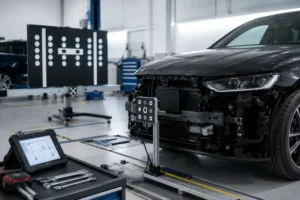
After certain repairs, sensors and cameras must be adjusted according to manufacturer specifications. This process helps ensure safety systems operate correctly.
Two primary types of calibrations exist:
Static Calibration
Performed inside a controlled environment using targets, measurement tools, and specialized equipment.
Dynamic Calibration
Performed while driving the vehicle under specific conditions.
Both procedures require skilled technicians and expensive equipment.
Many insurance estimates initially omit these procedures, creating disputes later in the repair process.
Electronics Are Everywhere
Today’s vehicles contain electronics in places many owners never expect.
Modern vehicles may include:
- Touchscreen displays
- Electronic steering systems
- Power liftgates
- Digital instrument clusters
- Smart headlights
- Occupant monitoring systems
Damage to any of these components can significantly increase repair costs.
In many cases, the replacement part itself is only a fraction of the total expense. Programming, configuration, and testing often add additional labor charges.
Small Accidents Now Generate Large Repair Bills
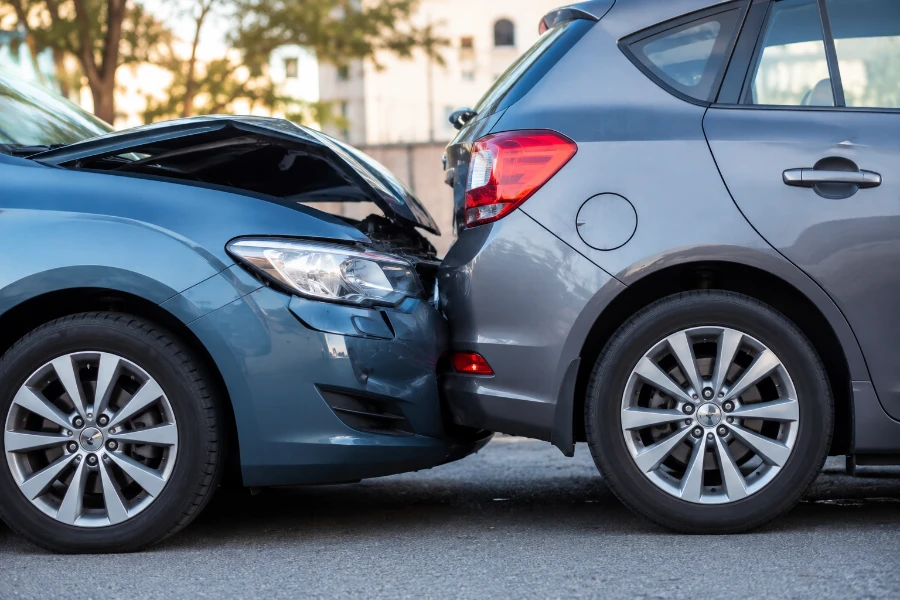
One of the biggest surprises for vehicle owners involves low-speed collisions.
The damage may appear minor.
The repair bill often does not.
The Hidden Cost of Modern Bumpers
Years ago, bumpers primarily served as impact-absorbing components.
Today, bumpers often contain:
- Parking sensors
- Radar units
- Wiring harnesses
- Cameras
- Mounting brackets
- Impact sensors
Even if the bumper cover appears repairable, the components behind it may require inspection or replacement.
This dramatically affects modern vehicle repair costs.
Fender Benders Are No Longer Simple
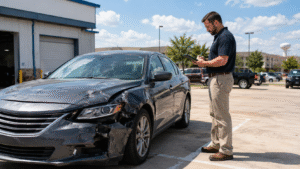
A minor parking lot accident can trigger a surprisingly extensive repair process.
Consider a front-end impact involving a newer vehicle.
The repair may require:
- Bumper replacement
- Radar sensor inspection
- ADAS calibration
- Diagnostic scanning
- Alignment verification
- Paint refinishing
The visible damage may look insignificant.
The repair procedures tell a different story.
Cosmetic Damage Often Isn’t Cosmetic
Many vehicle owners focus on what they can see.
Repair professionals must also evaluate what they cannot see.
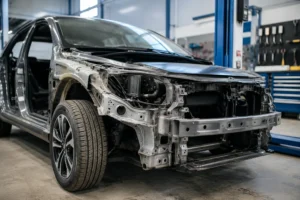
Hidden damage frequently includes:
- Impact absorbers
- Sensor brackets
- Mounting tabs
- Structural reinforcements
- Wiring components
These hidden items often become apparent only after the repair facility begins disassembly.
This explains why supplements are so common during collision repairs.
Vehicle Materials Are More Expensive to Repair
Technology isn’t the only factor driving modern vehicle repair costs.
Vehicle construction materials have changed significantly.
Aluminum Components
Manufacturers increasingly use aluminum to reduce weight and improve fuel efficiency.
Aluminum offers several advantages:
- Reduced vehicle weight
- Improved efficiency
- Corrosion resistance
However, aluminum repairs often require:
- Dedicated repair areas
- Specialized tools
- Trained technicians
Not every repair facility is equipped to handle aluminum repairs properly.
High-Strength Steel
Modern vehicles frequently utilize advanced high-strength steel throughout critical structural areas.
These materials improve crash performance.
They also create repair challenges.
In many situations, damaged high-strength steel components cannot be repaired using traditional methods.
Replacement may become the only manufacturer-approved option.
That increases labor and parts costs.
Carbon Fiber and Composite Materials
Luxury vehicles and high-performance models increasingly incorporate carbon fiber and composite materials.
These materials deliver impressive strength while remaining lightweight.
The downside?
Repairs can be extremely expensive.
Specialized procedures, limited repair options, and high replacement costs contribute significantly to overall repair expenses.
Modern vehicle manufacturers increasingly utilize advanced materials engineered for specific performance characteristics. In some cases, material behavior can vary depending on direction, a concept known as anisotropy, which can influence repair procedures and replacement decisions for certain structural components.
Electric Vehicles Are Changing Repair Economics
Electric vehicles have introduced an entirely new layer of repair complexity.
While EV ownership continues to grow, many consumers remain unaware of how these vehicles affect repair costs.
Battery Systems Require Additional Safety Procedures
Following a collision, technicians often must inspect battery systems for potential damage.
These inspections are critical.
Even relatively minor impacts may require additional diagnostic procedures to verify battery integrity.
Safety comes first.
That means more labor hours and more specialized expertise.
Specialized Technician Training
Electric vehicles require unique knowledge and certifications.
Repair facilities frequently invest substantial resources into technician education.
These costs eventually become part of the overall repair ecosystem.
Qualified EV technicians remain in high demand.
As demand increases, labor rates often follow.
Why EV Repairs Often Cost More
Several factors contribute to higher repair expenses for electric vehicles:
| Repair Factor | Impact on Cost |
| Battery inspections | Higher labor |
| Specialized equipment | Increased overhead |
| Limited parts availability | Longer repair times |
| Manufacturer procedures | Additional labor |
| Certified technician requirements | Higher labor rates |
While EVs offer many benefits, they often increase modern vehicle repair costs when collision damage occurs.
Labor Costs Play a Major Role
Parts receive most of the attention.
Labor often represents an equally important factor.
Vehicle repairs today require more expertise than ever before.
Skilled Technicians Are in High Demand
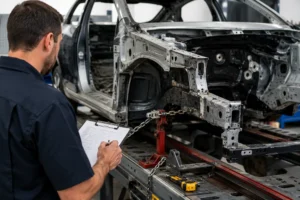
Repairing modern vehicles involves much more than replacing damaged components.
Technicians frequently perform:
- Computer diagnostics
- Electronic troubleshooting
- Sensor calibrations
- Structural repairs
- Software verification
These skills require ongoing training and certification.
The industry continues facing technician shortages, which further influences labor costs.
Modern Repairs Require More Time
A repair that once required several hours may now require significantly more labor.
Why?
Because additional procedures are necessary.
Technicians often perform:
- Pre-repair scans
- Disassembly inspections
- Repair planning
- Calibration procedures
- Post-repair scans
- Quality-control inspections
Every step adds value.
Every step also adds cost.
OEM Repair Procedures Add Labor Hours
Vehicle manufacturers continuously publish detailed repair procedures that collision facilities must follow.
These procedures often require:
- Specific repair methods
- Specialized equipment
- Additional inspections
- Verification processes
Skipping these steps can create safety concerns and liability risks.
As a result, modern vehicle repair costs continue to climb as repair standards become increasingly rigorous.
Parts Prices Continue to Climb
Even before labor is considered, replacement parts have become significantly more expensive.
Today’s vehicles contain sophisticated components that cost far more than the parts used a decade ago.
Supply Chain Challenges
The automotive industry has faced ongoing supply chain disruptions in recent years.
When parts become difficult to obtain, repair timelines increase and costs often follow.
Repair facilities may wait weeks for specialized components.
That delay creates additional expenses for insurers, repair shops, and vehicle owners alike.
OEM vs. Aftermarket Parts
Many claim disputes center around replacement part selection.
| Factor | OEM Parts | Aftermarket Parts |
| Fit | Exact | Varies |
| Warranty | Manufacturer-backed | Varies |
| Material Quality | Consistent | Varies |
| Cost | Higher | Lower |
| Availability | Sometimes Limited | Often Available |
Vehicle owners should carefully review repair estimates to understand what type of parts are being proposed.
Surprisingly Expensive Components
Several vehicle components consistently surprise owners when replacement costs are revealed.
Common examples include:
- LED headlight assemblies
- Adaptive headlights
- Windshield camera systems
- Radar sensors
- Side mirror assemblies
- Digital display panels
A single headlight assembly on some luxury vehicles can cost thousands of dollars before installation.
That’s a far cry from the simple halogen bulbs many drivers remember.
How Modern Vehicle Repair Costs Impact Insurance Claims
Insurance claims have become increasingly complex because repair procedures have become increasingly complex.
Many initial estimates fail to capture the full scope of required repairs.
Insurance Estimates May Miss Critical Items
Commonly overlooked items include:
- ADAS calibrations
- Pre-repair scans
- Post-repair scans
- OEM-required procedures
- Structural measurements
- Sensor inspections
- Wheel alignments
These omissions often lead to supplemental estimates later in the repair process.
Supplements Are Becoming the Norm
A supplement is an additional repair estimate submitted after hidden damage or omitted procedures are discovered.
Supplements are not necessarily signs of poor estimating.
Instead, they often reflect the reality of modern vehicle construction.
Damage hidden behind panels, sensors, and structural components frequently cannot be identified until repairs begin.
As modern vehicle repair costs continue rising, supplements have become increasingly common.
The Gap Between Initial Estimates and Final Costs
Many vehicle owners are shocked when final repair invoices exceed the original estimate.
This occurs because:
- Additional damage is discovered
- Manufacturer procedures are identified
- Calibration requirements emerge
- Parts prices change
- Structural issues become visible
Understanding these factors can help reduce frustration during the repair process.
Why Accurate Auto Appraisals Matter More Than Ever
As repair complexity increases, accurate appraisals become increasingly valuable.
Vehicle owners need reliable information when evaluating repair costs, diminished value claims, and insurance settlements.
Repair Cost Verification
Independent appraisals can help identify:
- Missing repair procedures
- Omitted calibrations
- Incomplete estimates
- Valuation discrepancies
A thorough review often reveals items that may have been overlooked during the initial claim evaluation.
For vehicle owners facing repair disputes, obtaining a professional car appraisal after accident can provide independent documentation that supports negotiations and helps establish an accurate assessment of damages and diminished value.
Disputed Insurance Claims
Not every claim proceeds smoothly.
Disagreements may arise regarding:
- Repair scope
- Repair methodology
- Vehicle value
- Total loss calculations
- Diminished value
Independent appraisals often provide clarity when these disputes occur.
Diminished Value Considerations
Even after quality repairs are completed, a vehicle may lose market value because of its accident history.
This reduction is known as diminished value.
Modern vehicle repair costs can directly influence diminished value discussions because extensive repairs often become part of the vehicle’s permanent history.
Common Vehicle Components That Frequently Increase Repair Costs

Certain components repeatedly appear in high-cost repair estimates.
Advanced Headlight Assemblies
Modern headlights often contain:
- Adaptive lighting systems
- LED technology
- Sensors
- Control modules
Replacement costs can be substantial.
Windshield Camera Systems
Many windshields now serve as mounting points for safety systems.
Replacing the glass often requires recalibration procedures after installation.
Radar Sensors
Radar systems play a critical role in collision avoidance technologies.
Even slight mounting deviations can affect performance.
Blind Spot Monitoring Equipment
Damage involving side mirrors, quarter panels, or rear bumpers may affect blind spot systems.
These repairs often require additional testing and calibration.
Adaptive Cruise Control Components
Modern cruise control systems rely on sophisticated electronic hardware.
Replacement and calibration costs can be significant.
Electric Vehicle Battery Systems
Battery-related inspections frequently increase repair complexity and labor requirements.
Even minor collisions may trigger extensive safety evaluations.
What Vehicle Owners Can Do to Protect Themselves
Repair costs may continue rising, but vehicle owners can take steps to protect themselves.
Request Detailed Repair Estimates
Never rely solely on a summary page.
Review the complete estimate.
Look for:
- Calibration charges
- Diagnostic procedures
- OEM requirements
- Structural inspections
Ask Questions About ADAS Procedures
If your vehicle contains safety technology, ask whether calibrations are required.
Many owners are unaware these procedures exist.
Review Manufacturer Repair Requirements
OEM procedures often influence repair quality and vehicle safety.
Understanding these requirements can help identify omissions.
Document Vehicle Condition
Photographs, repair records, and maintenance history can become valuable during claim disputes.
Documentation helps establish a clear record of the vehicle’s condition.
Understand the Appraisal Process
Before accepting a settlement offer, vehicle owners should familiarize themselves with the car appraisal process. Understanding how appraisers determine value can help identify missing procedures, overlooked damage, and inaccurate valuations.
The Future of Modern Vehicle Repair Costs
The trend is clear.
Vehicles are becoming more sophisticated.
That means repairs are becoming more sophisticated as well.
Several developments will likely influence future repair expenses:
- Increased vehicle connectivity
- Expanded software integration
- Greater reliance on sensors
- Advanced autonomous driving features
- More electric vehicle adoption
Manufacturers continue introducing new technologies designed to improve safety and convenience.
While these innovations benefit drivers, they also contribute to rising repair costs.
Vehicle owners should expect modern vehicle repair costs to remain a significant factor in insurance claims and vehicle ownership decisions over the coming decade.
Conclusion
Modern vehicles are remarkable machines.
They offer levels of safety, performance, efficiency, and convenience that would have seemed impossible just a generation ago.
However, those advancements come with a tradeoff.
Modern vehicle repair costs have increased because vehicles now rely on sophisticated electronics, advanced safety systems, specialized materials, and manufacturer-directed repair procedures. Even minor accidents can involve hidden damage, sensor calibrations, diagnostic scans, and expensive replacement components.
For vehicle owners, understanding these realities is essential. The more informed you are about repair procedures, insurance estimates, and vehicle valuations, the better positioned you’ll be to navigate the claims process successfully.
As vehicles continue evolving, accurate documentation, professional appraisals, and thorough repair evaluations will become even more important. In an environment where technology drives both vehicle performance and repair complexity, knowledge remains one of the most valuable tools a vehicle owner can have.
FAQs
Modern vehicles contain advanced technology, sensors, and safety systems that are more expensive to repair and calibrate.
ADAS stands for Advanced Driver Assistance Systems, including features like lane departure warnings and automatic emergency braking.
Yes. Hidden damage to sensors, cameras, or structural components can significantly increase repair costs.
Additional damage is often discovered after technicians begin disassembling the vehicle.
A calibration adjusts cameras and sensors to ensure safety systems operate properly after repairs.
Often yes, due to specialized parts, technician training, and battery-related inspections.
Diminished value is the loss in a vehicle’s market value after an accident and repair.
OEM parts typically provide the best fit and match manufacturer specifications.
An appraisal can verify repair costs, vehicle value, and support claim disputes.
Request detailed estimates, review repair procedures, and keep thorough documentation.