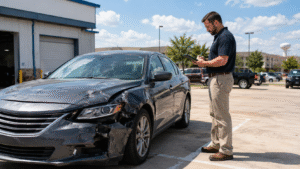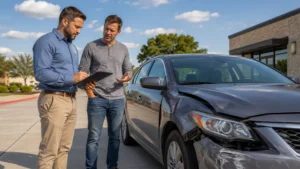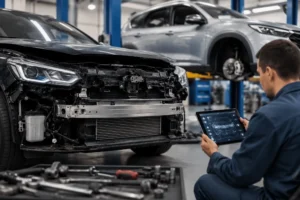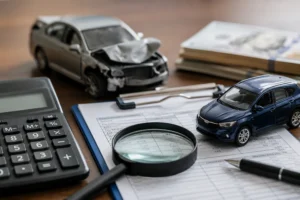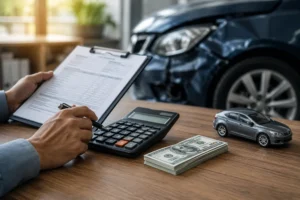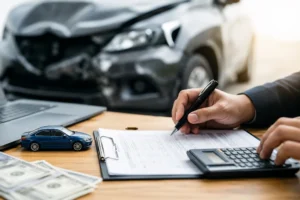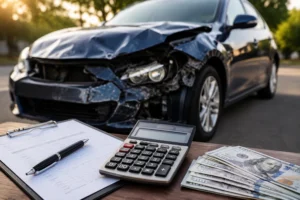
Car accidents happen fast. One moment you’re driving normally, the next you’re standing beside a damaged vehicle wondering what happens next. Repairs. Insurance calls. Estimates. Stress. This is where auto damage appraisal becomes extremely important.
An auto damage appraisal is the professional evaluation of a vehicle after it has been damaged. The goal is simple but critical: determine the true extent of the damage and estimate the cost required to repair it properly. Without a proper appraisal, vehicle owners can easily receive inaccurate repair estimates or settlements that fall short of the real repair costs. I’ve seen this happen more often than people expect. A quick insurance estimate might overlook structural issues or hidden mechanical damage. That’s why a detailed inspection from a qualified professional can make all the difference. It protects the vehicle owner, supports fair claim settlements, and ensures repairs are completed correctly.
Modern vehicle inspections often involve a methodical evaluation process that resembles a technical analysis framework, where professionals carefully assess measurements, repair data, and cost estimates before forming conclusions. In many ways, this structured approach mirrors analytical methods used in scientific disciplines such as spectroscopy, where detailed measurements help experts analyze complex systems. Let’s break down how auto damage appraisal works, why it matters, and how drivers can use it to protect their vehicle investment.
What Is an Auto Damage Appraisal?
At its core, an auto damage appraisal is a professional inspection that evaluates the condition of a vehicle after it has been involved in an accident, collision, or other damaging event. The appraiser documents the damage and calculates the cost required to restore the vehicle to its pre-accident condition. But it goes deeper than just a quick look at dents and scratches.
A thorough appraisal analyzes multiple aspects of the vehicle:
- Exterior damage
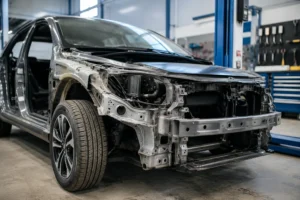
- Structural damage
- Mechanical issues
- Hidden internal problems
- Safety system impacts
The end result is a detailed appraisal report that outlines the damage and estimated repair cost. This report becomes extremely valuable during insurance claims or repair negotiations.
Who Performs Auto Damage Appraisals?
Several professionals can perform vehicle damage inspections, but their roles may differ depending on the situation. Common professionals involved include:
Independent Auto Appraisers
These professionals work independently and represent the vehicle owner or a third party.
Insurance Company Appraisers
Insurance companies send their own appraisers to evaluate damage and determine claim payouts.
Collision Repair Specialists
Some body shops perform damage assessments before beginning repairs.
Third-Party Appraisal Firms
Specialized companies that focus entirely on vehicle inspection and damage documentation.
Each type of professional brings experience, but independent appraisers are often requested when vehicle owners want an unbiased assessment.
Types of Damage Evaluated in an Auto Damage Appraisal
A vehicle accident can affect far more than just the visible exterior. A professional auto damage appraisal identifies both obvious and hidden damage. Here are the most common categories examined during an appraisal.
Cosmetic Damage
This includes visible issues such as:
- Scratches
- Dents
- Paint damage
- Broken trim or lights
Cosmetic damage is usually the easiest to identify, but it still requires accurate repair estimates.
Structural Damage
Structural damage affects the vehicle’s frame or internal structure.
Examples include:
- Bent frame rails
- Misaligned chassis components
- Impact damage affecting structural supports
Structural problems can affect safety and long-term vehicle performance.
Mechanical Damage
Accidents often damage mechanical systems such as:
- Suspension components
- Steering systems
- Engine mounts
- Drivetrain parts
These problems may not be visible without a detailed inspection.
Hidden Damage
Hidden damage is one of the biggest concerns after an accident.
Internal issues may include:
- Sensor damage
- Electrical system faults
- Internal frame stress
- Cooling system damage
A proper appraisal helps uncover these problems before repairs begin.
When You Need an Auto Damage Appraisal
Many drivers assume insurance companies handle everything automatically. Sometimes they do. But there are situations where requesting an independent auto damage appraisal becomes extremely important.
After a Car Accident
The most common reason for an appraisal is a collision.
The appraisal helps determine:
- The repair cost
- The severity of damage
- Whether the vehicle is repairable
Without this information, insurance claims can be incomplete or inaccurate.
Insurance Claim Disputes
Sometimes the insurance estimate feels too low. This happens more often than many drivers realize. An independent auto damage appraisal can provide a second opinion and help resolve disputes by presenting professional documentation.
Total Loss Determinations
If the repair cost exceeds the vehicle’s value, the insurance company may declare the vehicle a total loss. A professional appraisal helps determine whether the vehicle truly meets that threshold.
Pre-Repair Evaluation
Before repairs begin, a full inspection helps ensure nothing is missed. Starting repairs without a thorough appraisal can lead to unexpected costs later.
Diminished Value Claims
Even after repairs, a vehicle may lose market value because it was involved in an accident. An appraisal helps calculate that loss, which can be used in diminished value claims.
The Auto Damage Appraisal Process
The auto damage appraisal process follows a structured inspection procedure. Each step ensures the final estimate accurately reflects the vehicle’s condition.
Step 1: Initial Vehicle Inspection
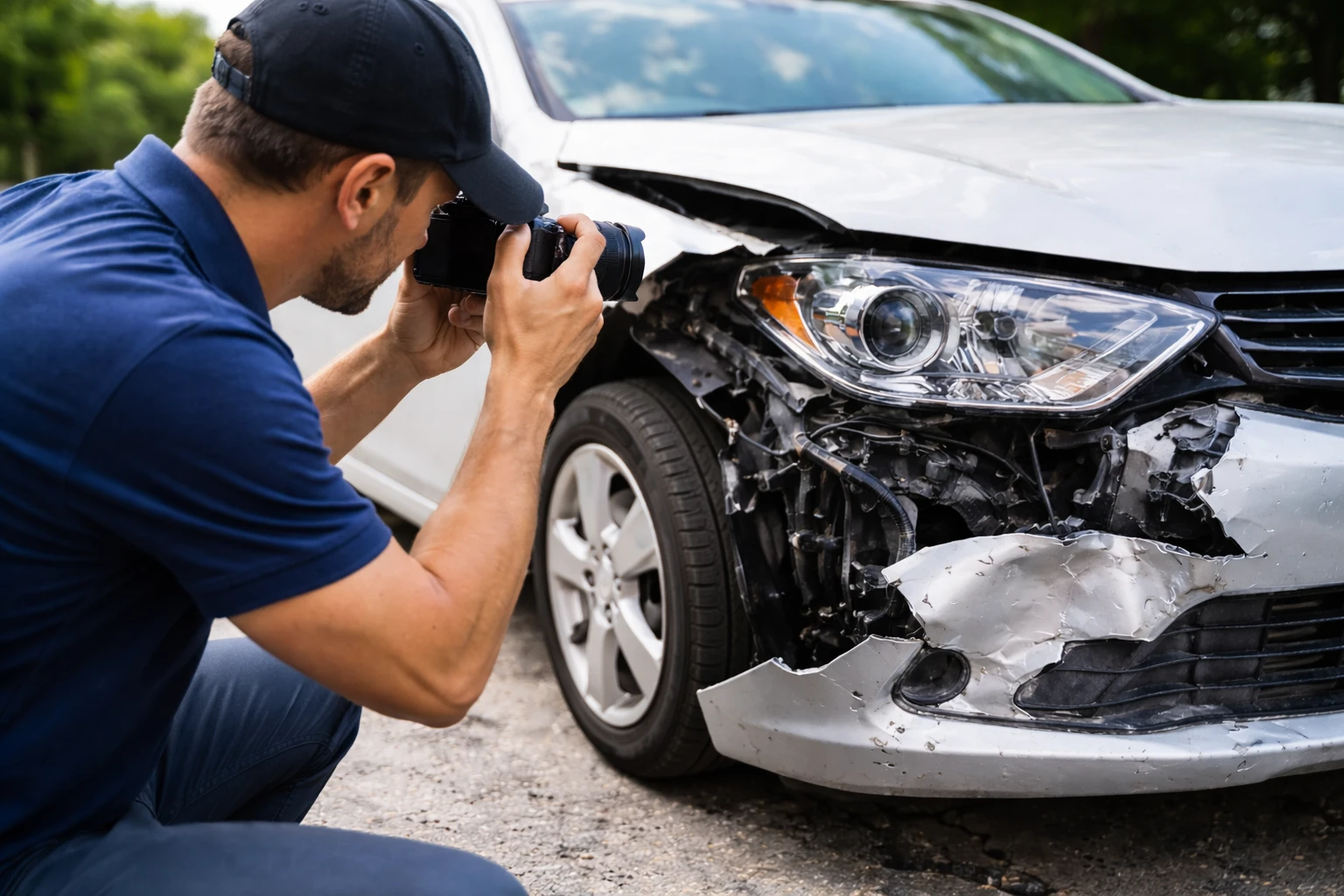
The appraiser begins with a visual inspection.
They evaluate:
- Exterior body panels
- Glass and lighting components
- Visible structural issues
- Safety equipment
Photos are usually taken from multiple angles.
Step 2: Damage Documentation
Every damaged area is recorded in detail.
Documentation may include:
- High-resolution photographs
- Written inspection notes
- Panel damage mapping
- Vehicle identification data
Accurate documentation ensures transparency.
Step 3: Diagnostic Evaluation
Modern vehicles contain dozens of electronic systems.
Diagnostic scans may be performed to check:
- Airbag systems
- Sensors
- Electronic control modules
- Safety features
These systems often require recalibration after an accident.
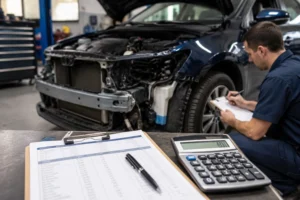
Step 4: Repair Cost Estimation
Next comes the repair estimate.
The appraiser calculates:
- Replacement parts
- Labor hours
- Paint and materials
- Calibration costs
Industry estimating software is typically used to determine accurate pricing.
Step 5: Final Appraisal Report
Once the inspection is complete, the appraiser produces a final report.
This report includes:
- Damage summary
- Photographic documentation
- Detailed repair estimate
- Vehicle condition analysis
The report becomes a key document during insurance negotiations or repair planning.
Tools and Technology Used in Auto Damage Appraisal
Modern vehicles are complex machines. Appraisers now rely on advanced tools to perform accurate inspections.
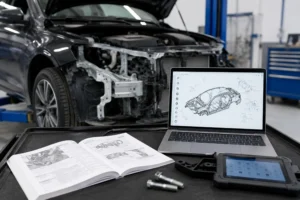
Digital Estimating Software
Specialized software calculates repair costs using industry repair data.
These systems consider:
- Labor time standards
- Parts pricing databases
- Manufacturer repair procedures
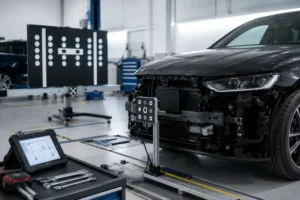
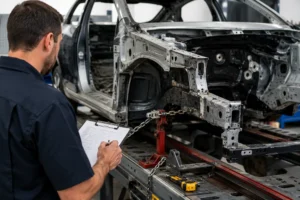
Frame Measurement Systems
These tools measure structural alignment.
They detect:
- Frame distortion
- Structural misalignment
- Impact shifts
Frame accuracy is critical for vehicle safety.
Paint Thickness Gauges
Paint gauges measure coating thickness.
This helps identify:
- Prior repairs
- Repainted panels
- Hidden bodywork
Diagnostic Scanners
Electronic diagnostic tools check vehicle computer systems.
These scans can reveal sensor errors or damaged safety features that require recalibration.
Factors That Affect Auto Damage Appraisal Results
Several variables influence the final outcome of a vehicle damage inspection.
The most important factors include:
| Factor | Impact on Appraisal |
| Vehicle Age | Older vehicles may have lower repair thresholds |
| Extent of Damage | Severe structural damage increases repair cost |
| Parts Availability | Rare parts may increase repair estimates |
| Labor Rates | Regional repair costs affect the estimate |
| Vehicle Market Value | Determines total loss calculations |
Understanding these factors helps vehicle owners better interpret appraisal results.
Auto Damage Appraisal vs Insurance Adjuster Inspection
Many drivers confuse these two roles.
They are similar but serve different purposes.
| Auto Damage Appraiser | Insurance Adjuster |
| May work independently | Works for the insurance company |
| Focuses on accurate repair assessment | Focuses on claim settlement |
| Represents vehicle condition | Represents insurer interests |
| Can provide second opinions | Determines payout decisions |
In many cases, an independent appraisal helps ensure the vehicle owner receives a fair evaluation.
Common Types of Vehicle Damage Evaluated
Different types of incidents cause different damage patterns.
Appraisers often evaluate the following situations.
Collision Damage
The most common scenario.
Includes front-end, rear-end, and side-impact collisions.
Frame Damage
Frame damage affects the structural backbone of the vehicle.
Repairing frame issues requires specialized equipment.
Water Damage
Flooded vehicles may suffer from:
- Electrical corrosion
- Engine contamination
- Interior damage
Water damage inspections must be extremely thorough.
Hail Damage
Hailstorms can leave dozens of dents across a vehicle’s body panels.
Paintless dent repair may be recommended depending on severity.
Mechanical Damage
Impact forces can damage internal mechanical components even when exterior damage appears minor.
Benefits of Getting an Independent Auto Damage Appraisal
There are several advantages to hiring an independent professional.
Accurate Repair Estimates
An unbiased inspection ensures repair costs reflect the true condition of the vehicle.
Insurance Claim Support
Detailed reports provide strong documentation when dealing with insurance companies.
Protection for Vehicle Owners
Independent inspections help prevent underestimating repair needs.
Strong Documentation
The appraisal report provides professional evidence if claim disputes occur.
How to Choose a Reliable Auto Damage Appraiser
Not all appraisers provide the same level of expertise.
When choosing a professional, look for these qualities.
Certification and Experience
Experienced professionals understand repair standards and vehicle construction.
Knowledge of Modern Vehicles
Modern vehicles include advanced safety systems and electronics.
Use of Professional Inspection Tools
Accurate inspections require specialized equipment.
Transparent Reporting
Clear reports and documentation are essential.
Positive Industry Reputation
Reviews and referrals often reveal the reliability of an appraisal service.
Cost of an Auto Damage Appraisal
The cost of an auto damage appraisal varies depending on several factors.
Typical factors include:
- Vehicle type
- Damage severity
- Inspection complexity
- Location of the inspection
Most independent appraisals range from $200 to $600, although complex inspections may cost more.
In many cases, the value gained from an accurate inspection far outweighs the appraisal fee.
Tips for Vehicle Owners After an Accident
If your vehicle is involved in an accident, taking the right steps early can make the appraisal process smoother.
Here are some practical steps.
Document the Damage
Take clear photos immediately after the accident.
Request an Inspection
If the damage appears serious, request a professional appraisal.
Keep All Records
Save repair estimates, invoices, and insurance communication.
Avoid Immediate Repairs
Repairs should not begin until damage is properly documented.
Common Mistakes Drivers Should Avoid
Vehicle owners sometimes make decisions that complicate claims and repairs.
Avoid these common mistakes:
- Accepting the first repair estimate without review
- Ignoring possible hidden damage
- Failing to document the accident thoroughly
- Starting repairs before a proper inspection
A professional auto damage appraisal helps avoid many of these issues.
Final Thoughts
Vehicle accidents are stressful. There’s no way around it. But having the right information can make the process much smoother.
A professional auto damage appraisal ensures the true extent of damage is identified and properly documented. That means accurate repair estimates, stronger insurance claims, and safer vehicle repairs.
For vehicle owners, it provides peace of mind. For insurers and repair shops, it provides clarity.
And for anyone dealing with accident damage, it ensures the numbers reflect reality.
That’s the real value of a professional appraisal!
FAQs
An auto damage appraisal is a professional inspection that evaluates vehicle damage after an accident and estimates the cost required to repair it.
Auto damage appraisals are typically performed by independent auto appraisers, insurance company appraisers, or qualified vehicle inspection professionals.
It ensures all damage is accurately documented and helps determine fair repair costs for insurance claims or repair planning.
Most vehicle inspections take between 30 minutes and a few hours depending on the severity of the damage and the complexity of the vehicle.
Yes, professional appraisers inspect structural components, mechanical systems, and electronics to identify damage that may not be immediately visible.
The report usually includes photographs, a detailed description of the damage, estimated repair costs, and supporting documentation.
Costs vary depending on the vehicle and inspection complexity, but most independent appraisals typically range from $200 to $600.
Yes, independent appraisers provide an unbiased evaluation, while insurance adjusters typically work on behalf of the insurance company.
Yes, a detailed appraisal report can provide professional evidence to support your claim if there is disagreement about repair costs.
You should request one after an accident, when damage estimates seem inaccurate, or before repairs begin to ensure the full extent of damage is documented.