Accidents happen fast. One moment everything is normal, and the next you’re staring at a dented fender, shattered headlights, and a confusing insurance process. That’s where a car insurance appraiser becomes incredibly important. A car insurance appraiser is the professional responsible for evaluating vehicle damage and determining what repairs should cost or whether the car is even worth repairing at all. Their work sits at the center of the entire insurance claim process. If the appraisal is wrong, the settlement can be wrong too.
I’ve seen people accept repair estimates that were thousands of dollars too low simply because they didn’t understand how vehicle damage is assessed. And that’s the real problem. Most drivers only encounter this process once or twice in their lives, while insurance companies deal with it every single day. This guide will walk you through everything you need to know about a car insurance appraiser what they do, how the appraisal process works, when you might need one, and how a professional evaluation can protect your financial interests after vehicle damage.
What Is a Car Insurance Appraiser?
A car insurance appraiser is a professional who evaluates the damage to a vehicle after an accident or other incident and determines the cost of repairs or the vehicle’s total loss value. Their job is simple in concept but extremely detailed in practice. They examine the vehicle, identify all damage, calculate repair costs, and produce an appraisal report that insurance companies rely on when settling claims.
This role plays a critical part in several situations, including:
- Car accidents
- Weather-related damage
- Vehicle theft recovery
- Fire damage
- Flood damage
- Total loss evaluations
Without a qualified car insurance appraiser, insurance companies would have no standardized way to determine how much a claim should pay. And that number matters. Because it often determines whether you get a fair settlement or an expensive headache.
What Does a Car Insurance Appraiser Do?
The work of a car insurance appraiser involves far more than simply looking at dents. Their job requires careful inspection, technical knowledge, and a detailed understanding of vehicle repair costs. Here are the core responsibilities.
Vehicle Damage Inspection
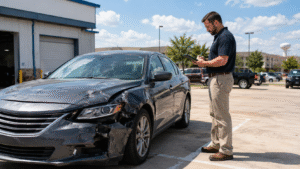
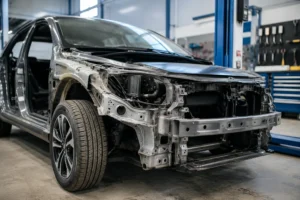
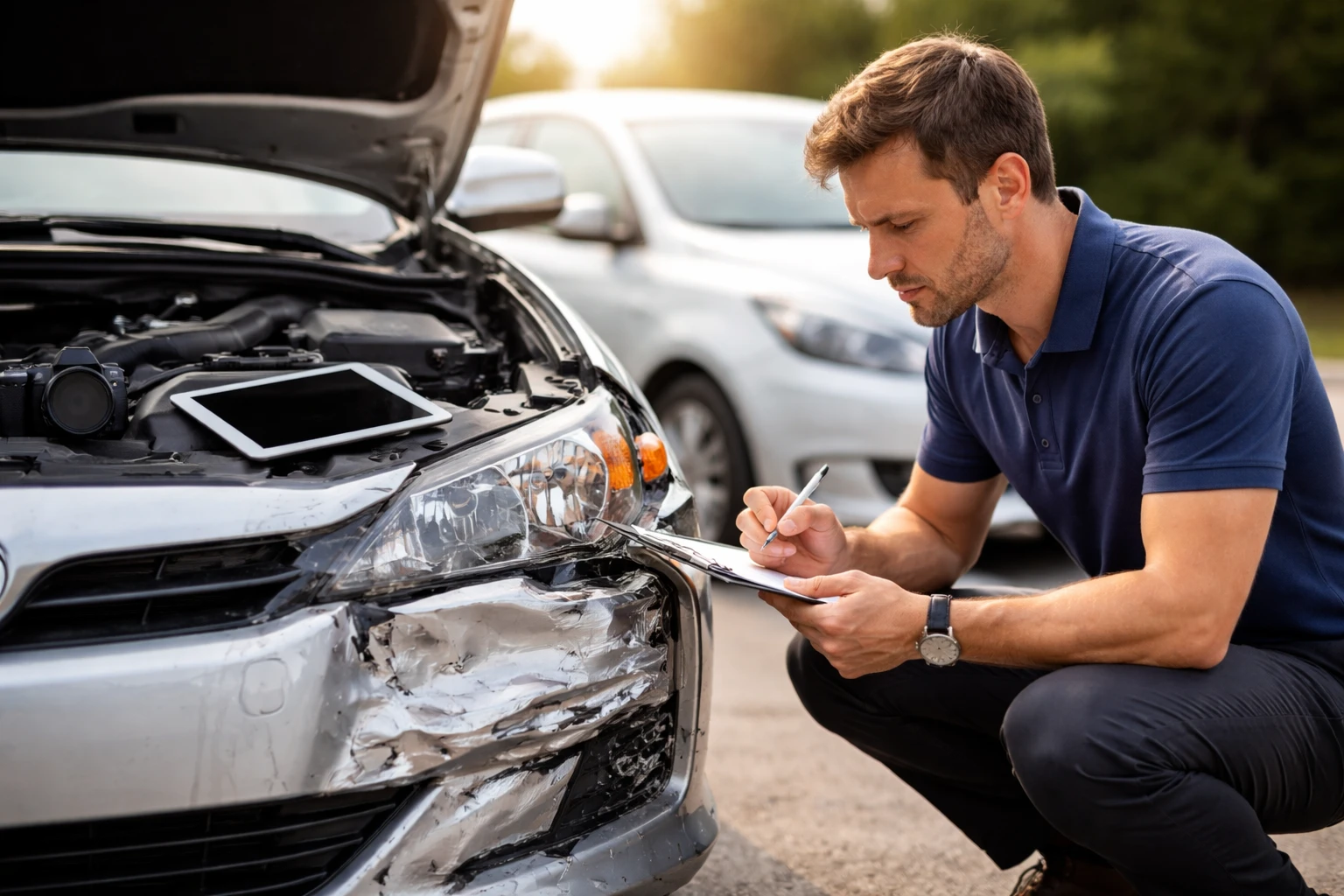
First comes the inspection. The appraiser carefully examines the vehicle to identify both visible and hidden damage. This process can involve checking:
- Body panels
- Structural components
- Suspension systems
- Electrical systems
- Safety features like airbags and sensors
Damage is photographed and documented. Every scratch, crack, or bent component is recorded. Even small damage can indicate larger structural problems beneath the surface.
Estimating Repair Costs
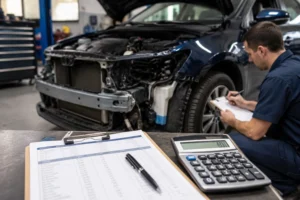
Next comes cost estimation. A car insurance appraiser calculates what it should cost to repair the vehicle using industry-standard pricing databases and repair procedures.
These estimates typically include:
| Repair Category | Examples |
| Parts | Replacement bumpers, headlights, sensors |
| Labor | Body work, painting, mechanical repair |
| Paint materials | Primer, paint layers, clear coat |
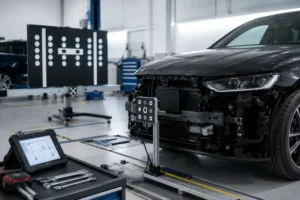
| Additional repairs | Alignment, calibration, diagnostics |
Modern vehicles include advanced sensors, cameras, and electronics. Even a small collision can trigger thousands of dollars in repairs.
Determining Vehicle Value
Sometimes repairing the car isn’t the best option. If repair costs exceed the vehicle’s value, the car may be declared a total loss. A car insurance appraiser must determine the vehicle’s pre-accident value before making that call.
This process involves analyzing:
- Vehicle age
- Mileage
- Condition before the accident
- Market pricing for similar vehicles
Accurate valuation is essential because it determines the payout you receive if the car is totaled.
Writing Detailed Appraisal Reports
Finally, everything is compiled into a formal report.
The appraisal report includes:
- Vehicle identification information
- Damage documentation
- Repair estimates
- Market value analysis
- Supporting photos
Insurance companies rely on these reports when approving claim settlements.
When Do You Need a Car Insurance Appraiser?
Not every fender bender requires a deep appraisal. But many situations do. You’ll typically encounter a car insurance appraiser during the following scenarios:
After a Car Accident
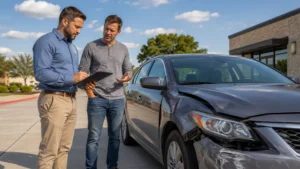
Most accident claims require an inspection before repairs can begin. The appraiser verifies the damage and prepares a repair estimate that guides the entire claim process.
When Filing an Insurance Claim
Insurance companies often send their own car insurance appraiser to review the vehicle. This step ensures that repair costs match the insurer’s guidelines.
When Estimates Are Disputed
Sometimes repair shops and insurance companies disagree. A professional appraisal helps resolve disputes by documenting the damage and repair procedures clearly.
When a Vehicle Is Declared a Total Loss
If the cost of repairs approaches or exceeds the vehicle’s value, an appraisal determines whether the car should be written off entirely.
Types of Car Insurance Appraisers
Not all appraisers work for the same party. Understanding the different types can help you navigate the claims process more confidently.
Insurance Company Appraisers
These appraisers work directly for insurance companies. Their job is to inspect damaged vehicles and estimate repair costs on behalf of the insurer. While they are professionals, their responsibility is still to the insurance company.
Independent Auto Appraisers
Independent appraisers work as third-party professionals. They may be hired by insurers, attorneys, repair facilities, or vehicle owners when an unbiased evaluation is needed.
Public Auto Appraisers
Public auto appraisers represent vehicle owners. They help ensure the damage assessment reflects the full extent of repairs required. When disputes arise, their reports can provide additional documentation supporting a claim.
How the Car Insurance Appraisal Process Works
Understanding the steps involved in a vehicle appraisal helps remove a lot of confusion. Here’s how the process usually unfolds.
Step 1: Filing the Claim
After an accident, the driver files a claim with their insurance provider. This starts the investigation and damage assessment process.
Step 2: Scheduling the Inspection
A car insurance appraiser schedules a time to inspect the vehicle.
This may occur at:
- A repair shop
- The vehicle owner’s home
- An insurance inspection center
Step 3: Vehicle Inspection
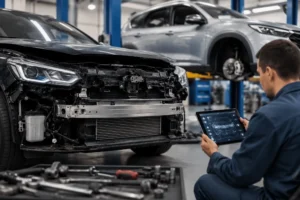
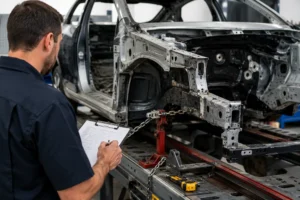
The appraiser carefully documents the damage using photos, measurements, and notes. Sometimes partial disassembly may be needed to reveal hidden damage.
Step 4: Repair Estimate Creation
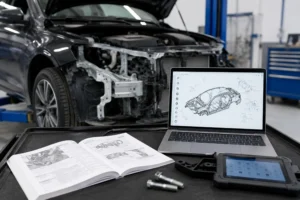
The appraiser prepares a repair estimate using specialized software and repair databases.
Step 5: Insurance Review
The insurance company reviews the appraisal report and determines whether to approve repairs or declare a total loss.
Step 6: Settlement or Repair Authorization
Once approved, the claim proceeds with:
- Repair authorization
- Payment issuance
- Settlement negotiation if needed
Tools and Technology Used by Car Insurance Appraisers
Modern vehicles are complex machines. Appraisers rely on sophisticated tools to evaluate them properly.
Common tools include:
- Digital damage estimating software
- Vehicle repair databases
- Diagnostic scanners
- High-resolution inspection photography
- Mobile inspection apps
Some modern vehicles even transmit operational data through systems connected to telematics, which allow insurers and technicians to understand vehicle performance and driving data remotely. These technologies allow a car insurance appraiser to produce accurate, consistent repair estimates. Without them, estimates could vary dramatically from one inspection to another.
Factors That Influence Car Insurance Appraisals
Many variables affect how repair costs or vehicle values are calculated. Here are some of the most important.
Vehicle Age and Condition
Older vehicles typically have lower market values, which affects whether repairs are financially reasonable. Previous damage or wear can also impact the final appraisal.
Extent of Damage
Not all accidents are equal. Structural damage, frame damage, and mechanical damage dramatically increase repair costs compared to cosmetic dents.
Parts Availability
Replacement parts vary widely in cost.
Appraisers must determine whether to use:
- Original manufacturer parts
- Aftermarket parts
- Reconditioned parts
Local Repair Costs
Labor rates vary by region. Repair facilities in urban areas often charge higher labor rates than those in smaller markets.
Common Disputes in Car Insurance Appraisals
Even with detailed inspections, disagreements sometimes occur.
Common disputes include:
- Repair estimates that appear too low
- Missing damage in the report
- Disagreements about total loss value
- Supplemental repairs discovered later
When this happens, a second car insurance appraiser may be brought in to review the claim. Clear documentation becomes essential in resolving these disputes.
How a Professional Car Insurance Appraiser Protects Vehicle Owners
Accurate appraisals protect more than insurance companies they protect vehicle owners too.
A skilled car insurance appraiser ensures:
- All damage is documented
- Repair procedures meet safety standards
- Vehicle value is accurately calculated
- Claims are settled fairly
Without proper documentation, vehicle owners may end up paying repair costs out of pocket. And those costs can escalate quickly.
Conclusion
Vehicle accidents are stressful enough. The last thing drivers need is confusion about repair costs or insurance payouts. That’s why the role of a car insurance appraiser is so important. These professionals examine vehicle damage, calculate repair costs, and determine vehicle value with precision. Their evaluations guide insurance decisions and influence how claims are settled.
When the appraisal is accurate, the process moves smoothly. Repairs happen faster. Settlements reflect the true cost of damage. And drivers can focus on getting back on the road. Understanding how a car insurance appraiser works and how the appraisal process unfolds gives you an advantage when dealing with insurance claims. It helps you ask the right questions, review estimates carefully, and ensure that your vehicle damage is assessed fairly. Because in the world of insurance claims, accuracy isn’t just helpful.
It’s everything.
FAQs
A car insurance appraiser is a professional who inspects vehicle damage and determines repair costs or vehicle value for insurance claims. Their report helps insurance companies decide how much compensation should be paid.
A car insurance appraiser typically inspects a vehicle after an accident, theft recovery, weather damage, or other incidents that require an insurance claim. The inspection usually happens before repairs begin.
Most insurance companies send a car insurance appraiser to evaluate damage when a claim is filed. In some minor cases, photo-based estimates may be used instead of a physical inspection.
Yes, vehicle owners can hire an independent car insurance appraiser if they disagree with the insurer’s estimate. Independent appraisers provide an unbiased evaluation of the damage and repair costs.
A car insurance appraiser typically includes vehicle details, photos of damage, repair cost estimates, parts pricing, and a description of required repairs in their report.
Most inspections performed by a car insurance appraiser take between 30 minutes and an hour, depending on the extent of the damage. The written report is usually completed shortly after the inspection.
If repairs cost more than the vehicle’s market value, a car insurance appraiser may classify the car as a total loss. The insurance company then pays the vehicle’s pre-accident value rather than repairing it.
Most car insurance appraisers work for insurance companies or as independent professionals, but they often collaborate with repair shops to confirm repair procedures and parts pricing.
Yes, additional damage may be discovered during repairs, which can lead to a supplemental appraisal. A car insurance appraiser may update the estimate to include hidden damage.
A car insurance appraiser ensures that vehicle damage is properly documented and repair costs are accurately calculated. This helps both the insurer and the vehicle owner reach a fair claim settlement.