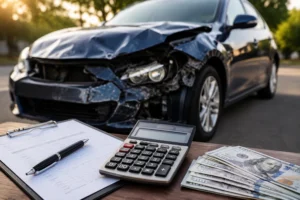
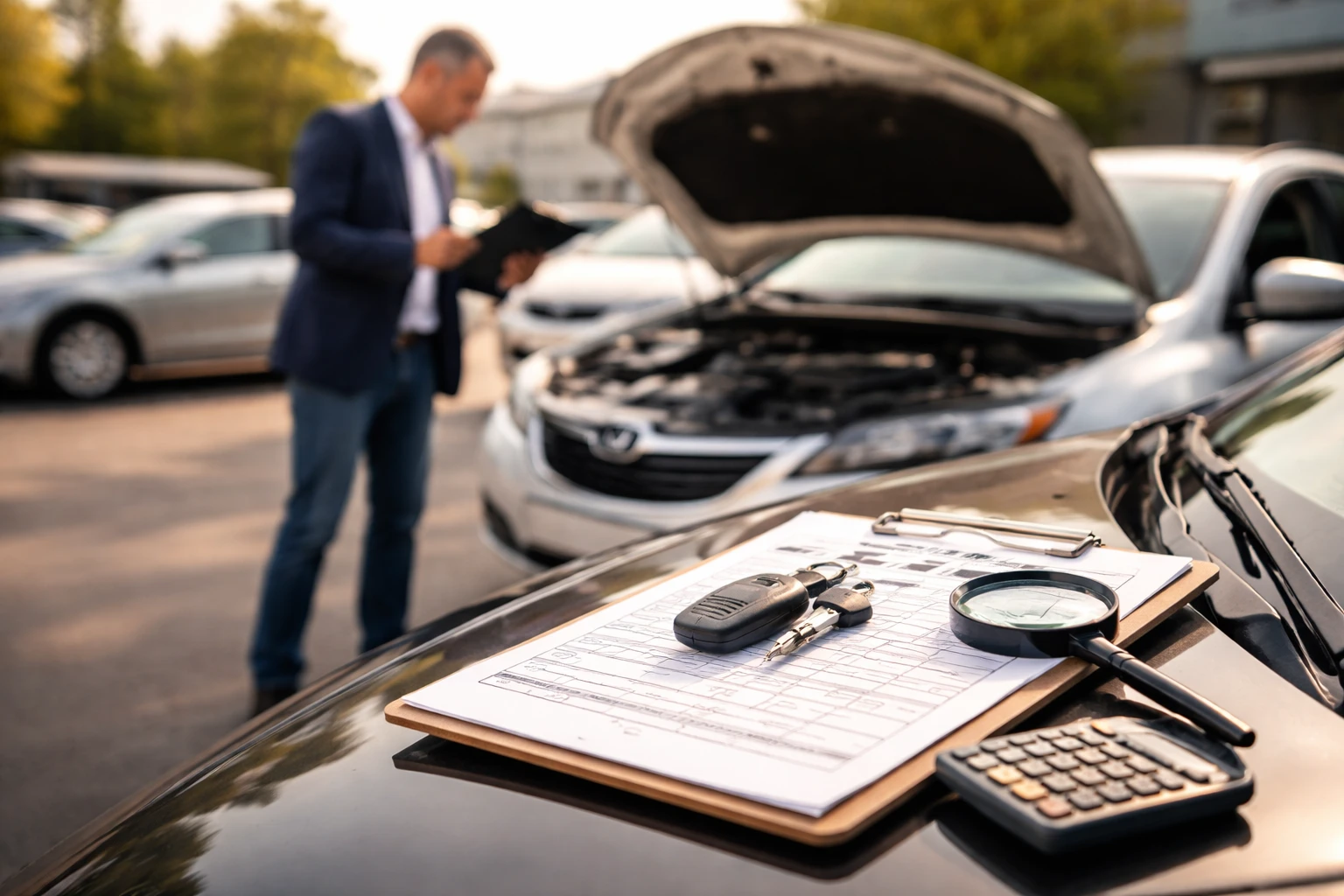
If you’ve ever tried to determine what your car is actually worth, you’ve probably realized it’s not as simple as typing the model into an online calculator. The car appraisal meaning goes far beyond quick estimates or pricing guides. It represents a professional evaluation that determines a vehicle’s true market value using inspection, documentation, and market analysis. I’ve seen many car owners assume their vehicle’s value is obvious. It isn’t. Condition varies. Market demand shifts. History matters. And small details like service records or previous repairs can significantly affect price.
Understanding the car appraisal meaning can help protect your financial decisions. Whether you’re selling a vehicle, filing an insurance claim, settling a legal matter, or insuring a classic car, a professional appraisal provides clarity and credibility. Let’s break down exactly how it works.
What Is the Car Appraisal Meaning?
At its core, the car appraisal meaning refers to a professional assessment that determines a vehicle’s fair market value. This evaluation is typically conducted by a trained appraiser who examines the vehicle, reviews its history, and compares it to similar vehicles currently selling in the market. The key phrase here is fair market value. That means the realistic price a buyer would reasonably pay for the vehicle in its current condition.
A professional appraisal usually involves several layers of evaluation:
- Physical inspection of the vehicle
- Review of documentation and ownership records
- Analysis of comparable vehicle sales
- Market demand analysis
- Condition grading
The result is a formal appraisal report that documents the car’s value and explains how the valuation was reached. This is why understanding the car appraisal meaning is so important. It’s not a guess. It’s a structured valuation process backed by evidence.
Why Car Appraisals Are Important
Many people only think about appraisals when selling a car. But the truth is, vehicle appraisals play a role in many financial and legal situations. A proper appraisal protects both buyers and owners from undervaluing or overvaluing a vehicle.
Here are some situations where appraisals become essential:
- Selling a vehicle privately
- Buying a used car
- Insurance coverage evaluations
- Accident or damage claims
- Divorce settlements
- Estate planning
- Classic car insurance
- Legal disputes involving vehicle value
Vehicles naturally lose value over time due to wear, age, and market conditions. This process is known as depreciation, and understanding it plays a key role in determining accurate vehicle valuations.
Understanding the car appraisal meaning ensures that decisions are based on facts instead of assumptions.
When You Might Need a Car Appraisal
Many vehicle owners assume appraisals are only necessary for rare or collectible cars. In reality, everyday vehicles may require appraisals as well.
Here are common real-world scenarios where an appraisal becomes useful:
Insurance Claims
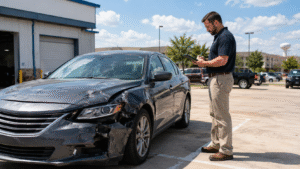
After an accident, insurance companies must determine the vehicle’s value before repairs or settlement payments are made.
Diminished Value Claims
Even after repairs, a vehicle that has been in an accident may lose value. Appraisals help quantify that loss.
Divorce Settlements
Vehicles are considered assets. A documented appraisal ensures fair asset division.
Estate Settlements
When vehicles are inherited, appraisals help determine their financial value for tax or asset distribution purposes.
Classic Car Insurance
Collector vehicles often require professional appraisals to determine agreed-value insurance policies.
Vehicle Donations
If a vehicle is donated, a professional appraisal may be needed for tax documentation.
Understanding the car appraisal meaning becomes particularly valuable in these situations because documented valuations carry legal weight.
How the Car Appraisal Process Works
Many people imagine that an appraisal is simply someone glancing at the car and naming a price. That’s not how it works. Professional appraisers follow a structured evaluation process.
Step 1: Initial Consultation
The process usually begins with a discussion about the vehicle. The appraiser gathers information such as:
- Make and model
- Year of manufacture
- Vehicle identification number (VIN)
- Current mileage
- Ownership history
- Purpose of the appraisal
This helps determine what type of appraisal is needed.
Step 2: Vehicle Inspection
Next comes a physical inspection. This may be conducted in person or, in some cases, through detailed remote documentation.
The inspection typically covers:
- Exterior condition
- Interior condition
- Engine performance
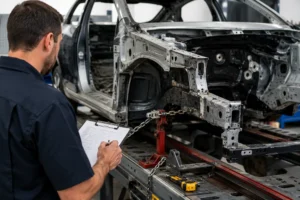
- Structural integrity
- Paint quality
- Tire and wheel condition
- Signs of repairs or modifications
Step 3: Documentation Review
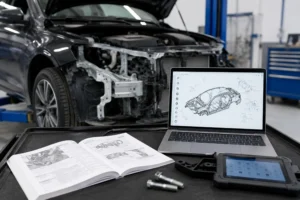
Appraisers also review documentation that may affect value, including:
- Maintenance records
- Accident reports
- Title status
- Modification receipts
- Ownership history
These details help verify the vehicle’s condition and background.
Step 4: Market Research
The appraiser compares the vehicle to similar cars currently available in the market.
They analyze:
- Current listings
- Recent sales data
- Market demand trends
- Geographic pricing differences
Step 5: Final Valuation Report
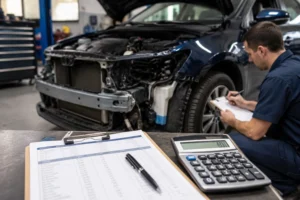
After gathering all relevant information, the appraiser prepares a detailed report explaining the vehicle’s estimated value. This report provides the official interpretation of the car appraisal meaning for that specific vehicle.
Factors That Influence Car Appraisal Value
A vehicle’s value is never based on just one factor. Instead, appraisers evaluate multiple elements together.
Here are the primary factors considered during appraisal:
Vehicle Condition
Condition plays a huge role in valuation.
Vehicles are typically graded based on:
- Exterior quality
- Interior wear
- Mechanical condition
- Structural integrity
Even small cosmetic issues can affect value.
Mileage
Mileage provides insight into the vehicle’s usage. Lower mileage generally suggests less wear, though maintenance history also matters.
Make, Model, and Year
Certain brands and models hold value better than others. Luxury brands, reliable models, and limited-production vehicles often command higher prices.
Vehicle History
Accidents, flood damage, or title issues can significantly reduce value. Clean history reports improve appraisal results.
Modifications
Upgrades and modifications may increase or decrease value depending on buyer demand.
For example:
- Performance upgrades
- Custom wheels
- Interior modifications
Some modifications appeal to niche buyers but reduce mainstream appeal.
Market Demand
Vehicle values fluctuate based on market trends. For example, SUVs may hold higher value during periods of high demand. Understanding the car appraisal meaning requires evaluating all these factors together rather than focusing on one detail.
Types of Car Appraisals
Not all appraisals serve the same purpose. Several specialized types exist depending on the situation.
Insurance Appraisals
Used to determine the value of a vehicle for insurance coverage or claim settlements.
Pre-Purchase Appraisals
Conducted before buying a used car to verify its condition and fair value.
Classic Car Appraisals
Used for collector vehicles where value depends on rarity, originality, and restoration quality.
Diminished Value Appraisals
Used after accidents to determine how much value a vehicle has lost.
Estate Appraisals
Required when vehicles are included in estate asset valuations.
Total Loss Appraisals
Used when insurance companies determine whether a vehicle is economically repairable. Each of these reflects a different application of the car appraisal meaning in real-world scenarios.
Professional Appraisers vs Online Valuation Tools
Many vehicle owners rely on online pricing tools. These tools can be helpful, but they don’t provide a complete picture.
| Feature | Online Tools | Professional Appraisers |
| Data Input | Basic vehicle info | Detailed inspection |
| Accuracy | Estimated ranges | Precise evaluation |
| Documentation | None | Formal appraisal report |
| Legal Acceptance | Rarely accepted | Often accepted |
| Market Research | Automated | Manual and local |
Online estimates are useful starting points. But they cannot replace professional evaluation.
This difference highlights the true car appraisal meaning: a documented, defensible valuation.
What Is Included in a Car Appraisal Report
A professional appraisal report contains detailed information explaining how the valuation was reached.
Typical components include:
- Vehicle identification information
- VIN verification
- Condition assessment
- High-resolution photographs
- Comparable vehicle sales data
- Market analysis
- Appraiser certification
- Final estimated value
This documentation allows the report to be used for insurance, legal, and financial purposes.
How Long a Car Appraisal Takes
Appraisal timelines vary depending on the complexity of the vehicle and the purpose of the appraisal.
Typical timeframes include:
- Vehicle inspection: 30 minutes to 2 hours
- Market research: several hours
- Report preparation: 1–2 days
Some appraisals may be completed within 24 hours, while complex collector vehicles may take longer.
How Much a Car Appraisal Costs
Professional appraisals are typically affordable compared to the financial decisions they protect.
| Type of Appraisal | Typical Cost |
| Standard vehicle appraisal | $100 – $300 |
| Insurance appraisal | $200 – $400 |
| Classic car appraisal | $300 – $600 |
| Legal or litigation appraisal | $500+ |
Pricing may vary depending on vehicle type, location, and the level of documentation required.
How to Prepare Your Vehicle for an Appraisal
Preparing your vehicle helps ensure an accurate evaluation. Here are a few practical tips.
Clean the Vehicle
A clean vehicle makes it easier for the appraiser to evaluate its condition.
Gather Documentation
Helpful records include:
- Maintenance history
- Repair invoices
- Ownership documents
- Modification receipts
List Modifications
Provide details about any upgrades or custom features.
Be Transparent
Honesty about damage or repairs ensures the appraisal remains accurate and credible.
Final Thoughts on Car Appraisal Meaning
Vehicles represent significant financial assets. Yet many owners rely on rough estimates when determining their value. That’s risky. Understanding the car appraisal meaning helps protect your financial decisions by providing an objective, documented evaluation of a vehicle’s worth.
Professional appraisals combine inspection, documentation, and market research to determine fair value. They provide credibility during sales, insurance claims, legal disputes, and asset planning. If you’re dealing with a vehicle that holds meaningful financial value, relying on guesswork isn’t enough. A proper appraisal provides clarity. Confidence. And peace of mind. That’s the real value behind understanding car appraisal meaning.
FAQs
Car appraisal meaning refers to the professional process of determining a vehicle’s fair market value based on inspection, documentation, and market analysis.
A car appraisal provides an accurate and documented vehicle value, which is useful for sales, insurance claims, legal disputes, and financial planning.
Car appraisals are typically performed by trained and certified vehicle appraisers who specialize in evaluating vehicle condition and analyzing market data.
You may need a car appraisal when selling a vehicle, filing an insurance claim, settling legal matters, or determining the value of a classic or collectible car.
Most car appraisals take a few hours for inspection and research, while the final appraisal report is usually delivered within one to two days.
Vehicle condition, mileage, make and model, accident history, modifications, and current market demand all influence the final appraisal value.
No, online estimates provide rough pricing ranges, while a professional appraisal involves a detailed inspection and produces a documented valuation report.
A standard car appraisal usually costs between $100 and $300, though classic or legal appraisals may cost more depending on complexity.
An appraisal report typically includes vehicle details, condition analysis, photographs, comparable market data, and the appraiser’s final estimated value.
Yes, a professional appraisal can support insurance claims by providing documented proof of the vehicle’s value before or after damage.