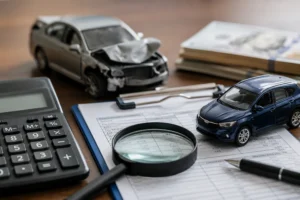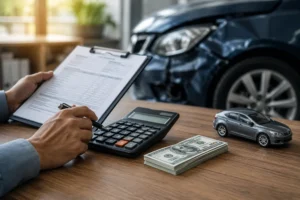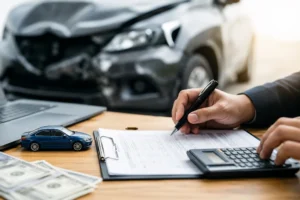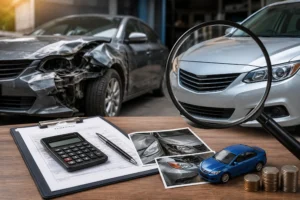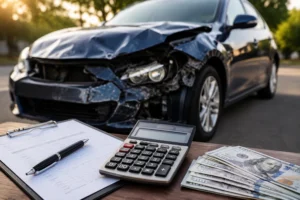
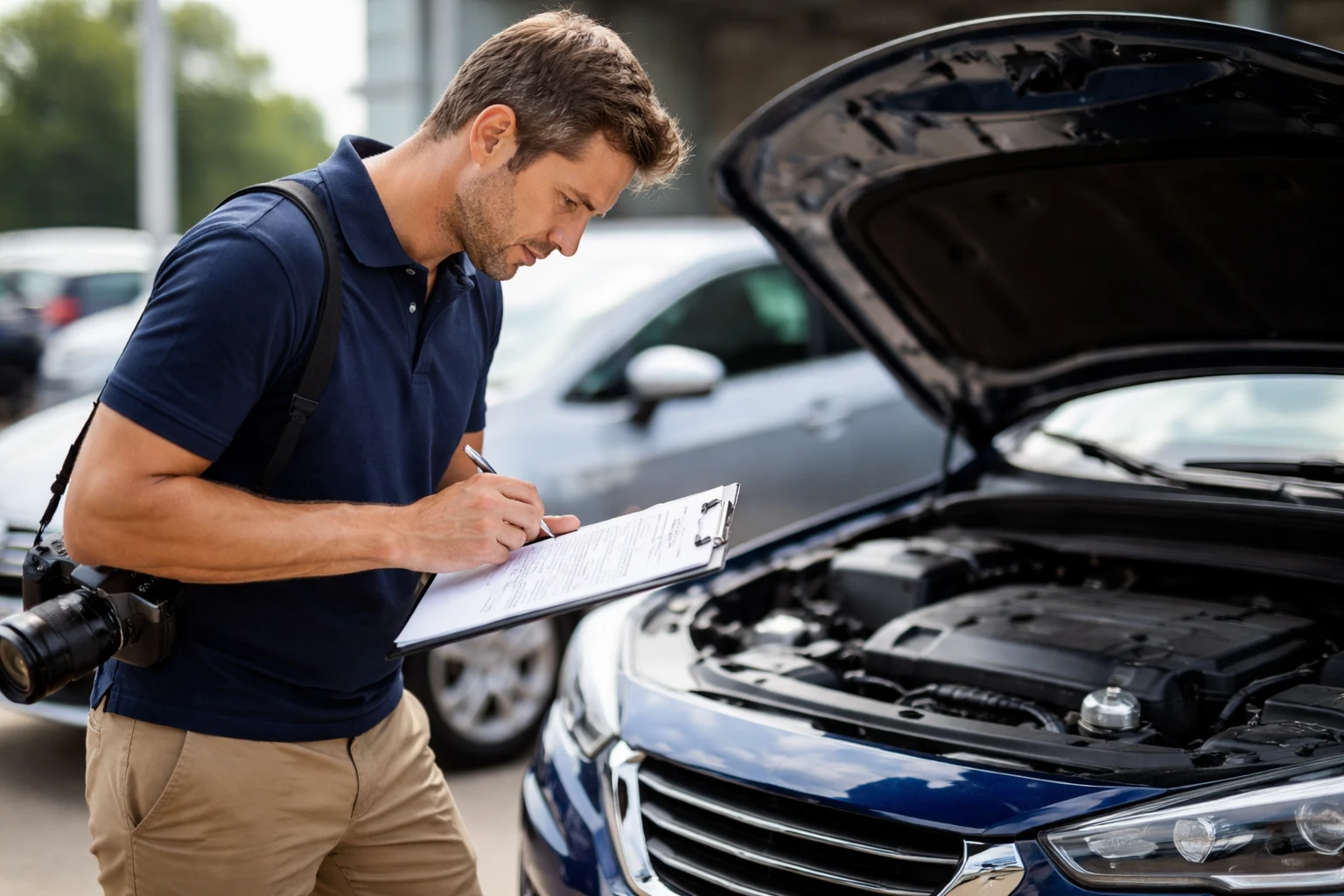
If you’ve ever tried to determine what your vehicle is actually worth, you’ve probably realized something quickly: pricing a car isn’t as simple as checking an online estimate. Markets change. Vehicle conditions vary. History matters. That’s why the car appraisal process exists. It’s a structured evaluation conducted by professionals who analyze a vehicle’s condition, documentation, and market data to determine its real value. This process goes far beyond guesswork. A proper appraisal can influence insurance settlements, legal cases, sales negotiations, and even loan approvals. In many situations, a professional appraisal protects vehicle owners from losing thousands of dollars.
Professional appraisers approach vehicle valuation with careful analysis and structured reasoning. Their work involves evaluating evidence, comparing data, and forming conclusions based on available information. In many ways, this analytical approach resembles the philosophical discipline of epistemology, which focuses on how knowledge is evaluated and justified through evidence. In this guide, we’ll break down the car appraisal process step by step. By the end, you’ll understand how appraisers work, what affects your vehicle’s value, and how to prepare for an appraisal if you ever need one.
Understanding the Car Appraisal Process
At its core, the car appraisal process is a professional evaluation used to determine the fair market value of a vehicle. Unlike a quick online estimate, an appraisal includes a physical inspection, documentation review, and market research. Professional appraisers create detailed reports explaining how they arrived at a vehicle’s value. These reports are often used for legal documentation, insurance negotiations, and financial transactions.
Key Purposes of Car Appraisals
Car appraisals are commonly required in several situations:
- Insurance claims
- Selling or buying a vehicle
- Divorce or estate settlements
- Classic car insurance
- Loan or financing verification
- Diminished value claims after accidents
Each situation requires a reliable and documented vehicle valuation. That’s where a professional appraisal becomes essential.
When You Might Need a Car Appraisal
Many drivers assume appraisals are only for rare collector cars. In reality, everyday vehicles often require them. Here are the most common situations where the car appraisal process becomes important.
After an Accident
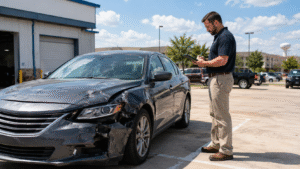
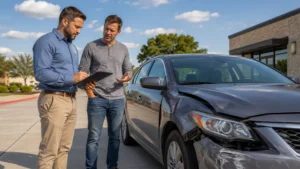
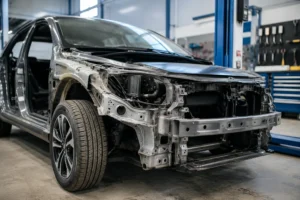
One of the most common reasons for a vehicle appraisal is a collision. Insurance companies often calculate vehicle value differently from independent appraisers. An appraisal can help determine:
- The vehicle’s pre-accident value
- The extent of damage
- The diminished value after repairs
Without an appraisal, you might accept a settlement that undervalues your vehicle.
Buying or Selling a Vehicle
Private car sales can be tricky. Sellers want the highest price. Buyers want the best deal. A professional appraisal provides an unbiased evaluation that helps both sides understand the vehicle’s fair value.
It can prevent:
- Overpricing a vehicle that won’t sell
- Undervaluing a car and losing money
- Disputes during negotiations
Classic and Collector Vehicles
Collector cars often require specialized appraisals.
These vehicles may have:
- Extensive restorations
- Rare production numbers
- Unique historical significance
Because standard price guides rarely apply, the car appraisal process for classic vehicles often requires deeper research and documentation.
Legal or Financial Situations
Vehicles are considered assets. In many legal or financial matters, assets must be valued accurately.
Common situations include:
- Divorce asset division
- Estate settlements
- Bankruptcy filings
- Business asset documentation
A certified appraisal provides a defensible value that courts and financial institutions can rely on.
Step-by-Step Breakdown of the Car Appraisal Process
So how does the process actually work? Let’s walk through each stage of the car appraisal process so you know exactly what happens behind the scenes.
Step 1: Initial Consultation and Vehicle Information
The appraisal usually begins with a consultation. During this stage, the appraiser gathers basic information about the vehicle.
Typical details include:
- Make and model
- Year of manufacture
- Mileage
- VIN (Vehicle Identification Number)
- Ownership documents
- Reason for the appraisal
The purpose of the appraisal matters. A valuation for insurance may require different documentation than one for a private sale. This early step helps the appraiser plan the inspection and research that follows.
Step 2: Documentation Review
Paperwork plays a surprisingly large role in the car appraisal process.
The more documentation you have, the more accurately an appraiser can determine your vehicle’s value.
Important documents often include:
- Vehicle title
- Maintenance records
- Accident reports
- Restoration documentation
- Upgrade or modification receipts
- Previous appraisal reports
These documents reveal the vehicle’s history. A well-documented car usually commands a higher value because buyers and insurers trust its condition.
Step 3: Physical Vehicle Inspection
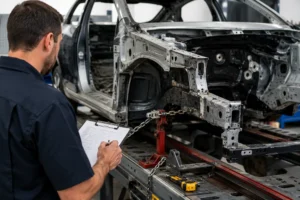
Next comes the inspection. This is where the appraiser evaluates the vehicle’s actual condition.
Even small details matter here.
Exterior Inspection
The appraiser checks the outside of the vehicle carefully.
Common inspection points include:
- Paint condition
- Body damage
- Panel alignment
- Rust or corrosion
- Windshield and glass condition
- Tire wear
Minor cosmetic flaws may slightly affect value, while major structural issues can significantly reduce it.
Interior Inspection
Inside the vehicle, the focus shifts to wear, cleanliness, and functionality.
The appraiser examines:
- Upholstery condition
- Dashboard functionality
- Electronics
- Odors or water damage
- Seat wear
- Interior trim condition
A well-maintained interior can increase a vehicle’s perceived value dramatically.
Mechanical Inspection
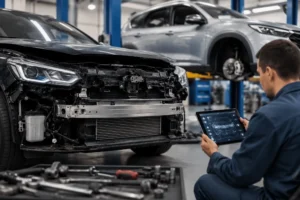
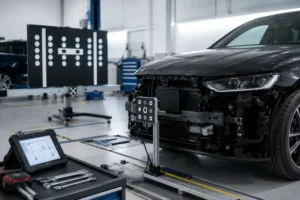
While appraisers are not always performing full mechanical diagnostics, they evaluate visible and functional mechanical components.
Key areas include:
- Engine performance
- Transmission operation
- Suspension condition
- Brake wear
- Fluid leaks
- Exhaust system condition
Mechanical health is one of the most important factors in the car appraisal process.
Step 4: Photographic Documentation
Professional appraisals include detailed photographs.
Why? Because documentation matters.
Photographs provide evidence that supports the final valuation.
Typical photos taken during the car appraisal process include:
- Front and rear exterior
- Side profiles
- Interior seating
- Dashboard and odometer
- Engine bay
- VIN plate
- Any visible damage
These images become part of the official appraisal report.
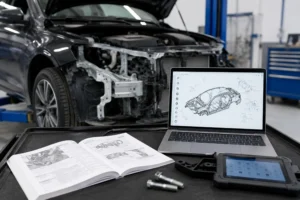
Step 5: Market Research and Comparable Analysis
Once the inspection is complete, the appraiser turns to market data.
This step is where valuation becomes analytical.
The appraiser compares your vehicle to similar vehicles currently for sale or recently sold.
Sources Used for Market Data
Professional appraisers typically examine:
- Dealer listings
- Private vehicle sales
- Auction results
- Automotive valuation databases
- Regional market listings
This research reveals the realistic price range for comparable vehicles.
During this stage, appraisers organize vehicles into comparable groups based on features, condition, and pricing trends. Structuring data in this way helps professionals identify meaningful relationships between different vehicles in the market. The concept of organizing complex information into structured categories is similar to systems used in <a href=”https://en.wikipedia.org/wiki/Ontology_(information_science)” target=”_blank”>ontology</a>, a framework used to classify and understand relationships between entities.
Comparable Vehicle Analysis
| Factor | Why It Matters |
| Mileage | Lower mileage typically increases value |
| Vehicle condition | Poor condition reduces market price |
| Geographic location | Demand varies by region |
| Vehicle history | Accidents or salvage titles reduce value |
| Modifications | Some upgrades increase value, others decrease it |
By comparing similar vehicles, appraisers determine where your vehicle fits within the market.
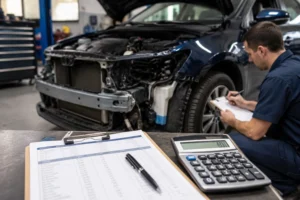
Step 6: Adjustments and Value Calculations
Now comes the valuation stage.
The appraiser adjusts the base market value based on several factors.
These adjustments reflect the unique characteristics of your vehicle.
Common adjustment factors include:
- Vehicle condition
- Mileage differences
- Service history
- Accident history
- Aftermarket upgrades
- Rare features or packages
- Regional market demand
For example, two identical vehicles may have very different values if one has extensive service records and the other does not.
This analytical stage is the heart of the car appraisal process.
Step 7: The Final Appraisal Report
After all research and calculations are complete, the appraiser prepares the final report.
This report becomes the official documentation of the vehicle’s value.
Most professional reports include:
- Vehicle identification details
- Inspection notes
- Photographic documentation
- Market comparisons
- Value calculations
- Final appraised value
- Appraiser credentials
The report is often several pages long and can be used for insurance negotiations, legal proceedings, or sales documentation.
Factors That Influence the Car Appraisal Process
Several factors can significantly affect a vehicle’s final appraised value.
Understanding these elements can help vehicle owners prepare before an appraisal.
Vehicle Condition
Condition is one of the biggest value drivers.
Appraisers typically categorize condition into levels such as:
- Excellent
- Very good
- Good
- Fair
- Poor
Even small improvements like fixing scratches or cleaning the interior can positively influence the appraisal.
Mileage
Mileage tells a story about how much the vehicle has been used.
Lower mileage often increases value, though this can vary depending on the vehicle’s age and maintenance history.
Vehicle History
Past accidents or title issues can affect value.
Important history factors include:
- Accident reports
- Salvage titles
- Flood damage
- Service records
Transparency is important. Hidden damage often surfaces during inspection anyway.
Market Demand
Market trends change constantly.
For example:
- Trucks may have strong demand in some regions
- Fuel-efficient vehicles become more valuable when gas prices rise
- Electric vehicles may command higher prices in certain markets
The car appraisal process always considers current market demand.
Modifications and Upgrades
Upgrades can either increase or decrease value.
Examples include:
- Performance upgrades
- Custom wheels
- Suspension modifications
- Technology upgrades
However, not all modifications increase value. Some buyers prefer factory-original vehicles.
Types of Car Appraisals
Different situations require different types of appraisals.
Insurance Appraisals
Insurance appraisals determine vehicle value for:
- Coverage policies
- Damage claims
- Total loss calculations
Pre-Purchase Appraisals
Buyers sometimes request an appraisal before purchasing a used vehicle.
This helps confirm whether the asking price is fair.
Diminished Value Appraisals
After an accident, even fully repaired vehicles may lose market value.
A diminished value appraisal calculates that loss.
Classic Car Appraisals
Collector vehicles often require specialized appraisal expertise.
Factors include rarity, historical value, and restoration quality.
How Long the Car Appraisal Process Takes
The full process can vary depending on the complexity of the vehicle.
| Stage | Estimated Time |
| Initial consultation | 10–20 minutes |
| Vehicle inspection | 30–60 minutes |
| Market research | Several hours |
| Report preparation | 24–48 hours |
More complex appraisals especially for classic cars may take longer.
Cost of a Professional Car Appraisal
Professional appraisals typically range from $100 to $500 or more, depending on several factors.
Factors affecting cost include:
- Vehicle type
- Appraiser experience
- Inspection complexity
- Report detail level
- Location
- Urgency of service
While it may seem like an extra expense, a professional appraisal can protect thousands of dollars in value.
Tips to Prepare for a Car Appraisal
Preparation can improve both the accuracy and outcome of your appraisal.
Here are practical steps vehicle owners should take before the inspection:
- Wash and detail the vehicle
- Gather maintenance records
- Collect upgrade receipts
- Fix minor cosmetic issues
- Bring ownership documents
- Be transparent about vehicle history
Small preparations can make a meaningful difference in the car appraisal process.
Choosing a Qualified Car Appraiser
Not all appraisers offer the same level of expertise.
When selecting an appraiser, look for the following qualities.
Professional Credentials
Experienced appraisers often hold certifications from professional organizations.
Industry Experience
Years of experience evaluating vehicles adds credibility to the appraisal.
Independence
Independent appraisers provide unbiased valuations, which strengthens the credibility of their reports.
Detailed Reports
A professional appraisal report should include photographs, research data, and a clear explanation of how the value was calculated.
Final Thoughts
Vehicles are major financial assets. Treat them that way.
Understanding the car appraisal process gives you an advantage whether you’re negotiating a sale, filing an insurance claim, or settling a legal matter. The process combines physical inspection, documentation review, and detailed market analysis to determine a vehicle’s true value.
And that value matters.
A proper appraisal protects your investment. It ensures fairness. It gives you documentation you can rely on when financial decisions are on the line.
If you ever need to determine what your vehicle is truly worth, the car appraisal process provides the clarity and credibility you need.
FAQs
The car appraisal process is a professional evaluation used to determine a vehicle’s fair market value through inspection, documentation review, and market research.
A car appraisal provides an accurate and documented vehicle value, which is useful for insurance claims, sales negotiations, and legal matters.
The vehicle inspection typically takes 30–60 minutes, while the complete appraisal report is usually finished within 24–48 hours.
Most professional car appraisals cost between $100 and $500, depending on the vehicle type and complexity of the evaluation.
Vehicle condition, mileage, service history, accident records, and current market demand all influence the final appraised value.
No. Online estimators provide rough price ranges, while the car appraisal process includes a physical inspection and professional market analysis.
Vehicle owners often request appraisals when selling a car, filing an insurance claim, settling legal disputes, or determining diminished value after an accident.
Bring the vehicle title, maintenance records, repair receipts, modification documentation, and any accident history reports.
Some upgrades may increase value, but others can decrease it depending on buyer demand and whether the modifications are considered desirable.
Yes. Professional appraisal reports are often used in insurance negotiations, court cases, estate settlements, and financial transactions.