Selling a vehicle, settling an insurance claim, or handling legal paperwork often starts with one important step: understanding its true value. If you’re wondering how to get an appraisal on a car, you’re already thinking like a smart vehicle owner. A proper appraisal helps you avoid guesswork. It gives you real numbers backed by market data, vehicle condition, and professional evaluation.
I’ve seen many people struggle with pricing a car. Some price too high and scare away buyers. Others go too low and leave money on the table. A solid appraisal fixes that problem quickly.
In this guide, we’ll walk through how to get an appraisal on a car, what appraisers look for, how much it costs, and how you can prepare your vehicle to receive the most accurate valuation possible.
What a Car Appraisal Is
A car appraisal is a professional assessment that determines the monetary value of a vehicle. Think of it as an expert opinion backed by data.
Unlike a quick online price estimate, a full appraisal considers many factors including condition, mileage, market demand, and vehicle history. The result is usually a written report explaining how the value was calculated.
People sometimes confuse appraisals with general value estimates. They are not the same thing.
Here’s a quick comparison:
| Type | What It Is | Accuracy |
| Online Estimate | Automated value calculation | Moderate |
| Dealer Trade-In | Dealer offer for purchase | Often lower |
| Professional Appraisal | Certified valuation report | Highest |
When learning how to get an appraisal on a car, understanding this difference is essential.
When You Should Get an Appraisal on a Car
Not every situation requires a formal appraisal. But in many cases, it becomes extremely valuable.
Selling Your Vehicle
When selling privately, pricing matters. Too high and buyers walk away. Too low and you lose money.
An appraisal gives you a realistic market value that helps set a fair price.
Insurance Claims
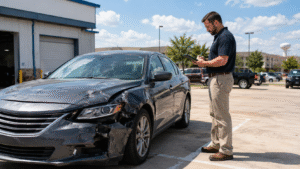
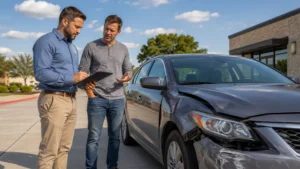
If your vehicle is damaged in an accident, an appraisal may be required to determine repair value or loss value. This becomes especially important when disputes arise with insurers.
Divorce or Asset Division
Vehicles are often part of financial settlements. Courts frequently request formal appraisals to determine fair asset distribution.
Estate and Probate Situations
When someone inherits a vehicle, legal documentation may require a professional valuation.
Classic or Collector Cars
Specialty vehicles require specialized appraisals. Their value often depends on rarity, originality, and condition.
Factors That Affect a Car’s Appraisal Value
When professionals evaluate a vehicle, they don’t rely on guesswork. They follow a structured process. Several key elements determine the final number.
Vehicle Condition
Condition plays the biggest role.
Appraisers inspect:
- Body condition
- Paint quality
- Interior wear
- Engine performance
- Tire condition
A vehicle with a well-maintained interior and exterior often receives a significantly higher appraisal.
Mileage
Mileage signals how much the car has been used.
Lower mileage generally increases value, though proper maintenance can offset higher mileage.
Vehicle History
Appraisers review vehicle history reports to identify:
- Previous accidents
- Title issues
- Ownership changes
- Major repairs
A clean history almost always improves the valuation.
Market Demand
Demand changes constantly. A fuel-efficient sedan may have higher demand during high gas prices, while trucks may surge in value during construction booms.
Appraisers monitor these trends closely.
Modifications and Upgrades
Upgrades can influence value in different ways.
Positive examples include:
- New suspension
- Updated infotainment systems
- Premium tires
However, extreme customizations can sometimes lower resale value.
Types of Car Appraisals
Understanding the different appraisal methods helps you choose the right one.
Online Car Valuation Tools
Online tools provide quick estimates using vehicle data and market trends.
Pros:
- Fast
- Free
- Convenient
Cons:
- Limited accuracy
- No physical inspection
They’re useful for early research but rarely replace a full appraisal.
Dealership Appraisals
Dealerships offer free appraisals when considering trade-ins.
However, their goal is to purchase your car at a profitable margin. The number you receive may be lower than private market value.
Independent Professional Appraisals
Certified appraisers provide the most reliable valuation.
These experts inspect the vehicle thoroughly and produce written reports often used for insurance or legal documentation.
Insurance Appraisals
Insurance companies sometimes require their own appraisals during claims.
These evaluations determine repair costs or replacement value.
Understanding these options helps when deciding how to get an appraisal on a car based on your needs.
Step-by-Step: How to Get an Appraisal on a Car
Now let’s walk through the actual process.
Step 1: Gather Vehicle Information
Before requesting an appraisal, collect essential documents.
These include:
- Vehicle Identification Number (VIN)
- Maintenance records
- Registration documents
- Title paperwork
- Service history
Complete documentation helps the appraiser determine value more accurately.
Step 2: Clean and Prepare the Vehicle
Presentation matters more than many owners realize.
A clean vehicle suggests good maintenance. Even minor cosmetic improvements can influence an appraisal.
Preparation tips:
- Wash and wax the exterior
- Vacuum the interior
- Remove personal items
- Fix small scratches
- Replace burnt-out lights
These simple steps create a strong first impression.
Step 3: Research Market Value
Before the appraisal, it’s wise to check current market listings.
Look at:
- Similar vehicles for sale
- Comparable mileage
- Local market prices
- Vehicle demand trends
This research prepares you to evaluate the final appraisal realistically.
Step 4: Choose the Right Appraisal Method
At this point, decide how formal the appraisal needs to be.
Your options include:
| Method | Best For |
| Online estimate | Quick research |
| Dealer appraisal | Trade-ins |
| Professional appraisal | Insurance or legal use |
| Collector appraisal | Rare vehicles |
Choosing the correct method ensures you get the information you actually need.
Step 5: Schedule the Appraisal Inspection
If using a professional service, schedule an appointment.
The inspection usually includes:
- Exterior examination
- Interior inspection
- Engine evaluation
- VIN verification
- Documentation review
This process typically takes 30 to 90 minutes depending on vehicle condition.
Step 6: Review the Final Appraisal Report
Once the inspection is complete, the appraiser prepares a written report.
The report usually includes:
- Vehicle details
- Condition assessment
- Market comparisons
- Final estimated value
At this stage, you’ll clearly understand the vehicle’s market position.
And now you truly know how to get an appraisal on a car the right way.
What Happens During a Professional Car Appraisal
Many people feel uncertain about what happens during the process.
Here’s what a typical appraisal looks like.
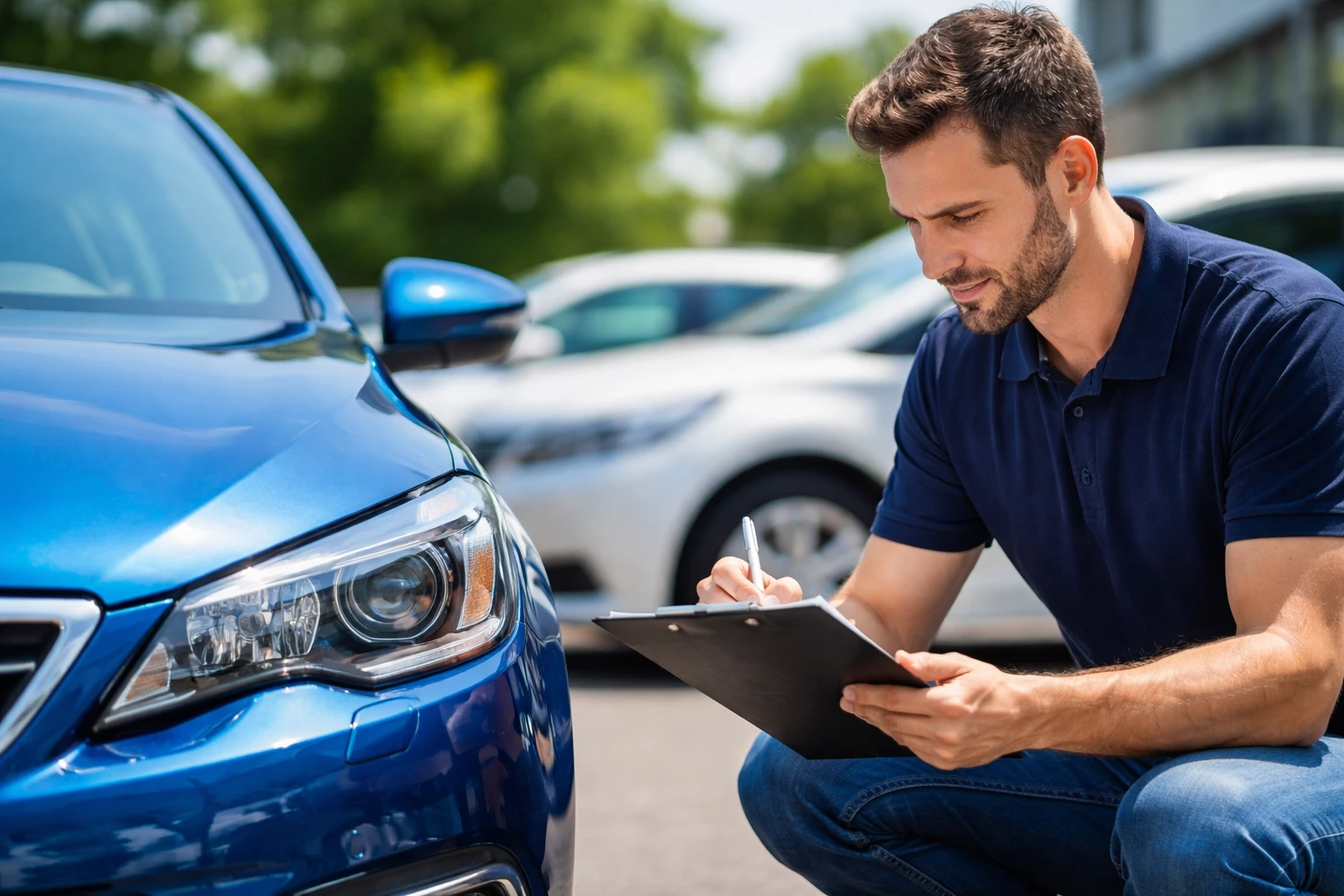
First, the appraiser inspects the exterior. Paint quality, dents, rust, and panel alignment are checked carefully.
Next comes the interior. Seat wear, dashboard condition, and electronics are reviewed.
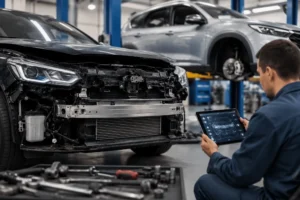
Then the mechanical evaluation begins. The engine, transmission, brakes, and suspension may be examined or tested.
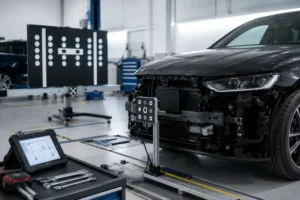
Finally, the appraiser compares the vehicle to recent sales data. Market analysis helps determine fair value. In some cases, the process involves detailed comparison methods similar to analytical systems used in fields like multivariate analysis, where multiple variables are examined together to reach a final conclusion.
The finished report combines inspection results and pricing research.
How Much a Car Appraisal Typically Costs
Appraisal costs vary depending on the level of detail required.
Here’s a general breakdown.
| Appraisal Type | Average Cost | Typical Purpose |
| Online valuation | Free | Research |
| Dealership appraisal | Free | Trade-in |
| Professional appraisal | $100 – $500 | Insurance, legal |
| Classic car appraisal | $300 – $1,000+ | Collector valuation |
For most vehicle owners, professional appraisals fall between $150 and $300.
Considering the financial clarity they provide, it’s often a worthwhile investment.
Tips to Increase Your Car’s Appraisal Value
A few simple strategies can make a noticeable difference.
Keep Maintenance Records
Documentation proves responsible ownership. Appraisers appreciate detailed service history.
Fix Minor Cosmetic Issues
Small repairs like replacing worn trim or polishing headlights can improve perceived value.
Maintain the Interior
Clean upholstery and intact dashboards create a stronger impression during inspection.
Avoid Extreme Modifications
While upgrades can help, extreme customization may narrow the pool of potential buyers.
Keep the Vehicle Clean
A freshly detailed vehicle always photographs and presents better.
Common Mistakes to Avoid During a Car Appraisal
Even experienced vehicle owners make mistakes during this process.
Here are the most common ones.
- Skipping vehicle preparation
- Not researching market value
- Ignoring maintenance documentation
- Accepting the first offer without comparison
- Relying only on automated pricing tools
Avoiding these pitfalls ensures a smoother experience when learning how to get an appraisal on a car.
How to Use Your Car Appraisal Report
Once you receive the appraisal report, it becomes a powerful tool.
You can use it to:
- Set a realistic selling price
- Negotiate confidently with buyers
- Support insurance claims
- Document vehicle value for legal matters
- Compare dealership trade-in offers
A professional report strengthens your position during negotiations.
Final Thoughts
Understanding how to get an appraisal on a car can save you time, money, and frustration. A proper appraisal removes guesswork and replaces it with verified data.
Start by preparing your vehicle. Gather documentation. Research the market. Then choose the appraisal method that fits your situation.
Sometimes a simple online estimate is enough. Other times, a professional appraisal report becomes essential.
Either way, knowing the true value of your vehicle puts you in control. And that’s exactly where every car owner should be!
FAQs
A car appraisal is a professional evaluation that determines the current market value of a vehicle based on its condition, mileage, history, and market demand.
People typically get a car appraisal when selling a vehicle, filing an insurance claim, settling legal matters, or determining the value of a classic or collectible car.
Most professional car appraisals take between 30 minutes and 90 minutes depending on the inspection process and documentation review.
Professional car appraisals typically cost between $100 and $500, though collector or specialty vehicles may require higher fees.
Yes, many websites provide free online car valuation tools, but they offer estimates rather than a detailed professional appraisal.
Common documents include the vehicle title, registration, VIN number, maintenance records, and service history.
Yes, dealerships often offer free appraisals for trade-in vehicles, though the value may be lower than private market estimates.
Yes, presenting a clean and well-maintained vehicle can positively influence the appraiser’s perception of the car’s condition.
Yes, classic and collector vehicles often require specialized appraisals that consider rarity, originality, restoration quality, and collector demand.
Professional appraisals are usually very accurate because they combine vehicle inspections, documentation review, and current market data analysis.