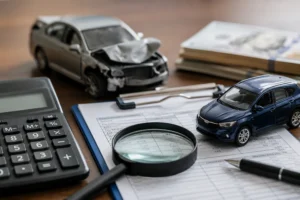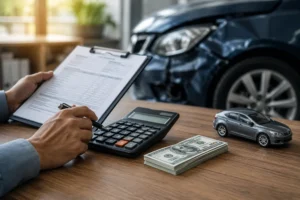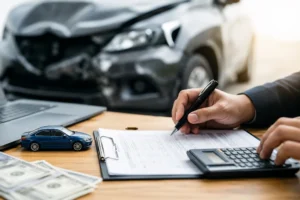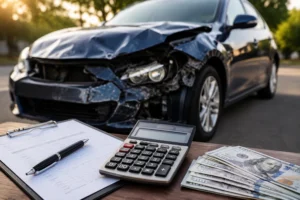
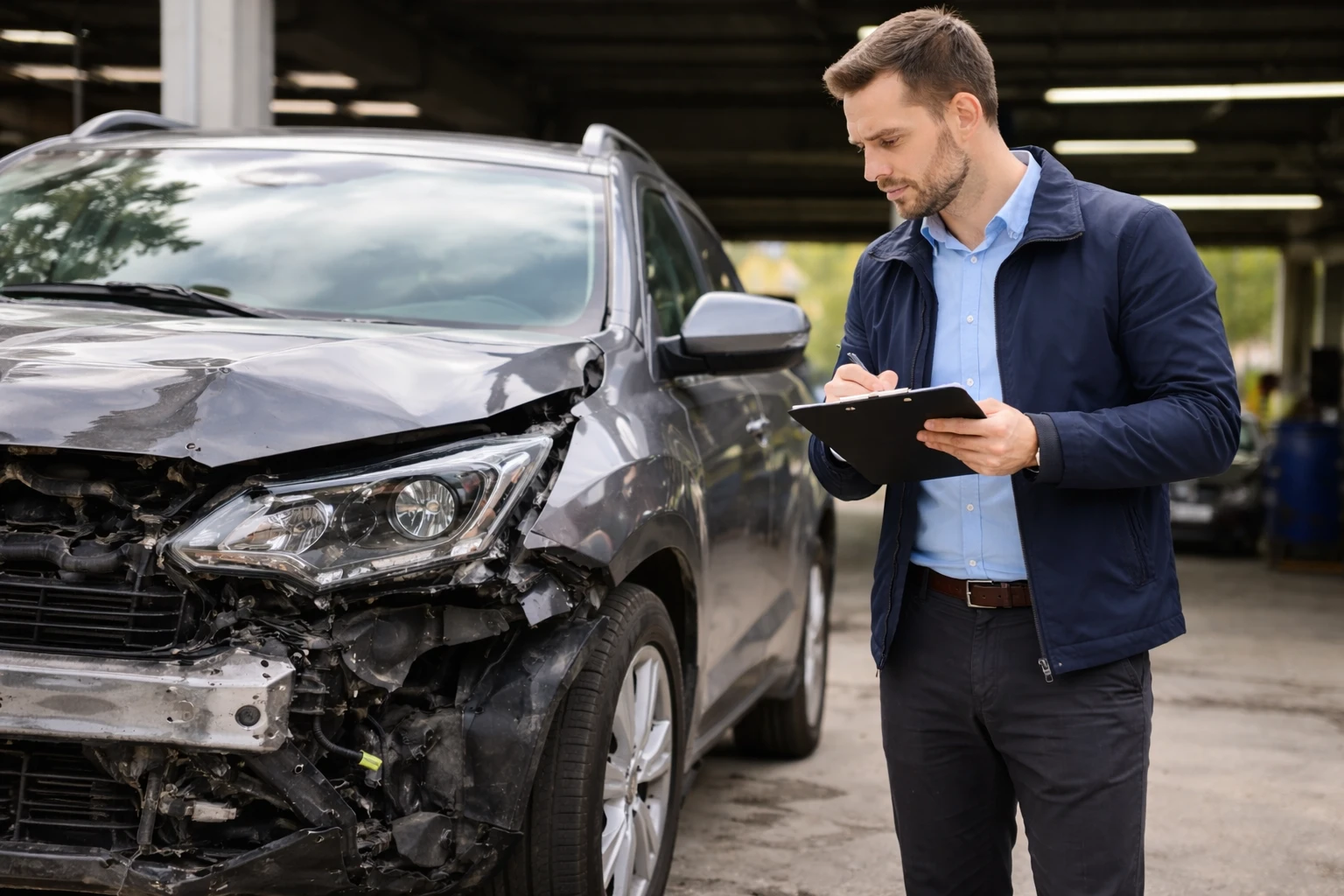
An accident changes everything. One moment your car is running perfectly, and the next you’re staring at dented panels, cracked lights, and a flood of questions. Among the most important? What is your vehicle actually worth now? That’s where a car appraisal after accident becomes critical.
Insurance companies will offer estimates. Repair shops will give quotes. But those numbers don’t always tell the full story. A professional appraisal helps determine the true market value of your vehicle after a crash, ensuring you receive fair compensation or make informed decisions about repairs, resale, or claims. In this guide, we’ll break down how a car appraisal after accident works, when you need one, what affects the valuation, and how it can protect you financially.
Understanding Car Appraisal After an Accident
What Is a Car Appraisal After Accident?
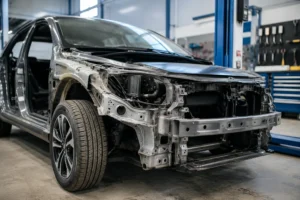
A car appraisal after accident is a professional evaluation of a vehicle’s value after it has been involved in a collision. The process analyzes damage, repair costs, and market conditions to determine how much the car is worth post-accident. This is different from a regular vehicle valuation. Normally, appraisals consider mileage, condition, and market demand. After a crash, however, additional factors enter the equation:
- Structural damage
- Repair quality
- Accident history
- Diminished value
Even if the vehicle is fully repaired, its value may still drop significantly. That’s reality. Buyers and dealerships typically pay less for vehicles with accident records. A proper appraisal documents that change in value.
Why Car Appraisals Matter After a Crash
After an accident, financial decisions start piling up quickly. Repairs. Insurance claims. Possible legal disputes. Without an accurate valuation, you may lose money.
A car appraisal after accident serves several important purposes:
- Establishes the true damage value
- Helps resolve insurance disagreements
- Supports diminished value claims
- Provides documentation for legal cases
- Helps determine whether repair or replacement is smarter
Think of it as your financial compass after the chaos of a crash.
When You Need a Car Appraisal After Accident
Many drivers assume insurance companies will handle everything fairly. Sometimes they do. But not always. There are several situations where an independent appraisal becomes essential.
Situations That Require an Appraisal
You may need a car appraisal after accident if any of the following apply:
- Insurance settlement seems too low
- Vehicle is declared a total loss
- Filing a diminished value claim
- Selling the car after repairs
- Accident liability disputes
- Legal or court cases
In these scenarios, an appraisal provides objective documentation.
Signs You Should Get an Independent Appraisal
Not sure whether you need one? Watch for these red flags.
- Repair estimate seems unusually low
- Insurance adjuster rushed the inspection
- Vehicle lost significant resale value
- Repairs involve structural damage
- You own a high-value vehicle
Luxury vehicles, classic cars, and specialty vehicles almost always benefit from professional appraisals.
Types of Car Appraisals After an Accident
Not all appraisals are the same. Understanding the differences can help you choose the right option.
Insurance Company Appraisal
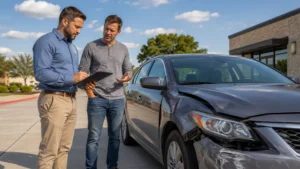
Most accident cases start here. Insurance companies send an adjuster to evaluate damage and estimate repair costs. Their appraisal determines how much they are willing to pay. But remember something important. Insurance companies aim to control costs. Their valuation may not always reflect the full financial impact of the accident.
Independent Auto Appraisal
This is where many vehicle owners turn when disputes arise. An independent professional conducts a car appraisal after accident without ties to insurance companies. Their goal is accuracy, not cost control.
Independent appraisers often provide:
- Detailed inspection reports
- Photographic documentation
- Market valuation comparisons
- Diminished value calculations
These reports carry weight during negotiations.
Legal or Court-Ordered Appraisal
Sometimes accidents lead to lawsuits. When disputes escalate into legal action, attorneys may request a professional appraisal to serve as expert evidence. Courts rely on these reports to determine compensation. The documentation must be thorough and defensible.
How the Car Appraisal Process Works
Many people imagine appraisals as a quick glance at the car and a number written on paper. In reality, the process is far more detailed. Here’s what typically happens.
Step 1: Vehicle Inspection
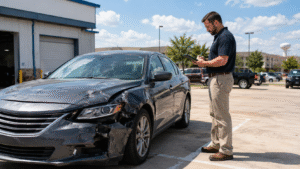
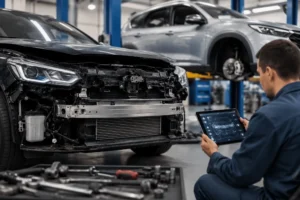
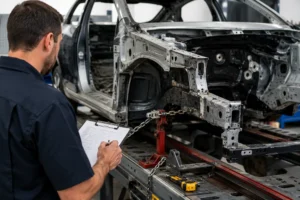
The first stage of a car appraisal after accident involves a complete physical inspection.
Appraisers analyze:
- Body damage
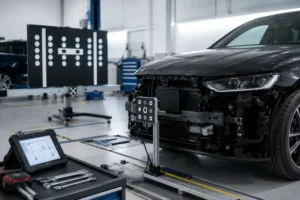
- Frame alignment
- Paint damage
- Mechanical components
- Safety systems
Hidden structural damage can dramatically reduce a vehicle’s value, even if it appears cosmetic.
Step 2: Reviewing Repair Estimates
Next comes repair analysis.
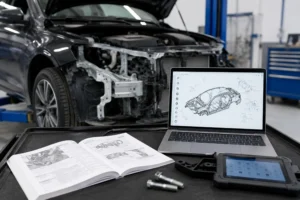
Appraisers review estimates from body shops and compare them with industry standards. They check for:
- Underestimated labor costs
- Missing repair items
- Incorrect parts pricing
- Potential hidden damage
Sometimes insurance estimates miss critical repairs. A second review can uncover thousands in additional costs.
Step 3: Market Value Analysis
Once damage is documented, the appraiser evaluates market data.
They compare similar vehicles using factors like:
- Make and model
- Year
- Mileage
- Condition before the accident
- Local market demand
This analysis establishes the pre-accident value of the vehicle.
Step 4: Appraisal Report Creation
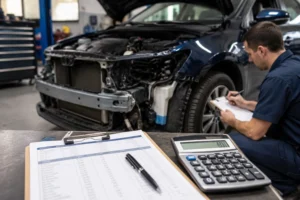
The final product is a comprehensive appraisal report.
It typically includes:
- Vehicle identification details
- Damage documentation
- Repair cost analysis
- Market comparison data
- Final post-accident value
This report becomes a powerful tool during negotiations.
Factors That Affect Car Appraisal After Accident
Not every accident affects vehicle value the same way. Several variables influence the final appraisal.
Severity of Damage
The biggest factor? Damage severity.
| Damage Type | Impact on Value |
| Minor cosmetic damage | Small depreciation |
| Moderate body damage | Noticeable value loss |
| Structural frame damage | Major value reduction |
| Airbag deployment | Significant depreciation |
Structural repairs especially raise concerns for future buyers.
Vehicle Age and Mileage
Older vehicles already experience depreciation. An accident accelerates that process. High-mileage vehicles typically lose less value from accidents than newer vehicles, but the drop still matters.
Repair Quality
Not all repairs are equal. Cars repaired using OEM parts and certified technicians maintain higher resale value compared to those repaired with aftermarket components. Poor repairs also create long-term reliability concerns.
Vehicle History Reports
Accidents are recorded in vehicle history databases such as CARFAX. Once the accident appears on the report, it follows the vehicle permanently. That history alone can reduce resale value.
Understanding Diminished Value
Even if your car looks perfect after repairs, the market may still see it differently. That difference is called diminished value.
What Is Diminished Value?
Diminished value refers to the loss of market value after a vehicle has been repaired following an accident. Buyers tend to avoid vehicles with accident histories. As a result, the car sells for less than it would have before the crash. A car appraisal after accident often calculates this lost value.
Types of Diminished Value
There are three main types.
Immediate Diminished Value
The drop in value immediately after the accident occurs.
Inherent Diminished Value
The loss caused by accident history alone even after perfect repairs.
Repair-Related Diminished Value
Loss resulting from poor repairs or visible defects. Each category contributes to the overall depreciation.
How Appraisers Calculate Diminished Value
Appraisers analyze several factors.
- Pre-accident market value
- Damage severity
- Structural repairs
- Repair quality
- Local vehicle market demand
The final diminished value estimate represents what buyers are likely to subtract from the vehicle’s price.
Common Mistakes Drivers Make After an Accident
Accidents are stressful. Decisions made in the heat of the moment can cost thousands. Here are common mistakes to avoid.
Accepting the First Insurance Offer
Insurance companies often present a quick settlement. It may sound reasonable at first glance. But without a car appraisal after accident, you may not know the true value of your claim.
Skipping a Professional Appraisal
Relying solely on insurance estimates can limit your negotiating power. Independent appraisals provide objective evidence.
Not Documenting Damage
Photos matter.
Take pictures immediately after the accident, including:
- Exterior damage
- Interior damage
- License plates
- Road conditions
This documentation supports the appraisal process.
Waiting Too Long
Time matters. The sooner an appraisal occurs, the easier it is to document the damage accurately.
How to Choose a Qualified Auto Appraiser
Not all appraisers offer the same expertise. Choosing the right professional can make a major difference in the outcome of your claim.
Credentials to Look For
Look for professionals with:
- Certified auto appraisal credentials
- Experience with accident valuations
- Knowledge of insurance disputes
- Professional appraisal reporting standards
Experience matters more than flashy marketing.
Questions to Ask Before Hiring
Before hiring an appraiser, ask:
- How many accident appraisals have you completed?
- Do you specialize in diminished value claims?
- What does your report include?
- How long will the process take?
Clear answers indicate professionalism.
Benefits of Independent Appraisers
Hiring an independent professional offers several advantages:
- Objective valuation
- Detailed documentation
- Negotiation leverage
- Protection against low settlements
Sometimes a single appraisal can increase a claim payout significantly.
Cost of a Car Appraisal After Accident
Many drivers worry about appraisal costs. The good news? Fees are often modest compared to potential claim increases.
Typical Appraisal Fees
Costs vary depending on vehicle type and complexity.
| Appraisal Type | Typical Cost |
| Basic appraisal | $100 – $300 |
| Detailed accident appraisal | $300 – $600 |
| Legal or expert appraisal | $600 – $1,000+ |
Luxury vehicles and complex claims may cost more.
Is the Cost Worth It?
Often, yes. If an appraisal increases your insurance settlement by even a few thousand dollars, the fee pays for itself immediately. Think of it as financial protection.
Tips to Protect Your Vehicle Value After an Accident
Even after a crash, you can take steps to minimize financial loss.
Get Multiple Repair Estimates
Different repair shops may produce different estimates. Comparing them reveals potential inconsistencies.
Use Certified Repair Shops
Certified technicians often follow manufacturer repair procedures, which preserves resale value.
Keep All Documentation
Save everything:
- Repair invoices
- Photos
- Insurance correspondence
- Appraisal reports
Documentation strengthens your claim.
Consider an Independent Appraisal Early
The earlier a car appraisal after accident is performed, the more accurate and useful the report becomes. Timing matters.
Final Thoughts
Accidents are disruptive. They create uncertainty about repairs, insurance claims, and the true value of your vehicle. A car appraisal after accident brings clarity to that chaos. It provides an accurate assessment of damage. It documents diminished value. And most importantly, it helps protect you from financial loss.
Insurance companies have adjusters. You deserve experts too. Whether you’re negotiating a settlement, preparing a diminished value claim, or simply trying to understand what your car is worth after a crash, a professional appraisal can make all the difference. In many cases, it’s the smartest move a vehicle owner can make after an accident.
FAQs
A car appraisal after accident is a professional evaluation that determines a vehicle’s market value after it has been damaged in a collision.
It helps establish the true value of your vehicle after a crash and can support insurance claims, settlement negotiations, or diminished value claims.
Yes, vehicle owners can hire an independent appraiser to provide an unbiased valuation if they disagree with the insurance company’s estimate.
Most appraisals take a few hours for inspection and a few days for the final report, depending on the complexity of the damage.
Appraisers evaluate structural damage, body damage, mechanical issues, repair estimates, and the vehicle’s condition before the accident.
Yes, even after quality repairs, most vehicles experience diminished value because accident history affects resale price.
Costs typically range from about $100 to $600 depending on the vehicle type, damage severity, and level of detail required.
Yes, a professional appraisal can calculate how much value your vehicle lost due to the accident and support your diminished value claim.
It’s best to schedule an appraisal soon after the accident so the damage can be accurately documented before repairs begin.
It can be helpful because an independent appraisal may confirm whether the insurance company’s total loss valuation is fair.