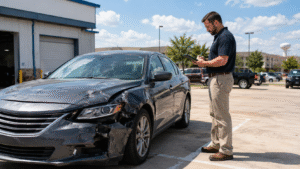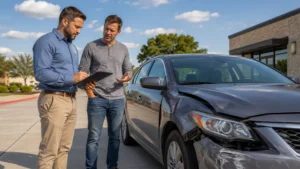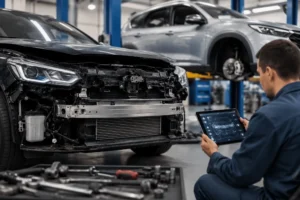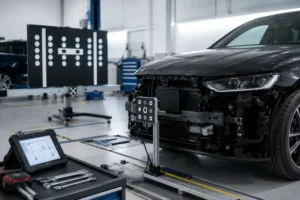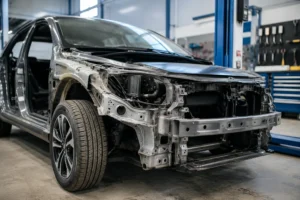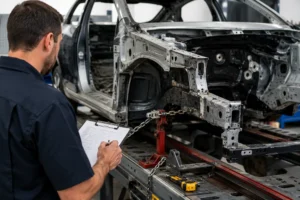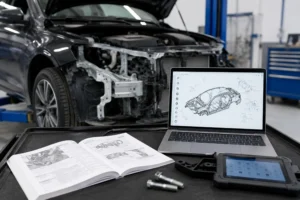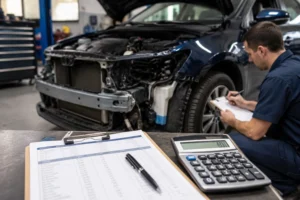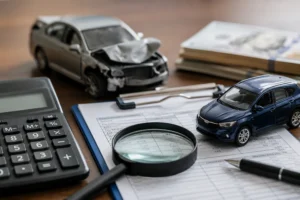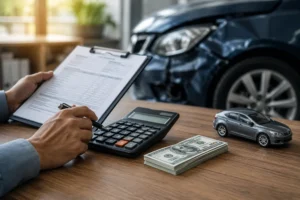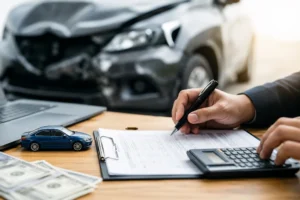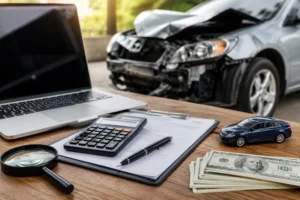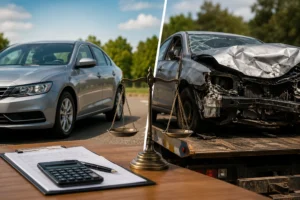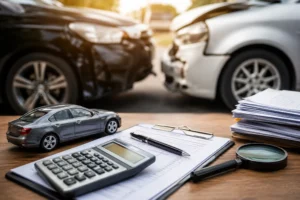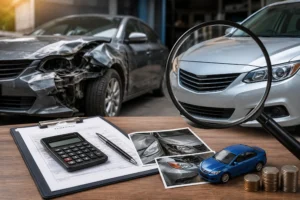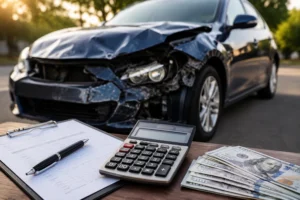
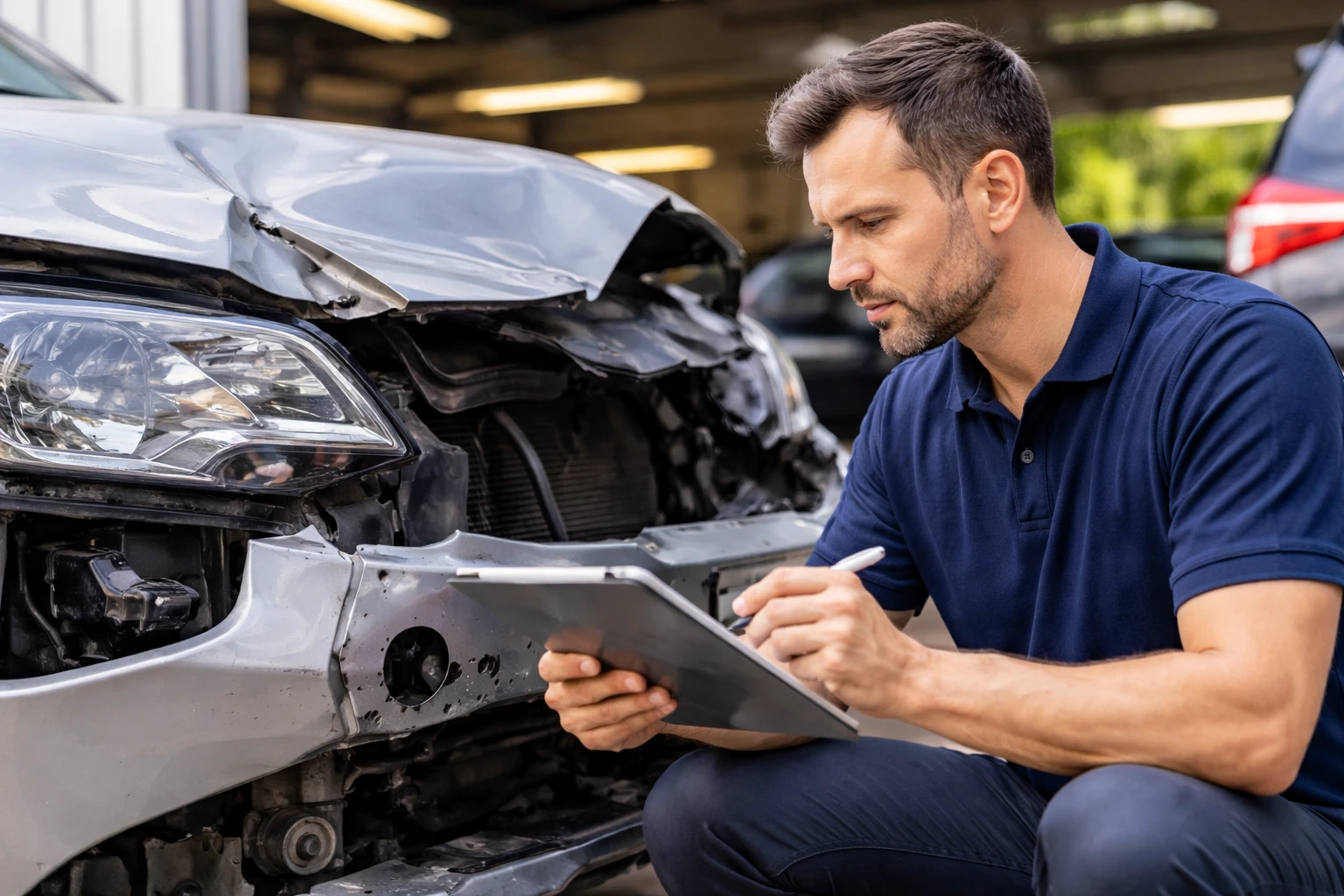
Accidents happen fast. One second everything is normal, the next you’re staring at a dented bumper, cracked headlights, or worse. That’s where a vehicle damage appraiser becomes incredibly important. This professional examines the damage, calculates repair costs, and creates an objective report that helps determine how much compensation should be paid.
In the world of insurance claims and vehicle repairs, accuracy matters. A small oversight can mean thousands of dollars lost or a repair that never fully fixes the problem. A trained vehicle damage appraiser steps in to prevent that. They evaluate damage carefully, document everything, and provide a structured estimate that keeps both vehicle owners and insurers accountable. In this guide, we’ll walk through what a vehicle damage appraiser actually does, how the appraisal process works, and why hiring one can protect your financial interests after a crash or other incident.
What Is a Vehicle Damage Appraiser?
A vehicle damage appraiser is a professional who inspects damaged vehicles and determines the cost required to restore them to their pre-loss condition. Their job sounds simple at first. Inspect the damage, estimate the cost, and write a report. But the reality is far more detailed. A proper vehicle appraisal requires knowledge of vehicle structure, repair procedures, replacement part pricing, and labor rates. A skilled vehicle damage appraiser must look beyond visible dents and scratches to identify hidden issues that might not be obvious during a quick inspection.
Typical responsibilities include:
- Inspecting damaged vehicles after accidents or incidents
- Documenting visible and structural damage
- Calculating repair costs using industry databases
- Reviewing labor and parts estimates
- Preparing formal appraisal reports for insurance or legal use
The appraiser acts as an evaluator rather than a repair technician. They don’t fix the vehicle—they determine what it should cost to fix it properly.
Why Accurate Damage Appraisals Matter
After an accident, many vehicle owners rely entirely on insurance estimates. Sometimes those estimates are fair. Other times they fall short A professional vehicle damage appraiser helps ensure that the full scope of damage is documented before repairs begin.
Without a detailed appraisal, several problems can arise:
- Hidden damage goes unnoticed
- Repair costs are underestimated
- Insurance payouts are too low
- Vehicle safety issues remain unresolved
Modern vehicles are complex machines with hundreds of components interacting together. Their design often follows principles of advanced engineering systems sometimes even reflecting mathematical concepts such as eigenvalues that help engineers understand structural behavior in mechanical models. While vehicle owners don’t need to understand the mathematics behind engineering design, it shows how intricate modern automotive systems have become.
Because of that complexity, damage evaluation requires careful professional inspection.
The Role of a Vehicle Damage Appraiser in Insurance Claims
Insurance claims involve many moving parts. Adjusters, repair shops, vehicle owners, and sometimes attorneys all participate in the process. A vehicle damage appraiser acts as a technical evaluator who provides a clear financial assessment of the damage.
Their role typically includes:
- Verifying the extent of damage
- Comparing repair estimates from body shops
- Identifying overlooked structural issues
- Determining whether a vehicle should be repaired or declared a total loss
This independent perspective can be extremely valuable when disputes arise. When repair shops and insurance companies disagree on costs, the appraiser’s report often becomes the reference point for negotiation. And that report can make a big difference.
Types of Damage a Vehicle Damage Appraiser Evaluates
Vehicle damage can come from many sources. A skilled vehicle damage appraiser must understand how each type of damage affects both safety and repair costs.
Collision Damage
This is the most common type of damage appraisers evaluate.
Collision damage may include:
- Crumpled body panels
- Bent frames
- Suspension damage
- Broken lights or glass
Even low-speed accidents can cause hidden structural issues that only trained professionals recognize.
Weather-Related Damage
Severe weather can damage vehicles in surprising ways.
Examples include:
- Hail dents across body panels
- Flood damage to electronics and interiors
- Wind-blown debris impacts
Water damage is especially serious because it can affect wiring systems and sensors throughout the vehicle.
Fire Damage
Fire damage inspections require careful analysis. Heat can weaken structural components, melt wiring, and destroy interior materials. In many cases, vehicles with significant fire damage are declared total losses.
A vehicle damage appraiser must evaluate both visible destruction and heat-related mechanical issues.
Mechanical Impact Damage
Not all damage is cosmetic. Accidents can affect engines, transmissions, or drivetrains. Even a front-end collision can push components backward, damaging expensive mechanical systems. A professional inspection ensures those costs are not overlooked.
The Vehicle Damage Appraisal Process
A professional appraisal follows a structured process. Experienced appraisers rarely rush inspections. They move step by step.
Step 1: Initial Vehicle Inspection
The process begins with a detailed inspection of the vehicle.
The appraiser examines:
- Exterior panels
- Interior damage
- Structural components
- Underbody areas
Photographs are taken from multiple angles to document the condition of the vehicle.
Step 2: Damage Documentation
Next comes detailed documentation.
Every damaged component is recorded, including:
- Scratches
- Cracks
- Structural misalignment
- Sensor or electronic damage
This stage is critical because the documentation becomes part of the official appraisal report.
Step 3: Repair Cost Estimation
The vehicle damage appraiser calculates the cost required to repair the vehicle.
Several factors influence the estimate:
- Replacement part costs
- Labor hours required for repair
- Paint and finishing work
- Calibration of sensors and electronics
Most professionals rely on industry databases to ensure estimates reflect current market pricing.
Step 4: Vehicle Value Consideration
The appraiser also evaluates the vehicle’s value before the accident occurred. This step determines whether repairs are financially reasonable. If repair costs exceed a certain percentage of the vehicle’s value, insurers may classify the car as a total loss.
Understanding this threshold is essential for accurate claim decisions.
Step 5: Final Appraisal Report
The final step is the written appraisal report.
A professional report typically includes:
- Vehicle identification details
- Inspection photographs
- Damage descriptions
- Estimated repair costs
- Supporting documentation
This report becomes the foundation for insurance negotiations or dispute resolution.
Tools Used by Modern Vehicle Damage Appraisers
Technology has changed how vehicle inspections are performed. Today’s vehicle damage appraiser often relies on specialized digital tools that improve accuracy and efficiency.
Common tools include:
- Digital estimating software
- High-resolution inspection cameras
- Vehicle diagnostic scanners
- Structural measurement systems
These tools help appraisers detect damage that may not be visible during a simple visual inspection.
Modern vehicles also include complex electronic systems, making technical knowledge more important than ever.
Skills Every Vehicle Damage Appraiser Needs
Being a good appraiser requires more than automotive knowledge. The job demands precision and analytical thinking.
Here are some of the most important skills.
Technical Automotive Knowledge
Appraisers must understand how vehicles are built and repaired. They must recognize how impacts affect structural components.
Analytical Thinking
Estimating repair costs requires careful analysis of parts, labor, and repair methods. Even small calculation errors can lead to incorrect estimates.
Attention to Detail
Details matter. A skilled vehicle damage appraiser carefully documents every issue so nothing is overlooked.
Communication Skills
Appraisers must explain their findings clearly to vehicle owners, insurers, and repair professionals. A well-written report can prevent confusion and speed up claim resolutions.
Independent Appraiser vs Insurance Company Appraiser
Not all appraisers work for the same party. Some represent insurance companies, while others operate independently.
| Feature | Independent Appraiser | Insurance Company Appraiser |
| Employer | Third-party professional | Insurance provider |
| Objective | Neutral evaluation | Represents insurer |
| When Used | Disputes or second opinions | Standard claims process |
| Flexibility | Works for vehicle owner | Works for insurance company |
Many vehicle owners hire an independent vehicle damage appraiser when they feel the initial insurance estimate is inaccurate.
When Should You Hire a Vehicle Damage Appraiser?
Not every claim requires an independent appraisal. But there are situations where it can make a big difference.
Consider hiring a vehicle damage appraiser if:
- Insurance repair estimates seem too low
- The accident caused structural damage
- The vehicle is rare, classic, or high-value
- There is a dispute between a repair shop and insurer
- Hidden damage is suspected
Professional appraisals are also helpful when selling a damaged vehicle or documenting repairs for legal claims.
How Accurate Appraisals Protect Vehicle Owners
An accurate appraisal protects vehicle owners in several ways. First, it ensures that all damage is properly documented. Second, it provides a detailed cost estimate that can be used during negotiations with insurers.
Key benefits include:
- Fair insurance settlements
- Proper repair coverage
- Clear documentation for disputes
- Greater transparency in claim decisions
The process also prevents rushed repairs that might compromise vehicle safety.
Common Challenges in Vehicle Damage Appraisals
Vehicle inspections are not always straightforward.
Appraisers often face challenges such as:
- Hidden structural damage
- Disagreements over repair methods
- Differences in parts pricing
- Determining whether repairs are economically viable
Vehicles today contain advanced electronics and safety systems. Repairing them correctly requires precision and updated technical knowledge. Even small miscalculations can create major financial differences in claim settlements.
Tips for Choosing the Right Vehicle Damage Appraiser
Hiring the right professional is important. Experience and credibility matter. Before selecting a vehicle damage appraiser, consider the following factors:
Look for experience
Choose someone who has inspected many types of vehicles and damage scenarios.
Verify certifications
Professional training or industry certifications demonstrate expertise.
Review past reports
A quality appraisal report should be detailed, clear, and professionally structured.
Check reputation
Online reviews and referrals can provide valuable insight into the appraiser’s reliability.
The Future of Vehicle Damage Appraisals
The automotive industry continues to evolve quickly. Electric vehicles, advanced driver-assistance systems, and complex electronics are changing how damage assessments are performed. The role of the vehicle damage appraiser is becoming even more technical.
New developments include:
- AI-assisted damage detection
- Remote inspection technology
- Automated repair cost databases
- Advanced vehicle scanning tools
These innovations will help appraisers perform inspections faster and more accurately. But the human element will remain important. Experience, judgment, and attention to detail still matter.
Final Thoughts
Accurate vehicle damage assessments are essential after accidents. Without proper documentation, vehicle owners may receive settlements that fall short of the actual repair costs. That’s where a skilled vehicle damage appraiser plays a vital role.
They inspect carefully. They calculate repair costs precisely. And they produce reports that help ensure fair outcomes during insurance claims. In a process that can feel overwhelming, their work brings clarity and confidence. When damage occurs, having an expert evaluation on your side can make all the difference.
FAQs
A vehicle damage appraiser inspects damaged vehicles, documents the damage, and estimates the cost required to repair the vehicle to its pre-accident condition.
You should consider hiring one after a serious accident, when an insurance estimate seems too low, or when there is a dispute over repair costs.
No, insurance adjusters represent the insurance company, while a vehicle damage appraiser may work independently to provide an unbiased evaluation.
Most inspections take one to two hours, but the full appraisal report may take a day or two depending on the complexity of the damage.
Yes, experienced appraisers are trained to recognize signs of hidden structural or mechanical damage that may not be visible at first glance.
A typical report includes vehicle details, photos of the damage, a description of affected components, and an estimate of repair costs.
Many insurance companies review independent appraisal reports during claim negotiations, especially when disputes arise.
Costs vary depending on the vehicle and the complexity of the inspection, but many appraisals range from a few hundred dollars to higher for specialized evaluations.
Yes, appraisers compare repair costs with the vehicle’s pre-accident value to determine whether repairing the vehicle is financially reasonable.
Most professional appraisers have automotive industry experience and may hold certifications or specialized training in vehicle inspection and repair estimation.