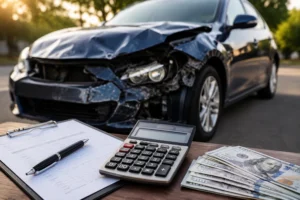

If you’re trying to determine how much does a car appraisal cost, you’re asking a smart question. Vehicle values can vary widely depending on condition, mileage, market demand, and documentation. Guessing your car’s value can lead to costly mistakes. A professional appraisal removes the guesswork.
I’ve seen people rely on online estimates only to realize later their vehicle was worth thousands more or less than expected. That’s where professional vehicle appraisals step in. They provide a documented, research-backed valuation that can be used for insurance, legal matters, sales negotiations, and financial planning.
So let’s break it down clearly. By the end of this guide, you’ll know how much does a car appraisal cost, what factors affect the price, and when paying for an appraisal is absolutely worth it.
What Is a Car Appraisal?
A car appraisal is a professional evaluation that determines the true market value of a vehicle. This is not a quick estimate. It’s a structured process conducted by trained appraisers who inspect the vehicle, review documentation, and analyze current market data.
The goal is simple: produce a defensible valuation report that accurately reflects the vehicle’s worth.
What Appraisers Examine
Professional appraisers look at multiple factors when evaluating a vehicle:
- Vehicle condition
- Mileage
- Accident history
- Service records
- Modifications
- Market demand
- Comparable vehicle sales
They also verify identifying details such as the VIN and original equipment specifications.
A good appraisal blends inspection, research, and documentation.
Situations Where Car Appraisals Are Needed
Vehicle appraisals are used in more situations than many people realize. Some of the most common include:
- Insurance coverage for classic cars
- Accident-related diminished value claims
- Divorce asset division
- Estate settlements
- Vehicle sales negotiations
- Loan or financing documentation
Whenever a vehicle’s true market value matters, a professional appraisal becomes extremely useful.
How Much Does a Car Appraisal Cost on Average?
Let’s address the question directly: how much does a car appraisal cost?
Most professional vehicle appraisals range from $650 to $1,500+, depending on the purpose of the appraisal, the complexity of the vehicle, and the level of documentation required. Specialized reports involving insurance disputes, diminished value claims, classic vehicles, or legal matters may exceed these ranges.
Basic vehicle appraisals tend to be affordable. Detailed inspections for rare or collectible vehicles may require more time and expertise.
Typical Price Ranges
Here’s a simple breakdown of common appraisal costs.
| Appraisal Type | Typical Cost Range |
| Basic vehicle appraisal | $650 – $850 |
| Insurance appraisal | $650 – $1,200 |
| Classic car appraisal | $750 – $1,500+ |
| Diminished value appraisal | $650 – $1,500+ |
These ranges vary based on location, appraiser expertise, and inspection depth.
But overall, the answer to how much does a car appraisal cost depends heavily on why you need the appraisal.
Factors That Affect the Cost of a Car Appraisal
Not all vehicles require the same level of inspection. Several factors influence the final appraisal price.
Let’s explore the biggest ones.
1. Type of Vehicle
The kind of vehicle being evaluated plays a major role in pricing.
A standard sedan with average mileage is relatively simple to appraise. A rare collectible sports car is not.
Vehicles that often require more complex appraisals include:
- Classic cars
- Exotic vehicles
- Heavily modified vehicles
- Vintage trucks
- Limited production models
These require deeper research and expertise.
2. Purpose of the Appraisal
Why you need the appraisal also matters.
Different purposes require different levels of documentation.
Examples include:
- Insurance valuation
- Legal disputes
- Accident diminished value claims
- Estate settlement
- Pre-purchase inspection
Legal or insurance appraisals typically require more detailed reports, which increases cost.
3. Depth of Inspection
Some appraisals involve quick visual inspections. Others require extensive documentation.
A detailed appraisal may include:
- Full vehicle inspection
- Paint and body condition grading
- Interior condition assessment
- Mechanical review
- Photo documentation
- Comparable vehicle market analysis
More work equals higher cost.
4. Appraiser Travel Requirements
Sometimes the appraiser travels to the vehicle location.
Travel fees may apply if:
- The vehicle is stored in a private garage
- The car is located outside the appraiser’s service area
- The vehicle cannot be transported
Mobile appraisal services are convenient, but travel costs can add to the total price.
5. Appraiser Expertise
Experienced appraisers often charge higher fees.
But expertise matters especially when dealing with rare or collectible vehicles.
Qualified professionals rely on structured evaluation methods that combine inspection, documentation, and market comparison. In fields that require rigorous classification and documentation, similar structured evaluation systems are sometimes described using complex organizational frameworks such as taxonomy, which refers to systematic classification.
While vehicle appraisal is not taxonomy itself, the principle of structured categorization and analysis helps ensure the appraisal process remains consistent and defensible.
Types of Car Appraisals and Their Typical Costs
Different appraisal services exist depending on the situation.
Understanding these categories helps explain how much does a car appraisal cost in different scenarios.
Insurance Appraisals
Insurance companies often require appraisals for:
- Classic cars
- Collector vehicles
- Custom vehicles
These appraisals establish an agreed value policy, ensuring the vehicle is properly insured.
Typical cost: $650–$1,200
Classic Car Appraisals
Classic vehicles require specialized knowledge.
Appraisers must evaluate:
- Original components
- Restoration quality
- Historical value
- Market demand for the model
Because of the research involved, classic car appraisals often cost more.
Typical cost: $750–$1,500+
Diminished Value Appraisals
After an accident, a vehicle may lose resale value even if it’s fully repaired.
This is called diminished value.
A diminished value appraisal determines how much value the vehicle lost after the accident. These reports are often used in insurance disputes.
Typical cost: $650–$1,500+
Pre-Purchase Appraisals
Buyers sometimes request an appraisal before purchasing a vehicle.
This helps determine whether the seller’s price is reasonable.
Typical cost: $650–$950
What Is Included in a Professional Car Appraisal?
When people ask how much does a car appraisal cost, they often overlook the amount of work involved.
A professional appraisal report usually includes:
- Vehicle identification verification
- Physical inspection
- Mechanical condition notes
- Interior and exterior condition grading
- Photo documentation
- Comparable vehicle analysis
- Market research
- Final valuation report
This report becomes a formal record of value.
In legal situations, that documentation can be extremely important.
Is a Car Appraisal Worth the Cost?
In many cases, absolutely.
While a professional appraisal may cost several hundred dollars or more, it can prevent mistakes that cost thousands. Accurate valuation becomes especially important when insurance claims, legal disputes, collector vehicles, or significant financial decisions are involved.
Situations Where Appraisals Save Money
Consider these examples:
- Insurance company undervalues your car after an accident
- You sell a collectible car below its true value
- A buyer offers far less than the vehicle is worth
- Estate disputes arise over asset values
A professional appraisal provides independent documentation that supports the correct value.
And that documentation can carry serious weight.
Can You Get a Free Car Appraisal?
Yes—but with limitations.
Free vehicle estimates exist, but they’re not the same as professional appraisals.
Online Pricing Tools
Online valuation tools provide quick estimates.
However, they rarely account for:
- Vehicle condition
- Custom modifications
- Service history
- Rare options
These tools offer ballpark figures, not professional valuations.
Dealership Trade-In Appraisals
Dealerships may offer free trade-in appraisals.
But remember their goal is to buy the vehicle. The valuation may reflect that.
Free estimates can be useful for general guidance, but they rarely replace a certified appraisal.
How to Choose the Right Car Appraiser
Choosing the right professional matters.
Look for the following qualities:
- Experience with your vehicle type
- Clear pricing structure
- Detailed written reports
- Strong reviews from past clients
- Certification or professional credentials
Ask questions before hiring an appraiser. A reputable professional should be transparent about the process.
Tips for Reducing Car Appraisal Costs
While appraisals are usually affordable, a few strategies can keep costs lower.
Prepare Documentation
Provide key documents in advance:
- Service records
- Vehicle title
- Repair receipts
- Modification documentation
This reduces research time.
Clean the Vehicle
A clean vehicle helps the inspection process.
It allows the appraiser to assess condition quickly and accurately.
Compare Quotes
Contact multiple appraisal services before booking.
Prices can vary significantly depending on expertise and location.
How the Car Appraisal Process Works
The process is usually straightforward.
Here’s what typically happens.
Step 1: Contact the Appraiser
You provide basic vehicle information:
- Make and model
- Year
- Mileage
- Location
- Purpose of appraisal
Step 2: Schedule the Inspection
The appraiser schedules either:
- In-person inspection
- Photo-based evaluation
- Hybrid inspection process
Step 3: Vehicle Inspection
The appraiser documents:
- Exterior condition
- Interior condition
- Mechanical features
- Vehicle identification details
Photographs are often taken during this stage.
Step 4: Market Research
The appraiser compares the vehicle with similar listings and recent sales.
This research helps determine the vehicle’s realistic market value.
Step 5: Final Report Delivery
The completed appraisal report typically includes:
- Photos
- Vehicle condition analysis
- Comparable market data
- Final valuation
Reports are often delivered within 24–72 hours.
Final Thoughts: Understanding How Much a Car Appraisal Costs
So, how much does a car appraisal cost?
In most situations, you can expect to pay $650 or more for a professional vehicle appraisal, with specialized reports often ranging from $1,000 to $1,500+ depending on the complexity of the assignment.
The exact price depends on:
- Vehicle type
- Purpose of the appraisal
- Inspection depth
- Appraiser expertise
- Location of the vehicle
For many vehicle owners, the cost of an appraisal is small compared to the financial protection it provides.
Whether you’re selling a car, disputing an insurance claim, or protecting a valuable collector vehicle, a professional appraisal provides clarity, documentation, and confidence. And when real money is on the line, that peace of mind can be worth every dollar.
FAQs
Most professional vehicle appraisals start around $650 and can exceed $1,500 for complex assignments involving collector vehicles, insurance disputes, diminished value claims, or detailed documentation requirements.
Appraisal costs vary based on factors like vehicle type, the purpose of the appraisal, inspection depth, and the experience level of the appraiser.
Yes. Classic and collectible car appraisals usually cost more because they require specialized knowledge, historical research, and detailed documentation.
Some insurance companies require professional appraisals for classic, modified, or high-value vehicles to determine an agreed value for coverage.
Free estimates may be available from dealerships or online valuation tools, but they typically lack the documentation and credibility of a professional appraisal.
Most inspections take 30 minutes to a few hours, while the final written report is usually delivered within 24 to 72 hours.
In many cases it is, especially when selling a vehicle, resolving insurance disputes, or valuing a classic car where accuracy can protect thousands of dollars.
You should provide details such as the vehicle identification number (VIN), mileage, service records, repair receipts, and modification documentation.
Many appraisers perform in-person inspections, though some services allow remote appraisals using photos and documentation provided by the owner.
For collector or classic vehicles, experts often recommend updating the appraisal every two to three years to reflect changing market values.