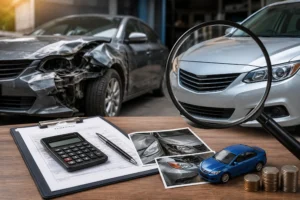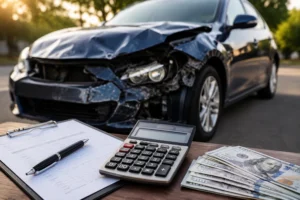
Buying or selling a vehicle is rarely just about the sticker price. Numbers matter, but accuracy matters even more. That’s exactly why many people ask how does a car appraisal work before making big decisions involving their vehicle. Whether you’re dealing with insurance claims, selling privately, settling an estate, or negotiating a trade-in, understanding how does a car appraisal work can help you protect your money and avoid costly mistakes.
I’ve seen many vehicle owners assume that a quick online estimate or dealership offer represents the true value of their car. Sometimes it’s close. Often it isn’t. A professional appraisal digs deeper. Much deeper. It evaluates condition, market demand, history, and dozens of smaller factors that influence what your vehicle is actually worth in the real world.
Let’s walk through the full process. Step by step. By the end, you’ll understand exactly how does a car appraisal work, what professionals look for, and how you can prepare your vehicle to receive the most accurate valuation possible.
What Is a Car Appraisal?
A car appraisal is a professional assessment that determines the fair market value of a vehicle at a specific point in time. The process is structured and evidence-based. It isn’t guesswork.
An appraisal considers:
- Vehicle condition
- Market demand
- Comparable sales
- Vehicle history
- Mileage and wear
- Optional features
The final result is a documented valuation supported by data.
This is different from a simple price estimate. Online tools generate estimates using average market trends. A professional appraisal evaluates the specific vehicle sitting in front of the appraiser.
And that difference can mean thousands of dollars.
Why Car Appraisals Matter
Vehicles represent a significant financial asset. When disputes arise or important transactions occur, an accurate valuation becomes essential.
Here are common situations where car appraisals are used:
- Insurance claims after accidents
- Selling a vehicle privately
- Buying a used vehicle
- Divorce asset division
- Estate settlements
- Collector car insurance
- Diminished value claims
When people ask how does a car appraisal work, they’re usually trying to answer a larger question: What is my vehicle truly worth right now?
An appraisal provides that answer with documentation.
Who Performs a Car Appraisal?
Not every valuation carries the same credibility. The person performing the appraisal plays a major role.
Professional Auto Appraisers
Independent appraisers specialize in vehicle valuation. Many hold certifications or work for companies focused entirely on appraisal services.
They evaluate:
- Market pricing data
- Vehicle condition standards
- Industry valuation guidelines
Because they are independent, their valuations are often used in legal disputes or insurance negotiations.
Insurance Adjusters
Insurance companies often send adjusters to assess vehicles after accidents. Their job is to determine:
- Repair costs
- Total loss value
- Claim payouts
While adjusters perform valuations, their role is tied to the insurance company’s interests.
Dealership Appraisers
Dealerships appraise vehicles primarily for trade-ins. Their valuation considers:
- Profit margins
- Reconditioning costs
- Local resale demand
This means the trade-in value may differ from a full independent appraisal.
Types of Car Appraisals
Understanding the purpose of the appraisal helps explain how does a car appraisal work in different scenarios.
Insurance Appraisal
Used when a vehicle is damaged or totaled. The goal is to determine compensation value.
Pre-Purchase Appraisal
Buyers hire appraisers before purchasing a used car. This prevents overpaying for vehicles with hidden issues.
Diminished Value Appraisal
Even after repairs, accident history can lower a vehicle’s resale value. This type of appraisal calculates that loss.
Classic Car Appraisal
Collector vehicles require specialized evaluation because standard market pricing doesn’t apply.
Estate or Legal Appraisal
Used when vehicles are part of asset distribution in probate or legal cases.
Step-by-Step: How a Car Appraisal Works
Now we reach the heart of the process. If you’ve been wondering how does a car appraisal work, this is where the mechanics of valuation become clear.
Step 1: Collecting Vehicle Information
The process begins with documentation.
Appraisers gather basic details such as:
- Make and model
- Model year
- Vehicle Identification Number (VIN)
- Mileage
- Trim level
- Optional equipment
These details form the foundation for further research.
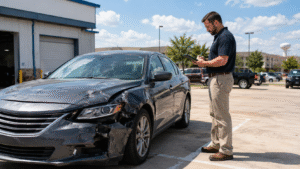
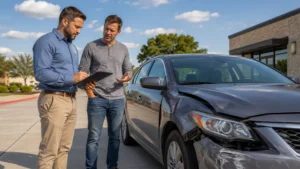
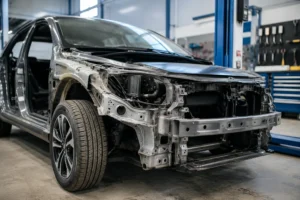
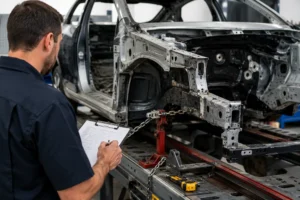
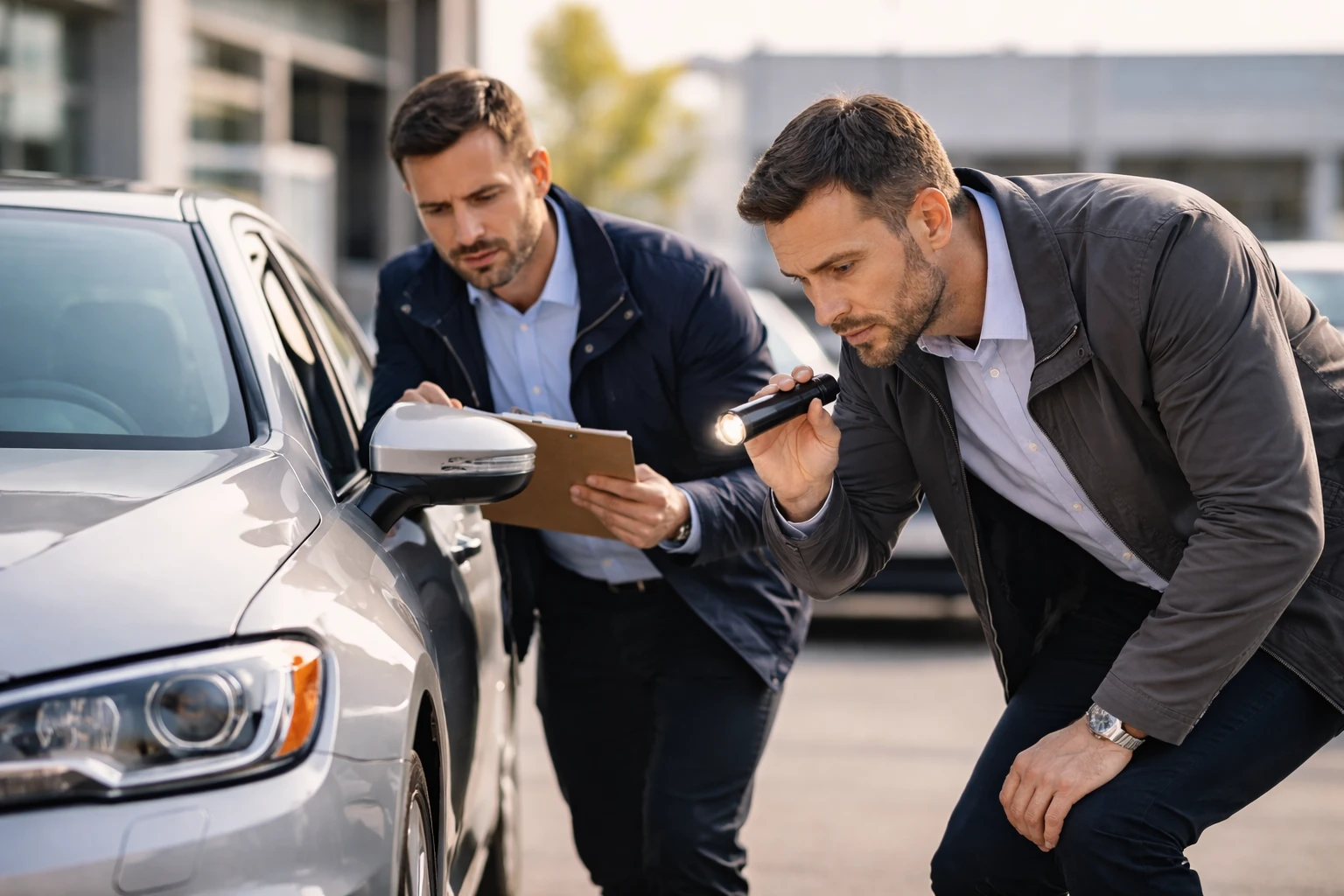
Step 2: Physical Vehicle Inspection
Next comes the hands-on evaluation.
Appraisers inspect:
- Exterior paint condition
- Interior wear
- Mechanical performance
- Tire condition
- Signs of previous repairs
Small issues matter. Scratches, worn upholstery, or mechanical noises can all influence value.
Step 3: Reviewing Vehicle History
History tells a story. And sometimes that story affects value dramatically.
Appraisers review records such as:
- Accident history
- Title status
- Service records
- Previous ownership
Vehicles with clean histories generally command higher values.
Step 4: Market Research
Now the appraiser compares the vehicle to others currently selling in the market.
This includes:
- Dealer listings
- Private sales
- Auction results
- Online marketplaces
The goal is to determine where the vehicle fits in the broader pricing landscape.
In analytical research fields, systematic comparison methods are sometimes described using complex statistical frameworks like Multivariate analysis, which examine how multiple variables interact when determining outcomes. While car appraisers don’t run academic statistical models during every valuation, the concept illustrates how multiple factors—condition, mileage, demand, and history combine to shape a final value.
For example, if similar vehicles sell between $16,000 and $18,000, the appraiser narrows the estimate based on condition and mileage.
Step 5: Condition Grading
Professional appraisers often use standardized grading systems.
A typical scale might look like this:
| Condition Grade | Description |
| Excellent | Nearly new condition with minimal wear |
| Very Good | Minor cosmetic issues but well maintained |
| Good | Normal wear consistent with age |
| Fair | Noticeable wear or minor mechanical issues |
| Poor | Significant damage or mechanical problems |
This grade heavily influences final value.
Step 6: Adjusting for Mileage and Features
Mileage has a direct impact on value.
Lower mileage generally means less wear and longer remaining lifespan. But mileage alone doesn’t tell the whole story.
Appraisers also consider:
- Premium trim packages
- Technology features
- Safety upgrades
- Performance modifications
Some upgrades increase value. Others do not.
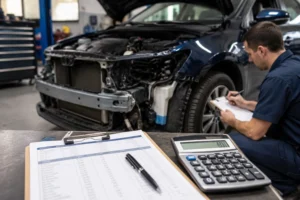
Step 7: Producing the Appraisal Report
The final step is documentation.
A professional appraisal report usually includes:
- Vehicle identification information
- Inspection notes
- Market comparison data
- Condition grading
- Final valuation conclusion
This report becomes official documentation for insurance, legal cases, or private transactions.
At this stage, the entire question of how does a car appraisal work becomes visible in a structured, evidence-based format.
Factors That Influence Car Appraisal Value
Even similar vehicles can receive very different valuations depending on several key factors.
Vehicle Condition
Condition remains one of the most influential variables.
Appraisers assess:
- Paint quality
- Interior cleanliness
- Mechanical soundness
- Structural integrity
A well-maintained car always performs better during appraisal.
Mileage
Mileage acts as a rough indicator of vehicle wear.
Lower mileage often results in higher value, though condition and maintenance still matter.
Vehicle History
Accidents, flood damage, and salvage titles reduce value.
Even well-repaired vehicles may suffer from lower resale prices due to their history.
Market Demand
Certain vehicles hold stronger demand.
Examples include:
- Reliable commuter cars
- Fuel-efficient vehicles
- Popular SUVs and trucks
When demand rises, values rise with it.
Geographic Market Differences
Vehicle prices can vary depending on location.
| Region | Vehicles in High Demand |
| Urban cities | Compact cars |
| Rural areas | Pickup trucks |
| Cold climates | AWD vehicles |
Local demand influences appraisal outcomes.
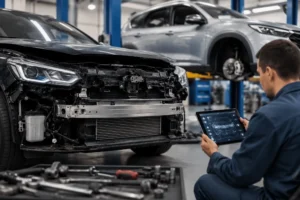
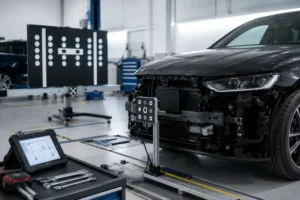
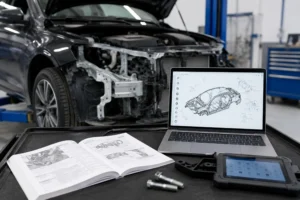
Tools Appraisers Use
Professional appraisers rely on multiple data sources to support valuations.
These may include:
- Vehicle pricing databases
- Dealer sales reports
- Auction price data
- Market analytics tools
- Vehicle history reports
The goal is accuracy through cross-referenced information.
How Long Does a Car Appraisal Take?
Many people expect the process to take hours. In reality, most appraisals move quickly.
| Type of Appraisal | Estimated Time |
| Physical inspection | 30–60 minutes |
| Market research | 1–2 hours |
| Final report preparation | 24–48 hours |
Collector car appraisals may take longer due to specialized research.
Car Appraisal vs Car Inspection
These terms often get confused.
| Feature | Car Appraisal | Car Inspection |
| Purpose | Determine vehicle value | Evaluate safety and condition |
| Focus | Market pricing | Mechanical reliability |
| Output | Valuation report | Mechanical inspection report |
In many cases, buyers use both services together.
How to Prepare Your Car for an Appraisal
Preparation can significantly influence results.
Clean the Vehicle
Presentation matters. A detailed car allows appraisers to inspect condition more accurately.
Gather Maintenance Records
Bring documentation such as:
- Oil change records
- Repair receipts
- Service reports
Fix Minor Cosmetic Issues
Small improvements can influence perceived value:
- Repair minor scratches
- Replace worn mats
- Clean upholstery
Cost of a Professional Car Appraisal
Costs vary depending on the vehicle and purpose of the appraisal.
| Appraisal Type | Typical Cost |
| Standard vehicle appraisal | $100 – $300 |
| Insurance dispute appraisal | $200 – $500 |
| Classic car appraisal | $300 – $800 |
While there is a cost involved, the accuracy provided can easily justify the investment.
Common Misconceptions About Car Appraisals
Many myths surround vehicle valuation.
Online Value Tools Are Always Accurate
They provide averages. Not precise valuations.
Appraisals Are Only for Expensive Cars
Any vehicle can benefit from an accurate valuation.
Dealership Trade-In Values Are the Same as Appraisals
Trade-ins often reflect dealership profit margins rather than full market value.
Final Thoughts
So, how does a car appraisal work in the real world?
It’s a structured process built on inspection, research, and documentation. Appraisers analyze vehicle condition, study market data, compare similar sales, and produce a report that reflects the vehicle’s true value at a specific moment in time.
For vehicle owners, that knowledge becomes powerful.
It prevents underpricing when selling.
It strengthens negotiations with insurance companies.
And it provides confidence when buying or trading a vehicle.
When the numbers matter and they almost always do understanding how does a car appraisal work ensures you’re making decisions based on facts, not guesses.
FAQs
A car appraisal is a professional evaluation that determines the current market value of a vehicle based on its condition, history, mileage, and market demand.
An appraiser inspects the vehicle’s exterior, interior, and mechanical condition, then compares it with similar vehicles in the market to calculate a fair value.
The physical inspection typically takes 30–60 minutes, while the full appraisal report is usually completed within 24–48 hours.
While not required, a professional appraisal can help you set a realistic asking price and negotiate confidently with buyers.
Key factors include mileage, vehicle condition, accident history, market demand, location, and any optional features or upgrades.
Most standard car appraisals cost between $100 and $300, though specialized or classic vehicle appraisals may cost more.
Not exactly dealership appraisals are usually trade-in estimates, while professional appraisals aim to determine the vehicle’s true market value.
Some appraisals can be completed remotely using photos and vehicle information, but in-person inspections are often more accurate.
Common situations include selling a car, filing an insurance claim, resolving legal disputes, or determining the value of a classic or collector vehicle.
Yes, vehicles with prior accidents or damage typically receive lower valuations because accident history can reduce resale value.