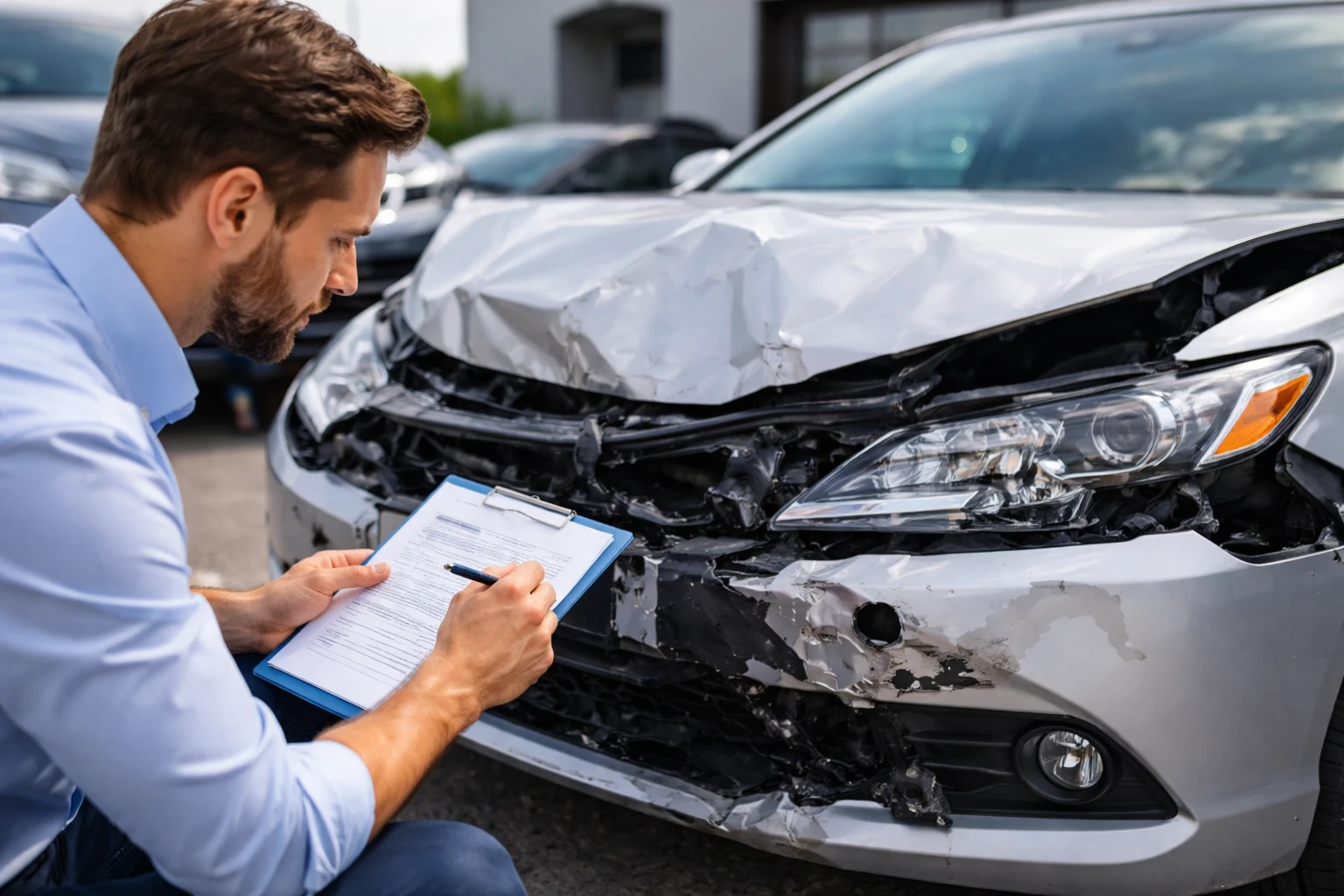
A car accident can turn an ordinary day upside down in seconds. One moment you’re driving normally. The next, you’re dealing with insurance calls, repair estimates, and a damaged vehicle sitting in a shop parking lot. In situations like this, a car accident insurance appraisal becomes incredibly important. It helps determine the true financial impact of the crash and ensures that the compensation offered by the insurer reflects the real value of the damage. I’ve seen many drivers rush through the claims process only to discover later that their settlement barely covered repairs. That’s frustrating. Sometimes expensive. And often avoidable.
A professional car accident insurance appraisal provides a structured evaluation of vehicle damage, repair costs, and the car’s overall value. It turns uncertainty into documentation. Instead of relying on a quick estimate, you get a detailed report that can guide negotiations with the insurance company. Let’s break down how the process works and why it matters.
What Is a Car Accident Insurance Appraisal?
A car accident insurance appraisal is a professional evaluation of a vehicle after a collision. The goal is simple: determine the financial value of the damage and help establish how much an insurance company should pay. Unlike a quick repair estimate, an appraisal looks deeper. It examines the full condition of the vehicle, including structural damage, parts replacement costs, and the vehicle’s market value before the accident.
The appraisal usually includes three core elements:
- A physical inspection of the vehicle
- A detailed report outlining all damage
- A valuation analysis comparing the vehicle to similar models on the market
Insurance companies rely on this information when calculating settlements. But appraisals are also used when disputes arise or when a vehicle owner wants a second opinion.
Think of it as documentation that strengthens your position during a claim.
Why Car Accident Insurance Appraisals Matter
Insurance claims move fast. Adjusters handle dozens of cases every week. Because of that pace, initial repair estimates can sometimes overlook important damage.
A car accident insurance appraisal brings clarity to the situation.
Here’s why it matters so much:
- It verifies the real cost of repairs
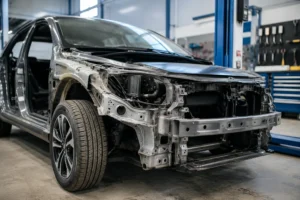
- It identifies hidden structural damage
- It establishes the vehicle’s pre-accident value
- It provides evidence during claim disputes
Without a proper appraisal, drivers sometimes accept settlements that fall short of what the repairs actually cost. And once you sign a settlement agreement, reopening the claim can be extremely difficult. That’s why documentation is power in the claims process.
When You Need a Car Accident Insurance Appraisal
Not every accident requires a detailed appraisal. Minor fender benders can often be resolved with a simple repair estimate. However, there are situations where a car accident insurance appraisal becomes essential.
Major Collision Damage
If the crash caused severe damage, an appraisal helps determine the true extent of repairs.
This often includes:
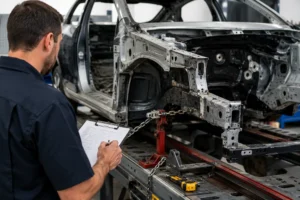
- Frame or structural damage
- Suspension issues
- Airbag deployment
- Damage across multiple vehicle systems
Large repairs can easily exceed initial estimates, so professional evaluation becomes critical.
Disputed Insurance Claims
Sometimes an insurer’s repair estimate feels surprisingly low. It happens more often than drivers expect. When that occurs, a car accident insurance appraisal can provide an independent evaluation to compare against the insurer’s assessment. This documentation can be used during negotiations.
Classic, Luxury, or Specialty Vehicles
Vehicles with unique value need special attention.
Examples include:
- Classic collector cars
- High-end luxury vehicles
- Custom builds
- Rare imports
Standard insurance valuation tools may not accurately reflect their true market value.
Total Loss Evaluations
When repair costs approach the vehicle’s value, insurance companies may declare the vehicle a total loss. An appraisal helps determine whether that decision is accurate. Sometimes a vehicle is repairable. Other times the insurance payout should be higher. A detailed appraisal clarifies both possibilities.
The Car Accident Insurance Appraisal Process
Understanding the appraisal process makes the claims experience much easier. The steps are structured, but each inspection may vary slightly depending on the vehicle and damage level. Let’s walk through the typical process.
Step 1: Initial Vehicle Inspection
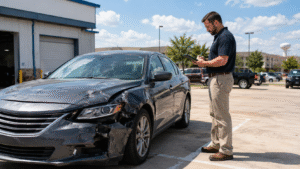
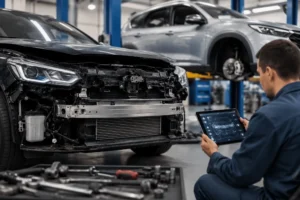
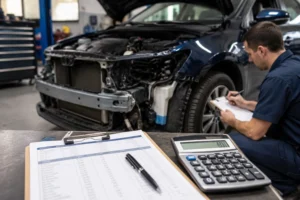
The first step in a car accident insurance appraisal is a full inspection of the vehicle.
The appraiser examines:
- Body damage
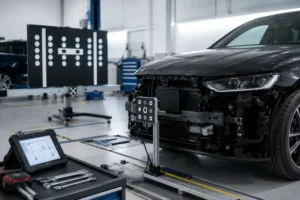
- Structural integrity
- Mechanical components
- Safety systems
The inspection may take place at a repair shop, storage yard, or even the owner’s home depending on the situation. Photos and notes are taken throughout the process.
Step 2: Damage Documentation
Next comes documentation.
Every visible issue is recorded carefully, including:
- Cracked panels
- Bent frames
- Paint damage
- Broken lights and glass
This stage is extremely detailed. Accurate documentation prevents repair items from being overlooked later.
Step 3: Repair Cost Estimation
Once the damage is documented, the appraiser calculates repair costs.
This includes:
- Replacement parts
- Labor hours
- Paint and refinishing
- Mechanical adjustments
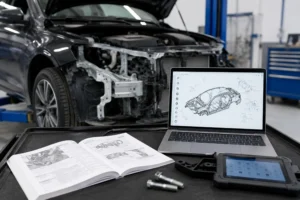
Specialized repair software is often used to estimate labor time and parts pricing.
Step 4: Vehicle Value Assessment
The appraisal also evaluates the vehicle’s value before the accident.
Factors considered include:
- Age of the vehicle
- Mileage
- Maintenance history
- Local market sales data
The goal is to determine what the car was worth immediately before the accident occurred.
Step 5: Final Appraisal Report
After the inspection and calculations are complete, the appraiser prepares a detailed report.
This document typically includes:
- Damage photographs
- Repair estimates
- Vehicle valuation analysis
- Appraiser conclusions
The report can then be submitted to the insurance company or used during claim negotiations.
Factors That Influence a Car Accident Insurance Appraisal
Every vehicle is different. Because of that, several variables influence the outcome of a car accident insurance appraisal. Here are the most common factors.
Vehicle Age and Mileage
Older vehicles generally have lower market value due to depreciation. Mileage also plays a role. A car with 30,000 miles will typically appraise higher than the same model with 150,000 miles.
Extent of Damage
The type of damage greatly impacts the appraisal result. Two cars may look similar after an accident, but one could have hidden structural damage. Structural issues significantly increase repair costs.
Replacement Parts
Parts selection also affects appraisal results.
Two options are often considered:
- Original Equipment Manufacturer (OEM) parts
- Aftermarket parts
OEM parts usually cost more but match the original vehicle specifications.
Market Value of the Vehicle
Appraisers compare the damaged vehicle with similar models recently sold in the market.
This comparison helps determine the fair pre-accident value.
Location can even influence this data since vehicle prices vary by region.
Insurance Appraisal vs Repair Estimate
Many drivers assume these two things are identical. They are not.
Here is a clear comparison.
| Feature | Insurance Appraisal | Repair Estimate |
| Purpose | Determines total claim value | Estimates repair cost |
| Prepared By | Professional auto appraiser | Auto repair technician |
| Scope | Damage + vehicle value | Repair work only |
| Use | Insurance settlement negotiations | Repair planning |
A repair estimate focuses only on fixing the vehicle.
A car accident insurance appraisal looks at the entire financial impact of the crash.
What Happens If You Disagree With the Insurance Appraisal?
Disagreements sometimes occur during insurance claims. If you believe the insurance company undervalued your vehicle or repair costs, you have options. Most policies include something called an appraisal clause. This clause allows both parties to hire independent appraisers.
Here’s how the process usually works:
- The vehicle owner hires an appraiser
- The insurance company hires its own appraiser
- Both appraisers compare their findings
- If needed, a neutral umpire helps resolve differences
This process can help reach a fair resolution without going to court.
Benefits of Hiring an Independent Auto Appraiser
Insurance adjusters work for the insurance company. Independent appraisers work for the vehicle owner.
That distinction matters.
An independent car accident insurance appraisal can provide:
- Objective damage evaluation
- Detailed documentation
- Professional claim support
- Stronger negotiating position
For serious accidents or disputed claims, many drivers feel more confident having their own professional evaluation.
Tips for Getting an Accurate Car Accident Insurance Appraisal
Drivers can take several steps to improve the accuracy of their appraisal. Small actions early in the process can make a big difference later.
Document the Damage Immediately
If it’s safe to do so, take photos right after the accident.
Capture:
- Exterior damage
- Interior damage
- The accident scene
Photos help preserve evidence before repairs begin.
Keep Repair Records
Save every document related to the claim.
Important records include:
- Repair estimates
- Parts invoices
- Maintenance history
These documents support the appraisal process.
Choose Qualified Appraisers
Experience matters.
Look for appraisers who specialize in:
- Insurance claims
- collision damage evaluation
- vehicle valuation analysis
Professional credentials and industry experience can significantly improve report accuracy.
Understand Your Insurance Policy
Insurance policies contain important details about how disputes are handled.
Review sections related to:
- appraisal clauses
- total loss procedures
- claim documentation requirements
Understanding your rights makes the claims process far less stressful.
Common Mistakes Drivers Make During Insurance Appraisals
Some drivers unknowingly weaken their claim by making simple mistakes.
Here are a few to avoid.
- Accepting the first insurance estimate without review
- Failing to photograph vehicle damage
- Discarding repair receipts
- Ignoring potential structural damage
A car accident insurance appraisal is only as strong as the documentation supporting it.
Being organized helps tremendously.
How Long a Car Accident Insurance Appraisal Takes
The timeline for an appraisal depends on several factors. Simple cases may take only a few days. Complex claims can take longer.
Typical timeframes include:
- Inspection scheduling: 1–3 days
- Damage analysis: 1–2 days
- Report preparation: 2–4 days
Most car accident insurance appraisal reports are completed within a week. However, disputes or additional inspections can extend the process.
The Future of Car Damage Appraisals
Technology is changing how appraisals are performed. Digital tools are making the process faster and more precise.
Some innovations include:
- Remote inspections using smartphone photos
- AI-assisted damage analysis
- Digital claim reporting platforms
Even in visual analysis fields, human perception can sometimes interpret patterns that aren’t actually there a phenomenon known as Pareidolia. If you’re curious about the concept. These systems allow insurers and appraisers to review vehicle damage more efficiently. However, for major collisions, physical inspections still remain the gold standard.
Final Thoughts
A car accident is stressful enough without worrying about whether your insurance claim will be handled fairly. That’s why a car accident insurance appraisal plays such an important role. It transforms damage into documented value. It strengthens negotiations. And it helps ensure that repair costs and vehicle value are calculated accurately.
The claims process doesn’t have to feel confusing or rushed With proper documentation, a clear understanding of the appraisal process, and the support of qualified professionals, drivers can approach insurance negotiations with confidence Accidents are unpredictable. Fair evaluations shouldn’t be.
FAQs
A car accident insurance appraisal is a professional evaluation that determines the extent of vehicle damage and the financial value of a claim after a collision.
A licensed auto appraiser or insurance adjuster typically performs the appraisal by inspecting the vehicle and documenting all damage.
You should request an appraisal when damage is significant, when there is a dispute with the insurance company, or when the vehicle’s value may be difficult to estimate.
Most appraisals take a few days to complete, including the inspection, damage analysis, and preparation of the final report.
The report usually includes photos of the damage, repair cost estimates, vehicle condition details, and an assessment of the vehicle’s market value.
No, a repair estimate focuses only on repair costs, while an appraisal evaluates both the damage and the vehicle’s overall value.
Yes, many drivers hire independent appraisers to provide an unbiased evaluation, especially when they disagree with the insurer’s assessment.
Most insurance policies include an appraisal clause that allows both parties to hire appraisers and resolve the disagreement through a formal review process.
Yes, factors like vehicle age, mileage, condition, and market demand can influence the final value determined during the appraisal.
Yes, the appraisal helps determine whether repair costs exceed the vehicle’s value, which may lead the insurance company to declare it a total loss.