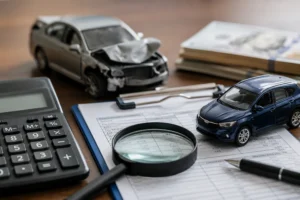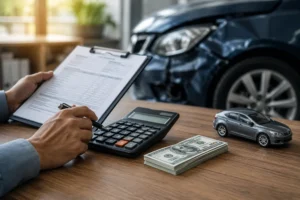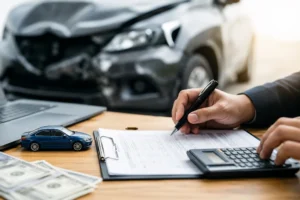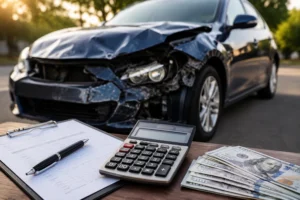
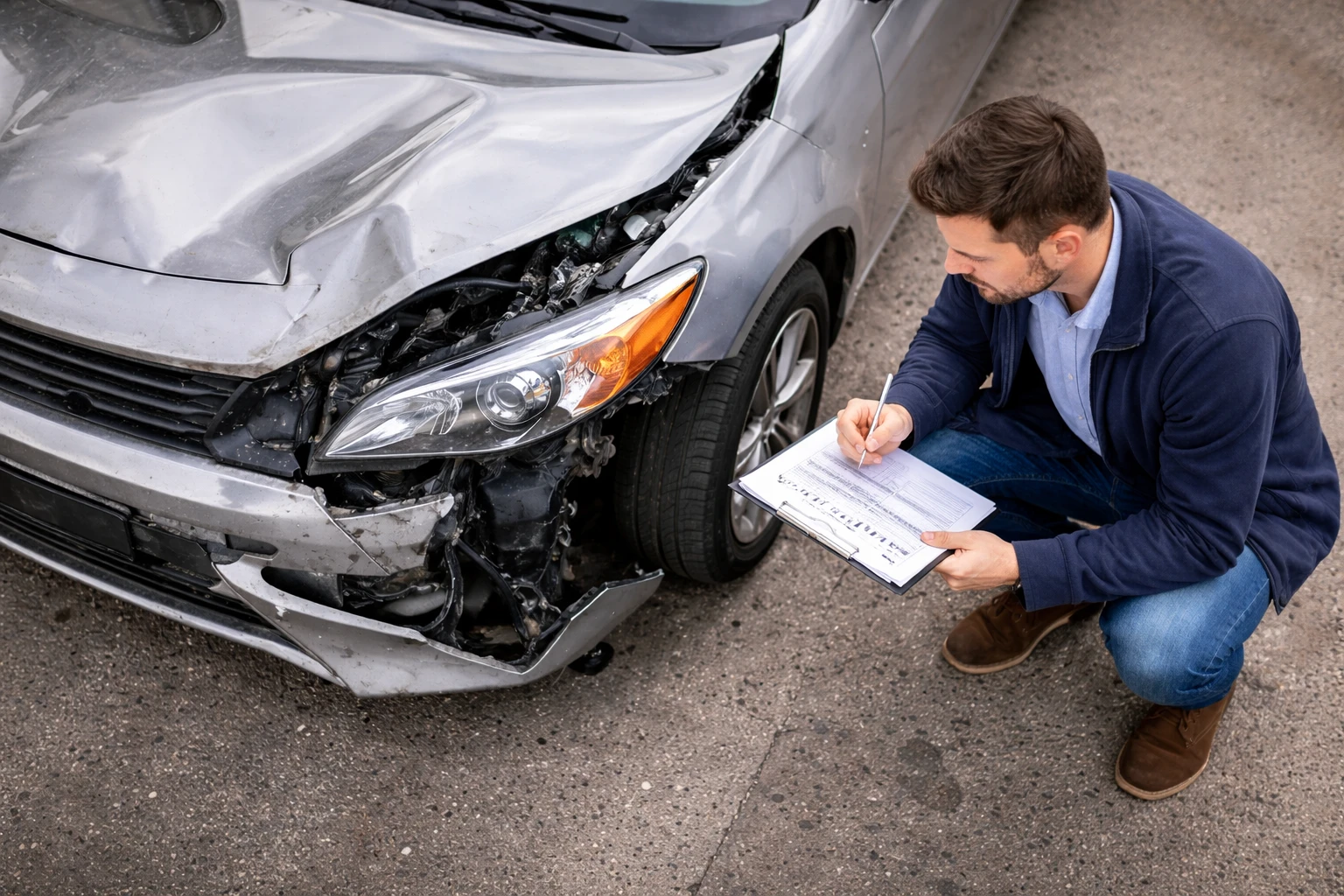
When a vehicle is involved in an accident, the next steps often feel overwhelming. Repairs, insurance claims, documentation, and negotiations all start moving quickly. In the middle of that chaos, one process becomes incredibly important: a car damage appraisal. A car damage appraisal is more than just a quick look at dents and scratches. It’s a detailed evaluation of your vehicle’s condition, the extent of damage, and the real cost of repair. This process helps ensure that you receive fair compensation from insurance companies and understand exactly what your vehicle needs to return to proper condition.
Whether your car has been involved in a collision, damaged by weather, or impacted by another unexpected event, understanding how damage is assessed can make a huge difference in the outcome of your claim. In this guide, we’ll walk through how the process works, what professionals look for, and how you can protect your financial interests during the appraisal.
What Is a Car Damage Appraisal?
A car damage appraisal is a professional evaluation that determines the extent of damage to a vehicle and calculates the estimated cost to repair it. This assessment is usually conducted after an accident or incident that affects the vehicle’s structural, mechanical, or cosmetic condition.
The goal is simple: determine how much damage exists and what it will take to fix it properly. Professional appraisers examine multiple aspects of the vehicle, including visible damage, hidden mechanical issues, and potential safety concerns. Their findings are documented in a detailed report that can be used for insurance claims, legal matters, or repair planning.
The Purpose of a Damage Appraisal
A thorough appraisal serves several important functions:
- Establishes the true cost of repair
- Documents the condition of the vehicle after damage
- Identifies hidden structural issues
- Supports insurance negotiations
- Helps determine if a vehicle is a total loss
Without an accurate appraisal, vehicle owners risk accepting settlements that may not fully cover the actual repair costs.
Who Performs Car Damage Appraisals?
Several professionals may conduct this type of assessment, including:
- Insurance adjusters
- Independent auto appraisers
- Automotive damage specialists
- Collision repair estimators
Independent appraisers are often hired when vehicle owners want a neutral evaluation separate from an insurance company’s estimate.
When You Need a Car Damage Appraisal
Not every scratch requires a formal inspection. But many situations absolutely do. Understanding when to request a car damage appraisal can save time, money, and frustration.
After a Car Accident
The most common reason for an appraisal is collision damage. Even minor accidents can cause hidden structural issues beneath the vehicle’s exterior panels. A proper inspection ensures those problems are identified before repairs begin.
After Weather-Related Damage
Severe weather can damage vehicles in surprising ways. Examples include:
- Hail dents across body panels
- Flood water damaging electrical systems
- Fallen tree branches crushing roofs or windshields
- Wind-blown debris damaging paint and glass
A professional appraisal helps determine the full impact of the damage.
When Buying or Selling a Damaged Vehicle
If a vehicle has previous damage, an appraisal helps determine fair market value. Buyers gain transparency, while sellers can justify pricing.
Insurance Claim Disputes
Sometimes the insurance company’s repair estimate seems too low. When this happens, an independent car damage appraisal can provide documentation that supports a higher settlement.
Types of Vehicle Damage Evaluated During an Appraisal
Vehicle damage is rarely limited to what you can see at first glance. A thorough inspection evaluates multiple categories of damage.
Cosmetic Damage
Cosmetic issues affect the appearance of the vehicle but may not impact performance.
Common examples include:
- Scratched paint
- Small dents
- Minor bumper damage
- Scuffed trim
Although cosmetic damage may seem minor, repair costs can still add up quickly.
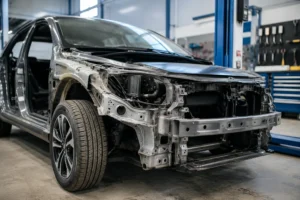
Structural Damage
Structural damage is far more serious. This type of damage affects the vehicle’s frame or chassis and may compromise safety if not repaired properly.
Examples include:
- Bent frame components
- Misaligned chassis
- Crumpled structural supports
- Frame rail damage
Vehicles with severe structural damage sometimes qualify as total losses depending on repair cost.
Mechanical Damage
Accidents often affect internal components.
A professional appraisal may uncover issues with:
- Suspension systems
- Steering components
- Engine mounts
- Transmission systems
These problems are not always visible during a quick inspection.
Safety System Damage
Modern vehicles contain complex safety technology.
An appraiser may inspect:
- Airbag deployment systems
- Crash sensors
- Advanced driver assistance systems
- Seat belt tensioners
Evaluating these systems requires a methodical approach. In complex inspections, professionals often rely on structured analysis methods similar to those used in technical fields such as phenomenology, where observations are carefully documented before conclusions are drawn.
The Car Damage Appraisal Process
Many vehicle owners are surprised by how detailed the appraisal process actually is. It involves multiple steps designed to produce a clear and accurate evaluation.
1. Initial Vehicle Inspection
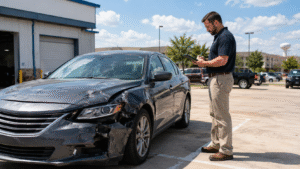
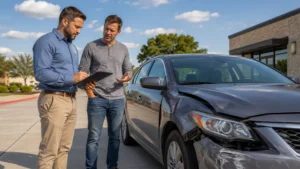
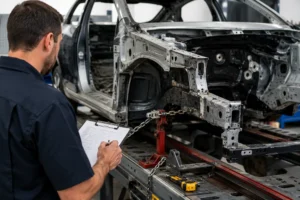
The process begins with a full visual inspection of the vehicle. The appraiser examines exterior panels, glass, lights, tires, and structural areas. Visible damage is documented and photographed.
2. Documentation and Evidence Collection
Accurate records are essential.
The appraiser typically gathers:
- Vehicle Identification Number (VIN)
- Mileage information
- Vehicle make and model details
- Accident description
- Photographs of damaged areas
This information becomes part of the official appraisal report.
3. Diagnostic Evaluation
Modern vehicles rely heavily on electronic systems.
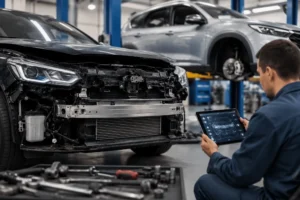
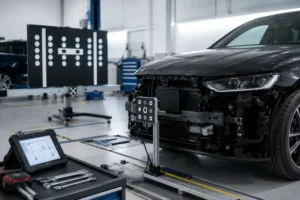
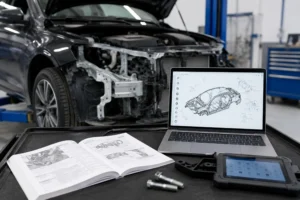
Appraisers may use diagnostic tools to check for:
- Engine warning codes
- Sensor failures
- Safety system alerts
These hidden issues can significantly increase repair costs.
4. Repair Cost Estimation
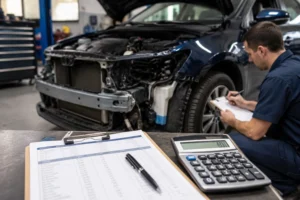
Once the damage is identified, the appraiser calculates the cost of repair.
This estimate includes several components:
| Repair Category | Typical Costs Included |
| Parts | Replacement components such as bumpers or panels |
| Labor | Technician time required for repairs |
| Paint | Refinishing materials and application |
| Mechanical work | Suspension or engine repairs |
The final estimate reflects the total cost needed to restore the vehicle.
5. Final Appraisal Report
The completed car damage appraisal report includes:
- A detailed description of all damage
- Photographic documentation
- Repair cost estimates
- Vehicle value analysis
- Professional conclusions
This report becomes an important document for insurance negotiations and repair planning.
Factors That Influence Car Damage Appraisal Value
Every vehicle appraisal is unique. Several factors influence the final repair estimate and valuation.
| Factor | Why It Matters |
| Vehicle age | Older vehicles may have lower market value |
| Pre-accident condition | Well-maintained vehicles retain higher value |
| Extent of damage | Severe damage increases repair costs |
| Replacement parts | Some parts are expensive or difficult to source |
| Market value | Determines whether repair is financially reasonable |
For example, if repair costs approach the vehicle’s market value, insurers may classify it as a total loss.
Car Damage Appraisal vs Insurance Adjuster Assessment
Vehicle owners often assume insurance adjusters and appraisers serve the same role. In reality, their objectives may differ.
Insurance Adjusters
Insurance adjusters represent the insurance company. Their job is to evaluate claims and determine payout amounts. While many adjusters work fairly, their estimates sometimes focus on minimizing claim expenses.
Independent Appraisers
Independent appraisers provide neutral evaluations. Their responsibility is to determine the true cost of damage without influence from insurance companies.
When Independent Appraisals Help
An independent car damage appraisal is particularly helpful when:
- Repair estimates seem too low
- Hidden damage is suspected
- Insurance negotiations stall
- Legal disputes arise
In many cases, independent appraisals provide leverage during claim discussions.
Common Mistakes Vehicle Owners Make After Damage
Vehicle owners often make small mistakes that can lead to financial losses during the claims process. Here are a few to avoid.
Waiting Too Long
Delaying the appraisal can make it harder to document damage accurately.
Accepting the First Estimate
Insurance estimates are sometimes conservative. It’s wise to review them carefully before agreeing.
Failing to Document the Damage
Photos taken immediately after the incident can strengthen your claim.
Repairing Too Soon
Repairs completed before an official appraisal may limit the ability to dispute claim amounts later.
How to Prepare Your Vehicle for a Car Damage Appraisal
Preparation helps ensure the appraisal process runs smoothly.
Steps to Take Before Inspection
- Clean the vehicle so damage is clearly visible
- Gather accident reports
- Collect previous maintenance records
- Take photos of all damage
Information Appraisers Typically Request
Be ready to provide:
- Vehicle registration
- Insurance claim number
- Accident details
- Repair history
Providing complete information helps the appraiser produce a more accurate evaluation.
Benefits of Professional Car Damage Appraisals
A professional car damage appraisal offers several advantages for vehicle owners.
Accurate Repair Estimates
Professional inspections identify damage that might otherwise be missed.
Strong Insurance Documentation
Appraisal reports provide written evidence that supports claim negotiations.
Transparency in the Process
Vehicle owners gain a clear understanding of repair costs and vehicle condition.
Protection Against Underpayment
Without an independent appraisal, some claims may be settled for less than the true repair cost.
How to Choose a Reliable Car Damage Appraiser
Choosing the right professional matters. Not all appraisers have the same experience or credentials.
Look for Industry Certifications
Experienced appraisers often hold certifications from automotive appraisal organizations.
Evaluate Experience
Professionals with collision repair or mechanical backgrounds often provide deeper evaluations.
Review Client Feedback
Online reviews and referrals can help identify trustworthy professionals.
Ask About Their Reports
A strong appraisal report should include:
- Detailed damage descriptions
- Photo documentation
- Itemized repair estimates
Clear documentation strengthens your position when negotiating claims.
Signs You Should Request an Appraisal Immediately
Certain situations call for quick action.
Consider scheduling a car damage appraisal immediately if:
- The insurance settlement seems unusually low
- The vehicle has significant structural damage
- You suspect hidden mechanical problems
- The vehicle is high-value or collectible
- Legal disputes may arise
Early documentation protects your claim and helps prevent future complications.
Conclusion
Vehicle accidents and unexpected damage can disrupt daily life quickly. Between repairs, insurance claims, and financial concerns, the process can feel overwhelming. That’s why a professional car damage appraisal plays such an important role. An accurate appraisal provides clarity. It identifies hidden problems, calculates repair costs, and documents the true condition of the vehicle. Most importantly, it ensures that vehicle owners have reliable information when negotiating insurance settlements or planning repairs.
If your vehicle has been damaged, taking the time to obtain a thorough appraisal can make all the difference. It protects your investment, supports fair compensation, and helps ensure your vehicle is restored safely and correctly. When it comes to protecting both your vehicle and your finances, a professional appraisal isn’t just helpful. It’s essential.
FAQs
A car damage appraisal is a professional evaluation that determines the extent of vehicle damage and estimates the cost required to repair it.
You should request a car damage appraisal after accidents, severe weather damage, or when you disagree with an insurance company’s repair estimate.
Car damage appraisals are typically performed by certified auto appraisers, insurance adjusters, or independent vehicle appraisal specialists.
Most appraisals take between 30 minutes and a few hours depending on the severity of damage and the level of inspection required.
The report usually includes photos of the damage, vehicle information, a detailed repair estimate, and documentation supporting the appraiser’s findings.
Yes, an independent car damage appraisal can be used to challenge or negotiate an insurance company’s repair estimate.
The cost varies depending on the appraiser and the complexity of the inspection, but independent appraisals typically range from $100 to several hundred dollars.
Professional appraisers often identify hidden structural or mechanical damage using visual inspection and diagnostic tools.
While not always required, an appraisal can still be helpful to ensure no hidden damage exists and that repair estimates are accurate.
Yes, the appraisal compares repair costs with the vehicle’s market value to determine whether repairing the vehicle is economically practical.