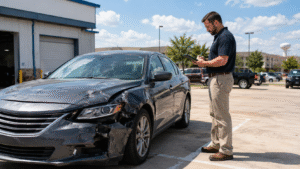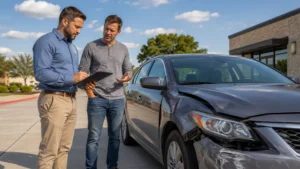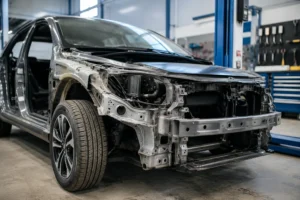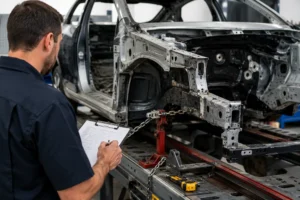
A car accident appraisal is one of the most important steps you can take after a vehicle collision. Accidents create more than just physical damage. They also affect the financial value of your car, insurance negotiations, and sometimes even legal outcomes. When the dust settles and the tow truck leaves, one question remains: What is the real value of your vehicle now? This is where a car accident appraisal becomes essential. A professional appraisal carefully evaluates your vehicle after a crash to determine its fair market value, the extent of damage, and the financial impact of the accident. That information becomes powerful. It can influence insurance settlements, help support diminished value claims, and provide documentation if disputes arise.
Many vehicle owners assume the insurance estimate tells the full story. Often it doesn’t. Insurance companies focus on repair costs, while a proper appraisal evaluates the vehicle’s true market value after an accident. Those are two very different things. Let’s break down how car accident appraisal works, why it matters, and how it protects your financial interests after a collision.
What Is a Car Accident Appraisal?
A car accident appraisal is a professional evaluation that determines the value of a vehicle after it has been involved in a collision. The goal is simple: provide an accurate, unbiased assessment of the vehicle’s condition, damage, and resulting market value.
Unlike quick online estimates or basic repair quotes, this process involves careful inspection and documentation. Professional auto appraisers analyze multiple factors to determine how the accident affects the vehicle financially. The appraisal produces a detailed report. This report can be used for insurance claims, legal disputes, resale documentation, or diminished value claims.
Key Goals of an Accident Appraisal
A thorough car accident appraisal aims to accomplish several important objectives:
- Determine the vehicle’s value after the accident
- Document the full extent of collision damage
- Identify potential structural or hidden issues
- Calculate diminished value caused by accident history
- Provide formal documentation for insurance or legal use
Think of it as creating a financial snapshot of your vehicle after a crash.
Why Car Accident Appraisals Are Important
Accidents change more than sheet metal. They change value. Even after repairs, a vehicle with an accident history typically sells for less than an identical vehicle with a clean record. Buyers are cautious. Dealers know this. The market responds accordingly.
A car accident appraisal helps vehicle owners understand that financial impact. Without one, many drivers unknowingly accept settlements that undervalue their vehicle. Here are some common situations where a car accident appraisal becomes critical:
Situations That Require an Appraisal
- Insurance claim disputes
- Total loss disagreements
- Diminished value claims
- Legal cases involving accident damages
- Selling a vehicle with accident history
Let’s say your car was worth $28,000 before an accident. After repairs, it may only sell for $23,000 because the accident appears on the vehicle history report. That $5,000 difference matters. An appraisal helps document that loss.
The Car Accident Appraisal Process
So how does a professional appraisal actually work? The process is systematic and detailed. It combines inspection, documentation, and market research to reach a fair conclusion.
Step 1: Initial Vehicle Inspection
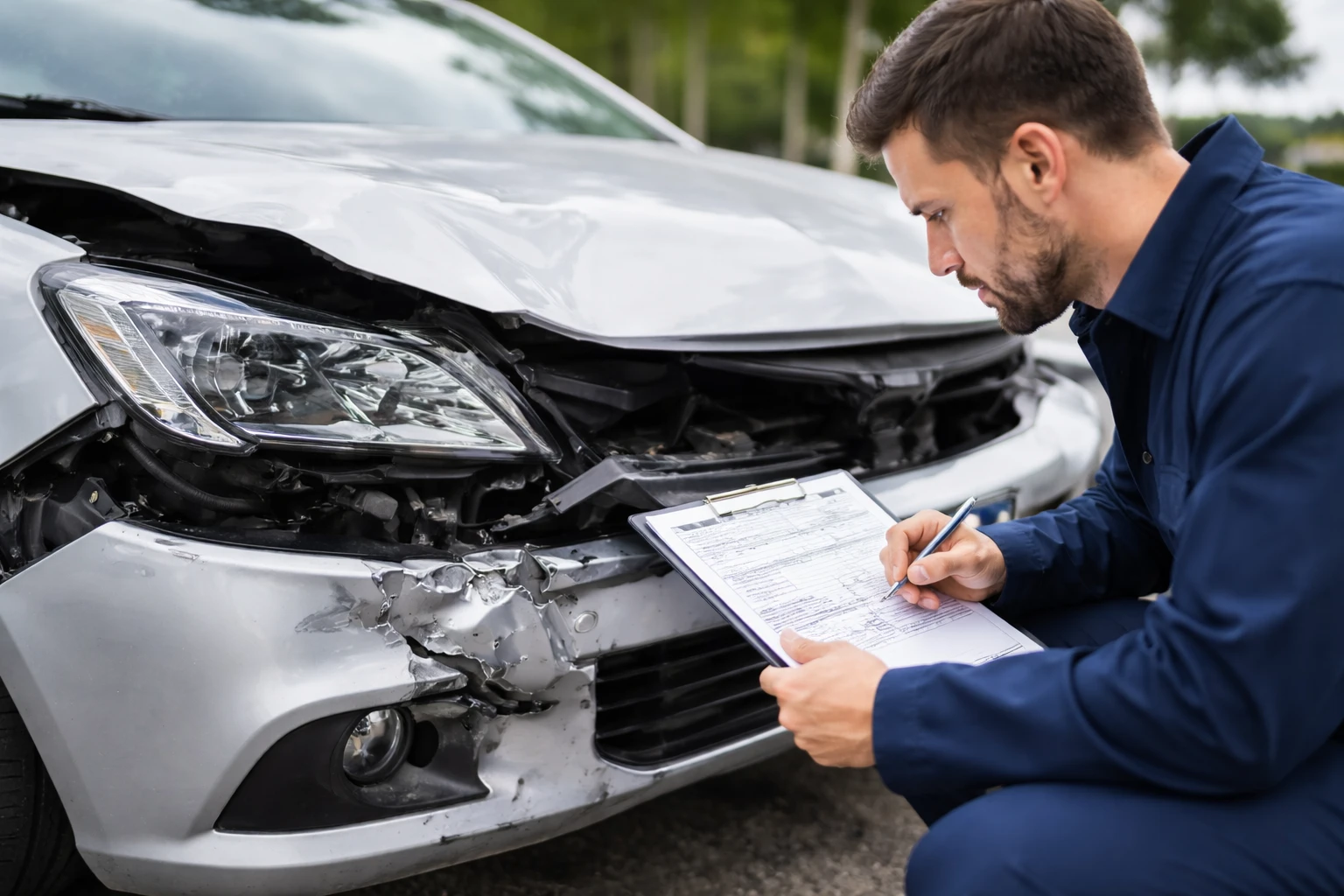
The first step is a physical inspection of the vehicle.
Appraisers look closely at:
- Body panel damage
- Frame alignment
- mechanical components
- paint condition
- safety system damage
Even small accidents can create structural issues that are not obvious at first glance.
Step 2: Documentation Review
Next comes paperwork. A lot of it.
Appraisers review important records such as:
- accident reports
- repair estimates
- maintenance history
- insurance documents
- vehicle ownership records
These details help establish the vehicle’s condition before the accident and provide context for the damage.
Step 3: Damage Analysis
Not all damage affects value equally. A scratched bumper and a bent frame create very different financial outcomes. Appraisers categorize the damage carefully.
Damage is usually analyzed in three categories:
| Damage Type | Description | Impact on Value |
| Cosmetic | Scratches, dents, paint damage | Minor |
| Mechanical | Engine or suspension damage | Moderate |
| Structural | Frame or safety system damage | Significant |
Structural damage, especially involving the vehicle frame, can permanently reduce a car’s resale value.
Step 4: Market Comparison
The next step involves comparing the vehicle to similar vehicles currently in the market.
Appraisers review:
- local vehicle listings
- dealership sales data
- auction values
- private market sales
This comparison helps determine the realistic value of the vehicle in its current condition. Market trends also matter. A popular SUV may retain value better after repairs than a niche vehicle with limited demand.
Step 5: Appraisal Report Creation
Finally, the appraiser prepares a detailed report.
This report typically includes:
- vehicle identification details
- damage analysis
- repair history
- comparable market vehicles
- final valuation conclusions
The completed document serves as professional evidence supporting the vehicle’s value after the accident.
Key Factors That Affect Accident Appraisal Value
Not all vehicles lose the same amount of value after a collision. Several key factors influence the outcome of a car accident appraisal.
Vehicle Condition Before the Accident
A vehicle that was well maintained and damage-free before the collision typically holds more value after repairs. Service records, maintenance history, and prior damage reports all influence the appraisal.
Severity of the Collision
The more severe the accident, the greater the financial impact.
Major indicators include:
- frame damage
- airbag deployment
- structural misalignment
- suspension damage
These issues can significantly reduce resale value.
Vehicle Age and Mileage
Newer vehicles tend to lose more value after accidents because their pre-accident value was higher. Older vehicles may already have depreciation working against them.
Repair Quality
Repairs matter. A lot. High-quality professional repairs help restore value, while poor repairs can significantly reduce it.
Signs of low-quality repairs include:
- mismatched paint
- uneven panel alignment
- persistent mechanical issues
Appraisers evaluate repair quality carefully.
Market Demand
Market conditions also play a role. Popular vehicles with strong resale demand may recover more value after repairs compared to niche models.
Understanding Diminished Value After an Accident
Even if repairs restore a vehicle to excellent condition, the accident history still affects resale price. This loss is known as diminished value. Diminished value refers to the difference between the vehicle’s market value before the accident and its value after repairs. A car accident appraisal is often used to calculate this loss.
Types of Diminished Value
There are three common types:
| Type | Explanation |
| Immediate Diminished Value | Loss in value immediately after the accident |
| Inherent Diminished Value | Loss caused simply by the accident appearing on history reports |
| Repair-Related Diminished Value | Loss due to incomplete or poor repairs |
Most claims involve inherent diminished value, since accident history remains visible on vehicle history reports.
Interestingly, valuation methods used in professional appraisals sometimes rely on statistical models that resemble methods used in fields like econometrics, where historical data and market behavior are analyzed to estimate value changes over time.
Car Accident Appraisal vs Insurance Adjuster Evaluation
Many drivers assume insurance adjusters and independent appraisers do the same job.
They don’t.
Their objectives are different.
| Feature | Insurance Adjuster | Independent Appraiser |
| Employer | Insurance company | Vehicle owner |
| Objective | Manage claim payouts | Determine fair vehicle value |
| Inspection depth | Often limited | Thorough and detailed |
| Report usage | Insurance settlement | Insurance, resale, or legal cases |
An independent car accident appraisal provides an unbiased perspective.
How to Prepare Your Vehicle for an Accident Appraisal
Preparation helps ensure the appraisal process goes smoothly and accurately reflects the vehicle’s condition.
Documents to Gather
Before scheduling a car accident appraisal, collect these items:
- accident report
- insurance claim documents
- repair estimates
- maintenance records
- photographs of the damage
These documents help the appraiser understand the full situation.
Vehicle Preparation Tips
A few small steps can also help.
- clean the vehicle before inspection
- remove personal items
- organize paperwork
- list any previous repairs
This allows the appraiser to inspect the vehicle efficiently.
Common Mistakes Car Owners Make After an Accident
Accidents are stressful. It’s easy to overlook important financial details. Some mistakes can cost thousands.
Here are a few to avoid:
- accepting the first insurance settlement without review
- failing to document damage thoroughly
- ignoring diminished value claims
- delaying an appraisal until evidence disappears
A car accident appraisal early in the process provides valuable documentation.
How Much Does a Car Accident Appraisal Cost?
Costs vary depending on the vehicle and the level of analysis required. Typical appraisal fees range from $200 to $700 for standard reports.
More complex situations, such as legal cases or expert testimony, may cost more.
Factors That Affect Appraisal Cost
- vehicle type and value
- damage complexity
- report detail level
- legal involvement
While there is a cost, the appraisal often helps vehicle owners recover far more through fair settlements.
When to Hire a Professional Auto Appraiser
Timing matters.
The best time to request a car accident appraisal is usually soon after the accident, before repairs significantly alter evidence of damage.
Ideal Situations for Hiring an Appraiser
- before beginning major repairs
- when disputing an insurance valuation
- when filing a diminished value claim
- when preparing to sell the vehicle
In each case, an appraisal provides documented proof of value.
Benefits of Working With a Professional Car Appraisal Service
Professional auto appraisers provide more than just a number.
They provide clarity.
Benefits include:
- unbiased valuation of the vehicle
- professional inspection and documentation
- stronger negotiating position with insurers
- support for diminished value claims
- expert testimony if legal disputes arise
For many drivers, a car accident appraisal turns confusion into clear financial insight.
Final Thoughts on Car Accident Appraisals
Accidents disrupt more than your daily routine. They affect the financial value of your vehicle, sometimes in ways that are not immediately obvious. That’s why a car accident appraisal plays such an important role after a collision. It provides an accurate evaluation of the vehicle’s damage, calculates lost value, and creates formal documentation that can support insurance claims, legal disputes, or resale decisions.
Vehicle owners who understand the appraisal process are better prepared to protect their financial interests. They avoid undervalued settlements. They document diminished value. And they gain a clear picture of what their vehicle is truly worth after the accident. When it comes to protecting your investment, information matters. And a professional car accident appraisal provides exactly that.
FAQs
A car accident appraisal is a professional evaluation that determines the market value of a vehicle after it has been damaged in a collision.
You should request a car accident appraisal soon after the accident, especially before major repairs or when disputing an insurance settlement.
A certified or professional auto appraiser performs the appraisal by inspecting the vehicle, reviewing documentation, and analyzing market data.
Yes. Insurance estimates focus mainly on repair costs, while an appraisal evaluates the vehicle’s full market value and any loss caused by the accident.
Common documents include the accident report, repair estimates, service records, insurance claim details, and photos of the damage.
The inspection itself may take one to two hours, while the final appraisal report is typically completed within a few days.
Diminished value refers to the reduction in a vehicle’s market value after an accident, even if the car has been fully repaired.
Most car accident appraisals cost between $200 and $700 depending on the vehicle, damage complexity, and the level of detail required in the report.
Yes. A professional appraisal report can provide evidence to support a fair insurance settlement or challenge an undervalued claim.
Not always, but it is highly recommended when the damage is significant, when filing a diminished value claim, or when insurance payouts are being disputed.