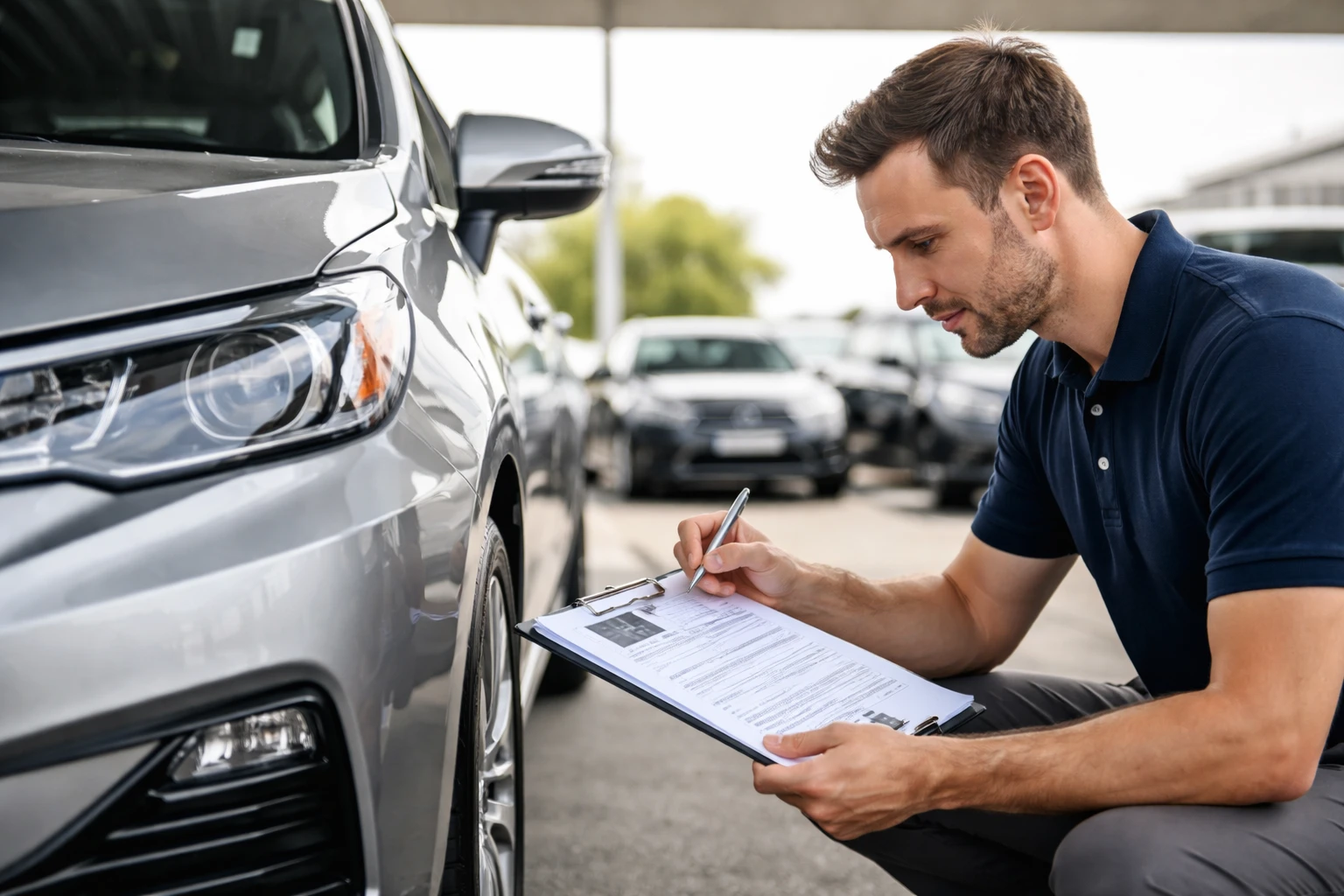
If you’ve ever wondered what is an appraisal on a car, you’re not alone. Many vehicle owners assume the value of their car is easy to determine just check an online pricing tool and move on. But real vehicle valuation is rarely that simple. Markets fluctuate. Condition varies. History matters.
A car appraisal is a professional evaluation that determines the true market value of a vehicle based on inspection, documentation, and market research. It goes far beyond guesswork or quick online estimates. Whether you’re selling a vehicle, filing an insurance claim, settling a legal matter, or insuring a classic car, understanding what is an appraisal on a car can make a significant financial difference. Let’s break it down clearly. By the end of this guide, you’ll know exactly how car appraisals work, when you need one, and how they help protect your investment.
Understanding What a Car Appraisal Is
At its core, a car appraisal is a professional assessment of a vehicle’s value. It’s conducted by trained appraisers who analyze the condition of the vehicle, review documentation, and compare market data to determine a fair and defensible valuation. This process creates a formal report explaining the vehicle’s worth.
That report can be used for:
- Buying or selling vehicles
- Insurance claims
- Legal proceedings
- Loan collateral verification
- Estate settlements
When people ask what is an appraisal on a car, they’re really asking how professionals determine the true worth of a vehicle. And the answer involves far more than a simple price guess. A proper appraisal combines physical inspection, documentation review, and market research.
Appraisal vs Price Estimate
Many people confuse appraisals with quick valuation tools online. They are not the same. Online tools provide general pricing ranges based on averages. A professional appraisal looks at your exact vehicle.
Here’s how they compare:
| Feature | Online Price Estimate | Professional Car Appraisal |
| Data Source | Average market listings | Real vehicle inspection + market analysis |
| Accuracy | General estimate | Highly accurate valuation |
| Documentation | None | Official appraisal report |
| Legal Use | Rarely accepted | Accepted for legal and insurance purposes |
| Condition Review | Not included | Thorough inspection included |
The difference can be thousands of dollars. That’s why understanding what is an appraisal on a car becomes so important when real money or legal matters are involved.
Why Car Appraisals Matter
Vehicle value affects far more situations than most people realize. A professional appraisal provides clarity and protection. Here are the biggest reasons people request one.
1. Accurate Market Value
Selling a vehicle without knowing its real value can cost you money. List it too high and buyers disappear. Price it too low and you lose thousands.
An appraisal gives you a realistic market price based on:
- Condition
- Demand
- Comparable sales
- Vehicle history
2. Insurance Protection
Insurance claims often depend on vehicle value. If a car is stolen, totaled, or heavily damaged, insurers calculate payouts based on valuation. A documented appraisal can support your claim and prevent undervaluation.
This is especially important for:
- Classic vehicles
- Rare models
- Modified vehicles
3. Legal Situations
Car appraisals frequently appear in legal matters such as:
- Divorce asset division
- Estate settlements
- bankruptcy filings
- business asset valuation
Courts rely on objective valuation reports. A professional appraisal provides exactly that.
4. Loan and Financing Requirements
Banks sometimes require vehicle appraisals when a car is used as loan collateral. Lenders want confirmation that the vehicle’s value supports the loan amount.
Situations Where You May Need a Car Appraisal
Many drivers only think about valuation when selling a car. But there are several scenarios where an appraisal becomes essential.
Selling a Vehicle
When preparing to sell, a professional valuation helps you set a competitive and fair price. It also gives buyers confidence.
Buying a Used Car
If you’re purchasing a higher-value vehicle especially from a private seller an appraisal verifies whether the asking price is reasonable. It can prevent costly mistakes.
Insurance Adjustments
Owners of rare, antique, or collector vehicles often obtain appraisals to determine agreed value insurance coverage. Without one, insurers may underestimate the vehicle’s worth.
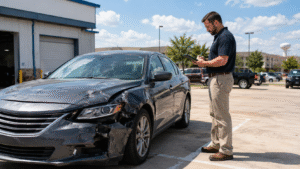
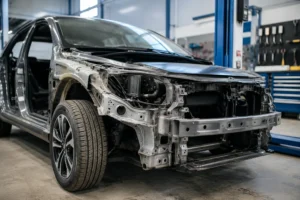
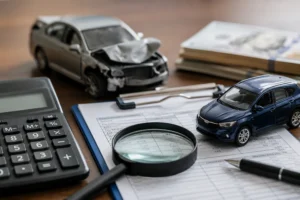
After an Accident
Vehicles often lose value even after repairs. This is called diminished value, and a professional appraisal helps document that loss for insurance claims.
Estate Planning or Probate
When vehicles become part of an estate, appraisals establish their fair value for inheritance distribution or tax calculations.
How a Car Appraisal Works
Understanding the process helps answer the question what is an appraisal on a car in practical terms. The procedure usually follows several key steps.
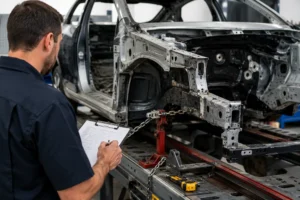
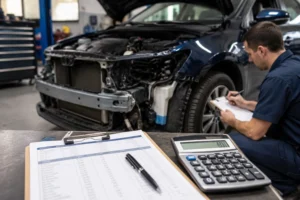
Step 1: Vehicle Inspection
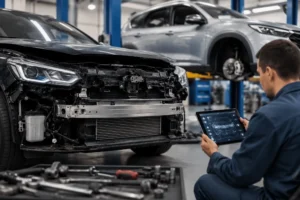
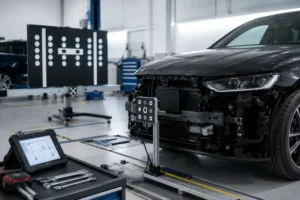
The appraiser begins with a thorough inspection.
They evaluate:
- Exterior condition
- Interior condition
- Mechanical components
- Tires and suspension
- Signs of previous repairs
- Mileage accuracy
Even small details matter. Paint quality. Upholstery wear. Panel alignment. Everything contributes to the final valuation.
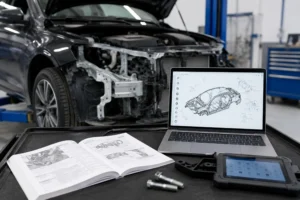
Step 2: Documentation Review
Next comes paperwork.
The appraiser reviews important records such as:
- Title documentation
- Service history
- Maintenance receipts
- Vehicle history reports
- Ownership records
These documents help verify how the vehicle has been maintained and whether it has been involved in accidents.
Step 3: Market Research
Once the inspection and documentation review are complete, the appraiser analyzes the market.
This includes examining:
- Comparable vehicle sales
- Local demand
- Current pricing trends
- Auction results
- Dealer listings
Market analysis ensures the valuation reflects real-world pricing conditions.
Step 4: Appraisal Report
Finally, the appraiser produces a written report detailing:
- Vehicle description
- Condition assessment
- Market comparisons
- Final appraised value
This document becomes an official valuation record.
Key Factors That Affect Car Appraisal Value
Vehicle valuation is influenced by several critical factors. Understanding them helps explain why two identical cars can have very different values.
Condition
Condition is often the most influential factor.
Appraisers evaluate:
- Paint condition
- Interior wear
- mechanical reliability
- rust or corrosion
- accident repairs
Even minor cosmetic issues can affect valuation.
Mileage
Mileage often reflects vehicle usage. Lower mileage typically increases value because it suggests less wear on engine components and drivetrain systems.
Vehicle Age
Most vehicles depreciate over time. However, certain collector vehicles may appreciate with age.
Vehicle History
Past accidents, flood damage, or title issues significantly impact value. Clean vehicle histories usually command higher prices.
Market Demand
Market trends also play a role.
For example:
- Fuel-efficient vehicles may rise in demand when fuel prices increase.
- Trucks and SUVs often retain strong resale value.
- Electric vehicles may fluctuate depending on regional demand.
Modifications
Upgrades and custom modifications can affect value in different ways. Performance upgrades may increase value for enthusiasts, while unusual customizations may reduce appeal for general buyers.
Who Performs Car Appraisals
Not all appraisals are created equal. The professional conducting the valuation matters. Common types of appraisers include:
Certified Auto Appraisers
These professionals specialize in vehicle valuation and often hold industry certifications.
Insurance Appraisers
Insurance companies employ adjusters to evaluate vehicles for claims.
Dealership Appraisers
Dealers frequently conduct appraisals for trade-in vehicles. However, dealership valuations may prioritize resale margins.
Independent Appraisal Companies
Independent professionals often provide the most neutral and detailed assessments.
Types of Car Appraisals
Car appraisals can be performed in different ways depending on the situation.
In-Person Appraisals
This is the most detailed method. The appraiser physically inspects the vehicle and documents every detail.
Best for:
- Classic cars
- legal disputes
- high-value vehicles
Online Appraisals
Some companies offer appraisals based on photos and documentation submitted by the owner. These are faster but less detailed.
Desktop Appraisals
Desktop appraisals rely primarily on market research and existing documentation without inspecting the vehicle directly. They are commonly used for insurance claims.
How Long a Car Appraisal Takes
The appraisal process itself is usually quick.
Typical timeline:
- Vehicle inspection: 30–60 minutes
- Market research: 1–2 hours
- Final report preparation: 1–2 days
Complex appraisals, especially involving rare vehicles, may take longer.
How Much a Car Appraisal Costs
Pricing varies depending on the type of vehicle and appraisal complexity.
Here’s a general overview:
| Type of Appraisal | Typical Cost |
| Standard vehicle appraisal | $100 – $300 |
| Classic or collector car appraisal | $250 – $600 |
| Legal appraisal reports | $300 – $700+ |
| Online appraisal services | $50 – $150 |
Factors that influence price include:
- Vehicle rarity
- appraisal detail required
- inspection location
- appraiser expertise
Preparing Your Car for an Appraisal
A little preparation can make a difference. Before an appraisal appointment, consider these steps.
Clean the Vehicle
A detailed car presents better and allows the appraiser to inspect surfaces clearly.
Gather Documentation
Have these ready:
- Title
- Maintenance records
- Service receipts
- modification documentation
Address Minor Issues
Simple repairs like replacing burned-out bulbs or fixing loose trim can improve the overall impression.
Car Appraisal vs Online Valuation Tools
Online pricing tools are convenient. But they rely on averages. Professional appraisals consider specific vehicle details.
Here’s a quick comparison:
| Feature | Online Tool | Professional Appraisal |
| Vehicle Inspection | No | Yes |
| Documentation Review | No | Yes |
| Market Comparisons | Limited | Extensive |
| Legal Acceptance | Rarely | Common |
| Accuracy | Moderate | High |
When accuracy matters, appraisals win. That’s another reason why understanding what is an appraisal on a car can save money and prevent disputes.
Choosing the Right Auto Appraisal Service
Selecting the right professional ensures your valuation is credible. Consider these factors.
Certifications and Experience
Look for appraisers with automotive valuation credentials and industry experience.
Independent Evaluation
Independent appraisers often provide more objective reports than dealerships.
Reputation
Customer reviews and referrals help verify reliability.
Sample Reports
Professional appraisal companies often provide example reports showing the level of detail you can expect.
Common Mistakes People Make With Car Appraisals
Avoid these common pitfalls.
- Relying only on online pricing tools
- Waiting too long after accident damage
- Using unqualified appraisers
- Ignoring maintenance records
- Assuming modifications automatically increase value
Small mistakes can lead to inaccurate valuations.
Final Thoughts
So, what is an appraisal on a car?
It’s a professional process designed to determine the true market value of a vehicle based on inspection, documentation, and market analysis. Unlike simple price estimates, appraisals provide detailed reports that can support insurance claims, legal matters, financial transactions, and vehicle sales.
For anyone buying, selling, insuring, or settling disputes involving a vehicle, understanding what is an appraisal on a car provides an important advantage. It removes guesswork. It protects financial interests. And it ensures that the vehicle’s value reflects reality rather than speculation.
When accuracy matters, a professional auto appraisal becomes more than helpful it becomes essential.
FAQs
A car appraisal is a professional evaluation that determines a vehicle’s fair market value based on its condition, history, and current market demand.
Car appraisals are typically performed by certified auto appraisers, independent appraisal companies, insurance adjusters, or dealership valuation specialists.
You may need a car appraisal when selling a vehicle, buying a used car, filing an insurance claim, settling a legal matter, or determining a vehicle’s value for an estate.
Most vehicle inspections take about 30–60 minutes, while the complete appraisal report is usually delivered within one to two days.
A standard car appraisal typically costs between $100 and $300, though rare or classic vehicle appraisals may cost more depending on the level of detail required.
Key factors include the vehicle’s condition, mileage, age, maintenance history, accident history, modifications, and current market demand.
No. Online tools provide general estimates, while a professional appraisal involves a detailed inspection and market analysis to determine a more accurate value.
Insurance companies may request an appraisal for classic cars, disputed claims, or situations where the vehicle’s value must be verified.
Yes. A professional appraisal can document diminished value, which may help support compensation claims after a vehicle has been repaired.
Common documents include the vehicle title, maintenance records, service receipts, and any documentation related to upgrades or modifications.