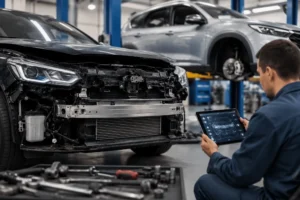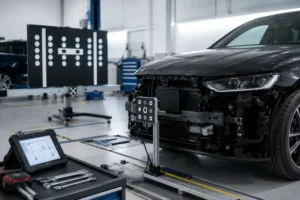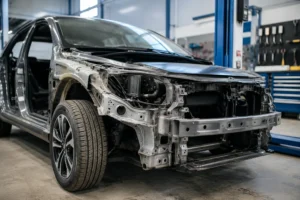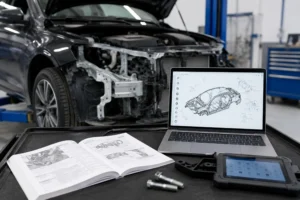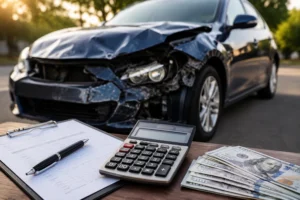

A low total loss offer can feel like a second accident after the crash itself.
First comes the collision. Then comes the frustration.
You expect the insurance company to offer a fair settlement for your vehicle. Instead, the number arrives and immediately feels wrong. Too low. Too rushed. Sometimes shockingly below what it would actually cost to replace your car.
That situation happens more often than many drivers realize.
Insurance companies process massive numbers of claims every day. Some valuations are accurate. Others are not. Mistakes happen. Comparable vehicles may be incorrect. Important upgrades may be ignored. Vehicle condition may be undervalued. Local market pricing may be outdated.
And when that happens, a low total loss offer can leave drivers struggling financially at the exact moment they need stability most.
The good news?
You are not automatically stuck with the first number the insurance company provides.
Understanding how vehicle valuations work — and how to challenge undervaluation properly — can significantly improve the outcome of a total loss claim.
What Is a Total Loss Offer?
A total loss offer is the settlement amount an insurance company offers after deciding a vehicle is too expensive to repair.
This decision usually happens when repair costs approach or exceed a certain percentage of the vehicle’s value.
For example:
| Vehicle Value | Estimated Repairs | Likely Outcome |
| $12,000 | $4,000 | Repairable |
| $12,000 | $10,500 | Potential Total Loss |
| $12,000 | $13,000 | Total Loss |
Insurance companies generally calculate settlements using something called Actual Cash Value, often shortened to ACV.
That means they attempt to determine what your vehicle was worth immediately before the accident.
Simple in theory.
Complicated in practice.
Because the number depends heavily on the data being used.
Why Low Total Loss Offers Happen
Not every low total loss offer comes from bad intentions.
Sometimes the issue is simply flawed data.
Insurance companies commonly rely on third-party valuation systems that automatically generate vehicle comparisons and pricing adjustments. Those systems move quickly. But speed sometimes sacrifices accuracy.
Insurance valuation systems rely heavily on statistical modeling and massive datasets. In some cases, these valuation methodologies resemble principles used in actuarial science when calculating financial risk, depreciation trends, and projected market behavior.
Common causes of undervaluation include:
- Incorrect trim packages
- Missing optional equipment
- Inaccurate mileage
- Poor comparable vehicle selections
- Outdated local pricing data
- Failure to account for vehicle condition
- Missing aftermarket upgrades
Small mistakes create big financial consequences.
A missing premium package alone can shift value by thousands of dollars.
So can incorrect mileage.
So can selecting comparable vehicles from weaker local markets.
Signs You Received a Low Total Loss Offer
Some drivers immediately know something is wrong.
Others are uncertain.
Here are several warning signs that may indicate a low total loss offer:
The Settlement Cannot Replace Your Vehicle
This is one of the biggest red flags.
If the payout cannot reasonably purchase a similar replacement vehicle in your local market, the valuation deserves closer review.
Replacement cost reality matters.
The Comparable Vehicles Look Different
Pay close attention to the valuation report.
Are the comparable vehicles truly similar?
Look carefully at:
- Trim levels
- Mileage
- Engine size
- Features
- Vehicle condition
- Drive type
- Regional market
A base model should never be compared to a fully loaded version.
Yet it happens constantly.
Your Vehicle Features Are Missing
Modern vehicles contain enormous amounts of optional equipment.
Sunroof packages. Safety systems. Premium audio. Leather interiors. Advanced driver assistance features.
If those items are missing from the report, your valuation may be artificially reduced.
Your Car Was Exceptionally Clean
Condition adjustments matter.
A well-maintained vehicle with documented service history often deserves stronger valuation support than average-condition vehicles.
Insurance reports sometimes fail to reflect that difference accurately.
How Insurance Companies Calculate Vehicle Value

This process feels mysterious to many drivers.
It should not.
The more you understand the valuation process, the easier it becomes to identify problems.
Most insurers consider several major factors:
| Valuation Factor | Why It Matters |
| Year, Make, Model | Core market category |
| Mileage | Affects depreciation |
| Vehicle Condition | Impacts desirability |
| Trim Package | Changes market value |
| Accident History | Influences resale pricing |
| Regional Market | Local supply and demand |
| Optional Equipment | Adds measurable value |
The comparable vehicle process becomes extremely important here.
Insurance companies usually locate similar vehicles recently sold or currently listed for sale. Then they apply adjustments for mileage, condition, and features.
But comparable selection quality varies dramatically.
Some reports use vehicles from distant markets.
Others use stripped-down trims.
Some contain inaccurate option lists entirely.
That is why reviewing every line matters.
Vehicle pricing can also fluctuate rapidly due to regional supply chain disruptions, inflation, and broader economic conditions. The U.S. Bureau of Labor Statistics regularly tracks inflation and consumer pricing trends that may indirectly affect replacement vehicle costs during total loss claims.
Many drivers facing a low total loss offer also struggle with valuation disputes after severe crashes. Understanding how the appraisal process works can help policyholders negotiate more effectively through Auto Adjusting’s appraisal resources.
Common Mistakes Drivers Make After Receiving a Low Total Loss Offer
This part matters more than most people realize.
Many strong claims weaken because drivers accidentally hurt their own negotiating position.
Accepting the First Offer Too Quickly
The first offer is not always final.
Far from it.
Some drivers assume the insurance company’s number is non-negotiable. That assumption can cost thousands.
Always review the valuation carefully first.
Failing to Gather Documentation
Evidence changes negotiations.
Without documentation, disputes become opinion-based.
Strong supporting documents include:
- Maintenance records
- Upgrade receipts
- Tire replacement invoices
- Professional detailing records
- Photos before the loss
- Dealer listings for comparable vehicles
The stronger your documentation package becomes, the harder undervaluation becomes to defend.
Relying Only on Phone Conversations
Always communicate important disputes in writing.
Always.
Emails create accountability.
Written communication also creates a timeline that becomes useful if disputes escalate later.
Getting Emotional Instead of Organized
Frustration is understandable.
But organized evidence works far better than anger.
Insurance adjusters respond more effectively to:
- Clear documentation
- Structured counteroffers
- Comparable vehicle data
- Professional communication
Facts win negotiations.
How to Challenge a Low Total Loss Offer
This is where many settlements change direction.
The key is preparation.
Not emotion.
Request the Full Valuation Report
Never negotiate blindly.
Ask for the complete valuation report immediately.
Review everything carefully, including:
- Vehicle options
- Mileage
- Condition ratings
- Comparable vehicles
- Adjustment calculations
This report often reveals obvious errors.
Research Your Own Comparable Vehicles
Do not rely solely on the insurer’s data.
Search local dealership listings yourself.
Focus on vehicles that closely match:
- Year
- Make
- Model
- Mileage
- Trim
- Features
Local market conditions matter enormously.
A truck in one city may sell for substantially more than the same truck elsewhere.
Organize Your Evidence Professionally
Presentation matters.
Instead of sending random screenshots, create a clean evidence package.
Include:
| Evidence Type | Purpose |
| Comparable Listings | Support higher market value |
| Maintenance Records | Demonstrate strong condition |
| Upgrade Receipts | Prove added value |
| Photos | Show pre-loss condition |
| Service History | Establish maintenance quality |
Professional organization strengthens credibility.
Submit a Written Counteroffer
Be specific.
Point directly to inaccuracies.
For example:
- Incorrect mileage adjustment
- Missing premium package
- Weak comparable selections
- Missing aftermarket upgrades
Then provide supporting evidence for each point.
This approach works far better than simply demanding more money.
When Independent Auto Appraisals Become Important
Some disputes become too large for informal negotiations alone.
That is where independent appraisals often enter the picture.
An independent appraiser evaluates the vehicle separately from the insurance company.
Their role may include:
- Reviewing valuation reports
- Identifying errors
- Analyzing local market pricing
- Assessing vehicle condition
- Preparing professional appraisal reports
This can become especially important during severe low total loss offer disputes involving:
- Luxury vehicles
- Trucks
- Collector vehicles
- Modified cars
- Specialty vehicles
Independent analysis adds leverage.
Especially when the insurer’s valuation contains significant weaknesses.
For drivers dealing with settlement disagreements, independent vehicle appraisals often provide stronger documentation and clearer market analysis during negotiations. Additional information is available at Auto Adjusting.
Understanding the Insurance Appraisal Clause
Many auto policies contain an appraisal clause.
Most drivers never notice it until a dispute happens.
The appraisal clause creates a structured dispute resolution process when the policyholder and insurer disagree on value.
Typically:
- The policyholder hires an appraiser
- The insurer hires its own appraiser
- A neutral umpire may become involved if disagreements remain
The process focuses on valuation.
Not liability.
Not coverage disputes.
Just value.
For some large low total loss offer disagreements, appraisal becomes a powerful tool.
Especially when negotiations stall completely.
Special Situations That Complicate Total Loss Claims
Not all claims are straightforward.
Some situations create additional financial pressure.
Financed Vehicles
Loan balances complicate everything.
Sometimes the insurance settlement falls below the remaining loan amount.
That creates negative equity problems.
Gap insurance may help in some cases, but not all drivers carry it.
Leased Vehicles
Leased vehicles involve contractual obligations beyond standard ownership situations.
Lease payoff calculations can create additional settlement complications.
Modified Vehicles
Custom wheels. Lift kits. Performance upgrades. Audio systems.
Many modifications are undervalued or ignored entirely unless properly documented.
Receipts become critical here.
Without documentation, proving upgrade value becomes difficult.
Classic or Collector Cars
Standard valuation systems often struggle with rare vehicles.
Collector markets fluctuate heavily.
Specialized appraisals may become necessary to establish fair market value accurately.
Tips to Maximize Your Settlement

Preparation creates leverage.
Here are several practical strategies that often help drivers during total loss negotiations.
Move Quickly
Do not delay reviewing the valuation report.
Vehicle markets change rapidly.
Fast action helps preserve negotiating momentum.
Save Every Record
Documentation matters more than people think.
Keep:
- Repair invoices
- Oil change records
- Upgrade receipts
- Tire purchase records
- Photos
Tiny details sometimes create meaningful valuation increases.
Stay Professional
Professional communication creates better outcomes.
Aggressive language rarely improves settlements.
Structured evidence usually does.
Focus on Market Reality
The strongest arguments rely on actual replacement costs.
Not emotional attachment.
Not personal opinions.
Real market pricing wins.
Why Accurate Vehicle Valuation Matters
This issue goes far beyond numbers on paper.
A low total loss offer affects real lives.
If the settlement falls short, drivers may struggle to:
- Purchase a replacement vehicle
- Pay existing loans
- Maintain transportation for work
- Handle unexpected financial gaps
And vehicle prices remain elevated in many markets.
That reality makes accurate valuations even more important today.
The difference between a weak valuation and a properly supported one can easily reach several thousand dollars.
Sometimes far more.
Final Thoughts on Low Total Loss Offers
A low total loss offer should never be accepted blindly.
Review everything.
Every comparable vehicle, mileage adjustment, option package and every condition rating.
Mistakes happen constantly in high-volume claims environments.
Some are minor.
Others significantly undervalue vehicles.
The drivers who achieve stronger outcomes are usually the ones who stay organized, gather evidence, communicate professionally, and challenge inaccuracies directly.
And when negotiations fail?
Independent appraisals and appraisal clause procedures may provide additional paths toward fairer settlements.
Because at the end of the day, the goal is simple.
Accurate vehicle value.
Nothing more.
Nothing less.
FAQs
Yes. Insurance settlement offers are often negotiable, especially if the valuation report contains errors or weak comparable vehicles.
Request the full valuation report immediately and review every detail carefully, including mileage, trim level, and comparable vehicles.
Most insurers calculate Actual Cash Value using market data, comparable vehicle listings, mileage, condition, and optional equipment.
Yes. Independent appraisers can provide separate market valuations that may help support disputes involving undervalued settlements.
You may continue negotiations, escalate the dispute internally, or potentially use the appraisal clause if your policy allows it.
It can. Strong maintenance records and documented repairs may support better condition adjustments during valuation reviews.
Yes, but only if they are properly documented with receipts, photos, or installation records.
Some disputes resolve within days, while more complex low total loss offer negotiations may take several weeks.
No. Initial offers are often starting points, and drivers frequently negotiate higher settlements with proper supporting evidence.
If the settlement is lower than the remaining loan balance, you may still owe the difference unless you have gap insurance coverage.