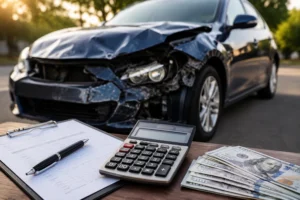
If you’ve ever wondered what is a car appraisal, you’re not alone. Whether you’re selling a vehicle, buying one, insuring a classic car, or settling an estate, understanding the true value of a car matters. A car’s price can vary dramatically depending on condition, market demand, mileage, and history. That’s where a car appraisal comes in.
I’ve seen many people assume their vehicle is worth far more—or far less—than it actually is. And those assumptions can cost real money. A professional appraisal provides a clear, objective valuation of a vehicle based on data, inspection, and market comparisons. It takes the guesswork out of the process.
In this guide, I’ll break down what is a car appraisal, why it matters, how it works, what factors influence the value, and how you can prepare your car to get the most accurate assessment.
What Is a Car Appraisal?
Let’s start with the core question: what is a car appraisal?
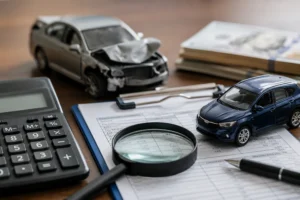
A car appraisal is a professional evaluation that determines the current market value of a vehicle. The value is calculated using several factors, including the car’s condition, mileage, age, modifications, and recent sales of similar vehicles.
In other words, it answers a very practical question:
What is this car realistically worth today?
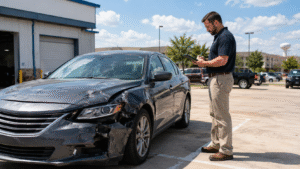
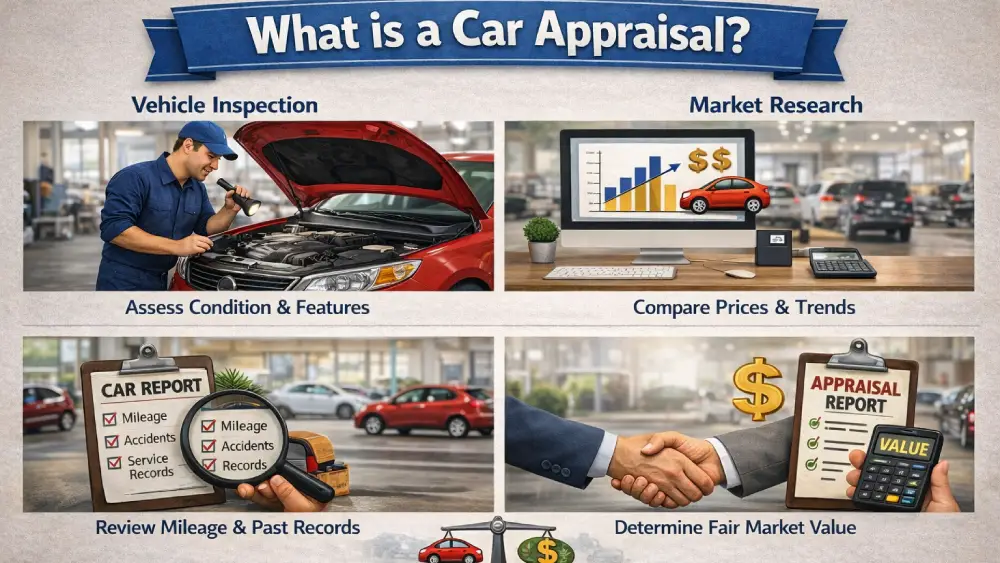
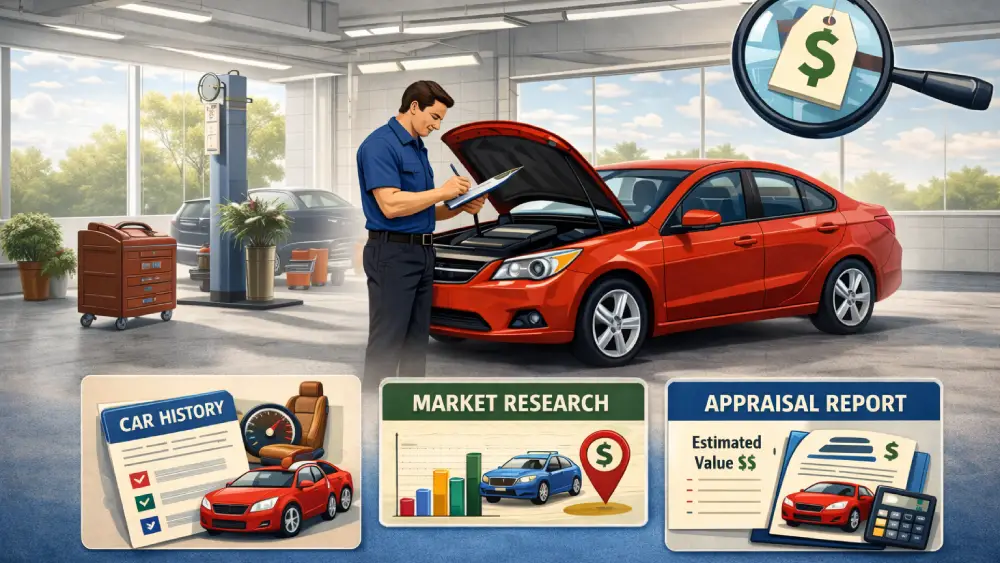
A proper appraisal usually includes:
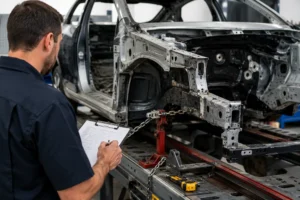
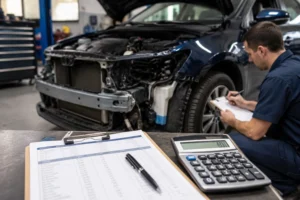
- A physical inspection of the vehicle
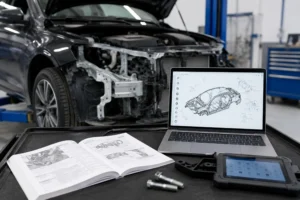
- Documentation review
- Market comparison analysis
- A written valuation report
The appraisal value is not always the same as the price someone might pay. Markets fluctuate. Negotiations happen. But the appraisal provides a credible baseline value supported by evidence.
Typically, appraisals are performed by:
- Certified automotive appraisers
- Dealership professionals
- Insurance specialists
- Classic car valuation experts
Each may have a slightly different purpose, but the underlying goal remains the same—determining fair value.
Why Car Appraisals Are Important
Once people understand what is a car appraisal, the next logical question is why they need one.
The reality is that appraisals serve multiple purposes. Some financial, some legal, and some simply practical.
Selling a Vehicle
If you’re planning to sell a car, pricing it correctly is critical.
Price it too high and buyers walk away. Price it too low and you lose money.
A car appraisal helps by:
- Establishing a realistic asking price
- Providing evidence during negotiations
- Building buyer trust
When buyers see an independent valuation, it signals transparency. That alone can speed up the sale.
Buying a Used Car
Buyers also benefit from knowing what is a car appraisal.
Used car prices vary widely. Without a professional valuation, buyers risk overpaying.
An appraisal can reveal:
- If the asking price is fair
- Hidden condition issues
- Market value based on comparable sales
This information turns guesswork into strategy.
Insurance Purposes
Insurance companies often require appraisals for high-value or collectible vehicles.
Why? Because replacement value matters.
For standard cars, insurers rely on depreciation formulas. But for classic cars, modified vehicles, or rare models, an appraisal provides an agreed value that both the owner and insurer recognize.
Without one, you might be underinsured.
Loan or Financing Requirements
Lenders sometimes request a vehicle appraisal before approving a loan.
They want confirmation that:
- The collateral (the vehicle) has real value
- The loan amount aligns with market price
In financing terms, it protects both the lender and the borrower.
Legal and Estate Situations
Car appraisals also appear in legal contexts.
Examples include:
- Divorce settlements
- Estate valuations
- Inheritance distribution
- Asset documentation
In these cases, a neutral third-party valuation is essential.
What Factors Affect a Car’s Appraisal Value?
Understanding what is a car appraisal also means understanding what influences the result.
Appraisers evaluate a vehicle from multiple angles. Small differences can significantly change the final valuation.
Vehicle Make, Model, and Year
Some vehicles simply hold value better.
Brands known for reliability or collector interest—such as Toyota, Porsche, or certain Ford models—often maintain stronger resale values.
Age also matters. But older doesn’t always mean less valuable. Classic cars sometimes appreciate!
Mileage
Mileage is one of the biggest value indicators.
Typical mileage expectations follow a simple rule:
- About 12,000–15,000 miles per year
Vehicles with significantly lower mileage may command higher prices. Extremely high mileage, on the other hand, lowers value due to expected wear.
Condition of the Vehicle
Condition plays a huge role in the appraisal process.
Appraisers evaluate:
- Exterior condition
- Interior wear
- Mechanical performance
- Tire condition
- Paint quality
- Frame integrity
Even small cosmetic flaws can slightly reduce the valuation.
Vehicle History
History matters almost as much as condition.
Appraisers review:
- Accident history
- Title status
- Number of previous owners
- Maintenance records
A clean history often increases value. A salvage title usually reduces it significantly.
Modifications and Upgrades
Custom features can influence appraisals in both directions.
Examples include:
- Performance upgrades
- Suspension modifications
- Custom wheels
- Technology enhancements
Some modifications add value. Others reduce it, particularly if they limit the vehicle’s mainstream appeal.
Market Demand and Location
Local markets matter more than many people realize.
For example:
- Trucks often sell for more in rural areas
- Electric vehicles may command higher prices in urban markets
- Convertibles may have stronger demand in warm climates
Appraisers factor these trends into the valuation.
How a Car Appraisal Is Done
To fully understand what is a car appraisal, it helps to see how the process works step by step.
A professional appraisal generally includes four stages.
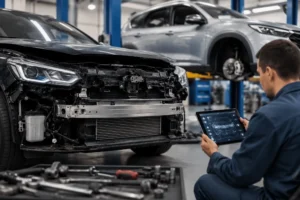
1. Vehicle Inspection
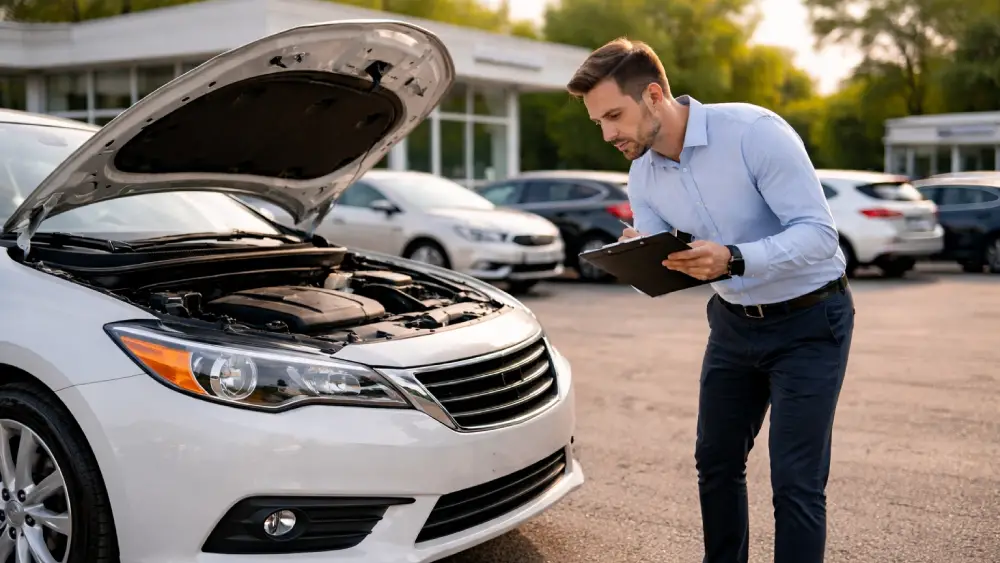
The inspection phase is thorough.
Appraisers review:
- Body condition
- Paint quality
- Interior wear
- Engine condition
- Fluid levels
- Tire condition
They may also test drive the vehicle to check performance.
2. Document Review
Documentation supports the vehicle’s story.
Important records include:
- Vehicle title
- VIN verification
- Maintenance records
- Repair receipts
- Ownership history
Well-documented vehicles often receive stronger valuations.
3. Market Comparison
Appraisers research comparable sales—often called “comps.”
They look at:
- Similar make and model vehicles
- Comparable mileage
- Matching condition levels
- Recent sale prices
This market comparison anchors the valuation in real data.
4. Final Valuation Report
Once inspection and research are complete, the appraiser produces a written report.
The report typically includes:
- Estimated fair market value
- Condition notes
- Comparable vehicle data
- Supporting documentation
This document can be used for insurance, legal matters, or sale negotiations.
Types of Car Appraisals
Not all appraisals are identical. Different situations require different approaches.
Understanding the options helps clarify what is a car appraisal in various contexts.
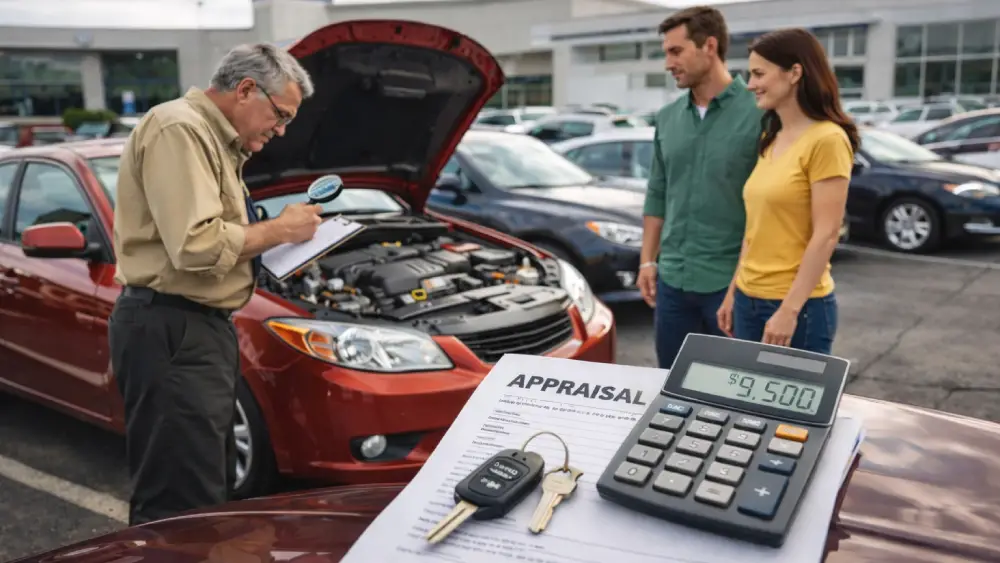
Professional Appraisals
These are performed by certified automotive appraisers.
They are typically required for:
- Insurance coverage
- Legal disputes
- Classic vehicle valuations
Professional appraisals provide the most comprehensive reports.
Online Car Appraisal Tools
Many websites offer instant estimates.
These tools rely on:
- Market databases
- Vehicle details entered by the user
- Regional pricing data
They’re convenient, but not always precise.
Insurance Appraisals
Insurance-specific appraisals determine the agreed value of a vehicle.
These are common for:
- Collector cars
- Modified vehicles
- Rare models
The appraisal establishes the payout value in case of damage or loss.
Dealership Appraisals
Dealerships often provide appraisals when evaluating a trade-in vehicle.
These tend to be quicker and may prioritize wholesale value rather than retail market value.
How Much Does a Car Appraisal Cost?
Costs vary depending on the vehicle and the complexity of the appraisal.
Typical price ranges include:
- Basic appraisal: $100–$200
- Professional certified appraisal: $200–$400
- Classic car appraisal: $300–$600 or more
Some dealerships and online tools offer free appraisals, though these may be less detailed.
If you’re dealing with insurance or legal documentation, paying for a certified appraisal is usually worth it.
How to Prepare Your Car for an Appraisal
Preparing your vehicle properly can improve both the accuracy and the outcome of an appraisal.
A few simple steps make a noticeable difference.
Clean the Vehicle
First impressions matter—even during an appraisal.
Wash the exterior. Vacuum the interior. Remove clutter.
A well-presented vehicle allows the appraiser to focus on condition rather than distractions.
Fix Minor Cosmetic Issues
Small repairs can increase perceived value.
Consider addressing:
- Scratches
- Interior stains
- Burned-out lights
- Loose trim
These inexpensive fixes can improve the overall condition rating.
Gather Documentation
Paperwork strengthens your appraisal.
Bring:
- Service records
- Repair receipts
- Upgrade documentation
- Ownership history
Documentation proves proper care.
Check Basic Maintenance
Before the appraisal, ensure:
- Tire pressure is correct
- Fluids are topped off
- Warning lights are resolved
A mechanically sound vehicle always appraises better.
Car Appraisal vs Car Inspection vs Car Valuation
Many people confuse these terms. They overlap slightly but serve different purposes.
| Term | Purpose | Who Performs It |
| Car Appraisal | Determines market value | Appraiser |
| Car Inspection | Identifies mechanical issues | Mechanic |
| Car Valuation | Data-based estimate | Online tools or dealers |
A car inspection focuses on mechanical health, while a car appraisal focuses on financial value.
Understanding this distinction is key when deciding which service you need.
How to Get a Car Appraisal
If you now understand what is a car appraisal, getting one is relatively straightforward.
The process usually looks like this:
- Choose a reputable appraiser
Look for certified professionals or reputable dealerships. - Schedule an inspection
This can take place at a shop, dealership, or sometimes your home. - Provide vehicle documentation
Maintenance history helps support the valuation. - Receive the appraisal report
The final report will include the estimated market value.
Most appraisals take 30 minutes to a few hours, depending on how detailed the inspection is.
Tips for Getting the Most Accurate Appraisal
Accuracy matters when determining a vehicle’s value.
Here are a few best practices I always recommend.
- Use certified appraisers whenever possible
- Compare more than one valuation
- Be transparent about vehicle history
- Keep organized service records
- Understand local market conditions
These steps ensure the appraisal reflects the vehicle’s true value.
And that’s ultimately the entire purpose of the process.
Conclusion
So, what is a car appraisal?
At its core, it’s a professional evaluation that determines the fair market value of a vehicle. It combines physical inspection, documentation review, and real market data to produce an accurate estimate.
Car appraisals are useful in many situations—from selling and buying vehicles to securing insurance, financing, or resolving legal matters. They remove uncertainty and replace it with objective information.
If you’re dealing with a vehicle that has meaningful financial value, getting an appraisal can save money, strengthen negotiations, and provide peace of mind.
Sometimes the smartest financial move is simply knowing what something is truly worth. A proper car appraisal delivers exactly that.
Frequently Asked Questions
Most appraisals take between 30 minutes and a couple of hours, depending on how detailed the inspection and documentation review are.
Yes. Many independent appraisers offer mobile services or remote evaluations using photos, documents, and vehicle details.
No. Online estimates provide rough price ranges but usually lack the detailed inspection required for an official appraisal.
It’s not required, but it can help you price the vehicle accurately and negotiate with buyers more confidently.
Bring the vehicle title, service records, repair receipts, and documentation of upgrades or modifications.
Cleaning and minor cosmetic improvements can help the vehicle appear better maintained, which may positively influence the evaluation.
Yes. Classic and collectible vehicles often require specialized appraisers who consider rarity, restoration quality, and collector demand.
Some modifications can increase value, but others may reduce it if they limit buyer interest or alter the vehicle significantly.
Most cars only need an appraisal when selling, insuring, or handling legal matters, though collectible cars may need periodic updates.
Certified automotive appraisers, experienced dealerships, and insurance specialists typically perform professional appraisals.