When a vehicle changes hands, becomes part of a legal matter, or needs to be evaluated after damage, knowing its true value suddenly matters a lot. Yet many vehicle owners aren’t quite sure how to get an appraisal on a car or what the process actually involves. I’ve seen this happen repeatedly. Someone assumes the value of their vehicle based on a quick online estimate, only to realize later that the real market value is thousands of dollars different. Sometimes higher. Sometimes lower. Either way, that gap can have real financial consequences.
A professional appraisal brings clarity. It documents the condition of the vehicle, analyzes market data, and produces a credible valuation report that insurers, courts, and buyers can rely on. In this guide, we’ll walk step-by-step through how to get an appraisal on a car, what professional appraisers look for, how much it costs, and how to make sure you receive the most accurate valuation possible.
What Is a Car Appraisal?
A car appraisal is a professional evaluation of a vehicle’s current market value. The appraiser examines the vehicle’s condition, mileage, history, and comparable sales to determine a fair and defensible value. Think of it as the automotive version of a home appraisal. The goal isn’t just an opinion it’s a documented valuation supported by real data.
Professional car appraisals are commonly used for:
- Insurance claims
- Accident damage or diminished value disputes
- Classic car valuations
- Vehicle sales
- Estate settlements
- Divorce asset division
- Loan collateral documentation
Appraisal vs Estimate
Many people confuse a dealership estimate or online price tool with a formal appraisal. They are very different.
| Type | What It Is | Reliability |
| Online valuation tools | Automated value estimates using general market data | Moderate |
| Dealer trade-in estimate | A purchase offer from a dealership | Often lower than market |
| Professional car appraisal | Detailed inspection with documented valuation report | Highest reliability |
If legal documentation or insurance negotiations are involved, a professional appraisal is usually required.
Common Situations Where You Need a Car Appraisal
You may not think about appraisals until you suddenly need one. And when that moment comes, time matters. Here are the most common scenarios.
Selling a Vehicle
When selling a vehicle privately, determining fair market value is critical. Too high and the car sits unsold. Too low and you lose money. A professional appraisal gives you a solid pricing anchor.
Insurance Claims
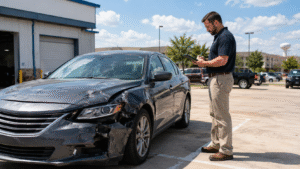
After an accident, insurers calculate the value of the vehicle to determine payouts. Sometimes the offer feels low and it often is. An independent appraisal provides documentation that can challenge undervalued settlements.
Classic or Collector Cars
Vintage vehicles fluctuate in value based on rarity, restoration quality, and market demand. A standard price guide doesn’t capture those nuances. That’s where specialty appraisers come in.
Legal and Financial Situations
Car appraisals are frequently required for:
- Divorce asset division
- Estate planning or probate
- Bankruptcy proceedings
- Business asset valuation
In these cases, courts often require formal documentation.
Types of Car Appraisals
Before learning how to get an appraisal on a car, it helps to understand the different types available.
In-Person Vehicle Appraisals
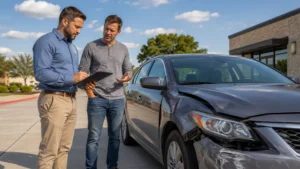
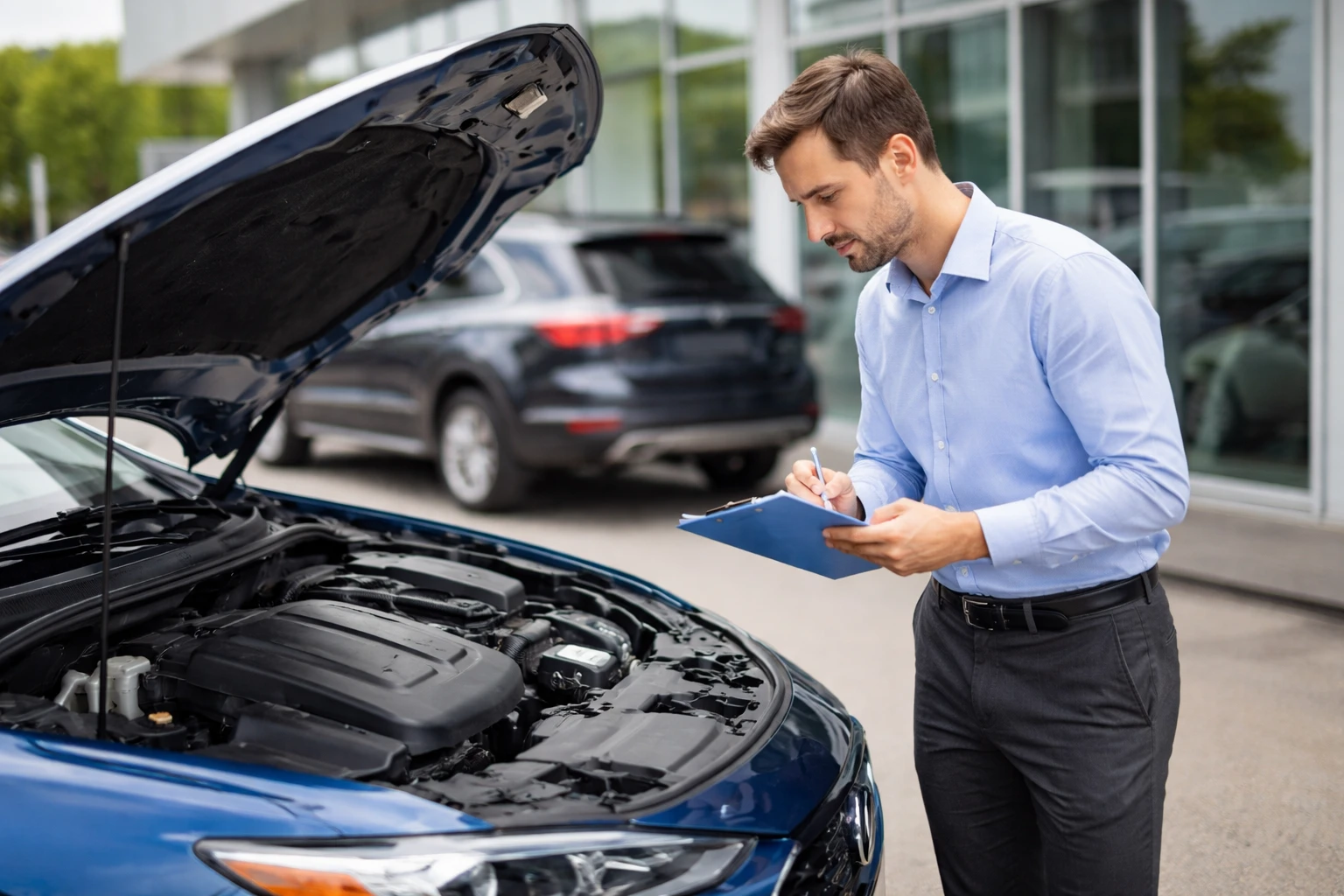
This is the most detailed method. The appraiser physically inspects the vehicle, examines the engine bay, interior, paint condition, and verifies documentation.
Best for:
- Classic cars
- Legal disputes
- Insurance negotiations
- High-value vehicles
Online or Remote Appraisals
Some companies now offer remote appraisals based on photographs, documents, and video calls. This works well for standard vehicles where detailed mechanical inspection isn’t necessary.
Insurance Appraisals
These are often used in accident disputes or diminished value claims. The appraisal report becomes part of the insurance negotiation process.
Classic Car Specialty Appraisals
Classic vehicle valuations require deeper expertise because pricing depends on:
- Original components
- Restoration quality
- Production rarity
- Auction history
Determining value often involves analytical thinking similar to fields that rely on structured reasoning such as Epistemology, the study of knowledge and justification. Appraisers gather evidence, analyze it, and arrive at a supported conclusion about a vehicle’s value.
How to Get an Appraisal on a Car (Step-by-Step)
Let’s break down how to get an appraisal on a car into practical steps you can follow.
Step 1: Determine Why You Need the Appraisal
Start with the purpose. Your reason affects the type of appraiser you should hire.
Common reasons include:
- Selling the vehicle
- Insurance dispute
- Legal valuation
- Estate planning
- Classic car valuation
Clarity here saves time later.
Step 2: Gather Important Vehicle Information
Professional appraisers rely heavily on accurate documentation.
Prepare these items ahead of time:
- Vehicle Identification Number (VIN)
- Current mileage
- Title and registration
- Maintenance records
- Repair receipts
- Accident history
The more documentation you provide, the stronger the appraisal report becomes.
Step 3: Document the Vehicle’s Condition
Before the inspection, record the vehicle’s condition yourself.
Take photos of:
- Exterior panels
- Wheels and tires
- Interior seating
- Dashboard and electronics
- Engine compartment
Good documentation speeds up the appraisal process.
Step 4: Research Qualified Auto Appraisers
Not all appraisers are equal. Look for professionals who specialize in automotive valuation and provide formal written reports.
When researching how to get an appraisal on a car, focus on appraisers who:
- Have certification or industry credentials
- Provide written appraisal reports
- Have experience with your vehicle type
- Offer clear pricing
Avoid anyone who provides only verbal estimates.
Step 5: Schedule the Appraisal
Once you choose an appraiser, schedule the inspection.
During an in-person evaluation, the appraiser will typically:
- Verify VIN and documentation
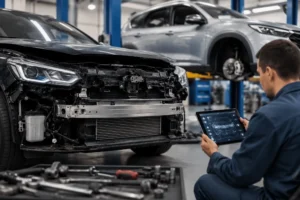
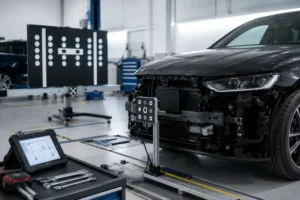
- Inspect mechanical components
- Evaluate cosmetic condition
- Photograph the vehicle
- Research comparable sales
Inspections usually take between 30 minutes and two hours, depending on vehicle complexity.
Step 6: Receive the Appraisal Report
After the inspection, the appraiser prepares a formal report.
This document typically includes:
- Vehicle description
- Condition analysis
- Market comparison data
- Final valuation estimate
- Supporting documentation
This report is the key output when learning how to get an appraisal on a car, because it provides credible evidence of value.
What Appraisers Look at When Evaluating a Vehicle
A professional appraisal is far more detailed than most people expect. Let’s break down what appraisers actually examine.
Vehicle Identification
The VIN confirms the vehicle’s identity and verifies specifications such as:
- Engine type
- Manufacturing details
- Trim package
It also reveals accident or ownership history.
Mechanical Condition
Appraisers evaluate the vehicle’s mechanical performance.
They look for:
- Engine performance
- Transmission behavior
- Suspension condition
- Brake wear
- Warning lights
Major mechanical issues can significantly impact value.
Cosmetic Condition
The exterior and interior matter more than many owners realize.
Appraisers examine:
- Paint quality
- Body panel alignment
- Interior upholstery wear
- Dashboard condition
- Window integrity
Cosmetic flaws can lower valuation if they suggest neglect.
Mileage and Usage
Mileage plays a major role in vehicle pricing. Lower mileage often increases value but only when the vehicle has been properly maintained. Appraisers consider both mileage and maintenance history together.
Market Comparisons
This step is critical. Appraisers review recent sales of similar vehicles in the market. These comparable listings help establish realistic value.
They consider:
- Model year
- Trim level
- Mileage range
- Geographic market trends
This research anchors the appraisal in real-world pricing.
Documents You May Need for a Car Appraisal
Preparing the right documents ahead of time can speed up the process and improve accuracy.
Here are the most helpful records.
- Vehicle title
- Registration documents
- Maintenance logs
- Repair receipts
- Accident reports
- Restoration records (for classic cars)
- Photographs of the vehicle
Even partial records can strengthen the final report.
How Much Does a Car Appraisal Cost?
Pricing varies depending on the vehicle type and the complexity of the appraisal. Here’s a typical range.
| Type of Appraisal | Typical Cost |
| Standard vehicle appraisal | $100 – $300 |
| Insurance damage appraisal | $250 – $500 |
| Classic car appraisal | $300 – $800+ |
Factors That Influence Cost
Several variables affect pricing:
- Vehicle complexity
- Inspection location
- Appraiser expertise
- Documentation requirements
Classic car appraisals usually cost more because they require deeper research.
When the Cost Is Worth It
A professional appraisal can prevent undervaluing a vehicle during sale or insurance settlement. Sometimes the difference can be thousands of dollars. That makes the appraisal fee a smart investment.
How Long a Car Appraisal Takes
Another common question when learning how to get an appraisal on a car is how long the process takes.
Inspection Time
Physical inspections usually take:
- 30 minutes for standard vehicles
- 1–2 hours for complex or collector cars
Report Preparation
After the inspection, the written appraisal report typically takes 24–72 hours to complete.
Factors That Affect Timing
- Appraiser workload
- Market research complexity
- Documentation review
Most appraisals are completed within a few days.
Tips to Get the Most Accurate Car Appraisal
Want the best possible valuation? Preparation matters. Here are several practical tips.
Clean and Prepare the Vehicle
A well-presented vehicle allows the appraiser to clearly evaluate its condition. Wash the exterior and vacuum the interior before inspection.
Provide Complete Documentation
Maintenance history demonstrates proper care and increases buyer confidence.
Bring every repair record you have.
Be Honest About Vehicle History
Hidden damage or undisclosed issues can undermine an appraisal report.
Transparency leads to more accurate valuations.
Consider Multiple Appraisals
If the vehicle value significantly impacts a financial decision, getting two independent appraisals can provide useful perspective.
Online Tools vs Professional Car Appraisals
Online tools have improved significantly in recent years.
But they still have limitations.
Online Valuation Tools
These provide quick estimates using large databases of vehicle listings.
Advantages:
- Instant results
- Free or low cost
- Good starting point
Limitations:
- No condition inspection
- Limited market nuance
Professional Appraisals
Professional appraisals involve:
- Physical inspection
- Documentation review
- Market research
- Written valuation report
This level of analysis is essential when legal or insurance matters are involved.
When Each Option Makes Sense
Use online tools for:
- Quick price checks
- Early resale planning
Use professional appraisals for:
- Insurance claims
- Legal documentation
- High-value vehicles
- Classic cars
Understanding this distinction is key when learning how to get an appraisal on a car.
Red Flags When Hiring a Car Appraiser
Unfortunately, not all appraisal services meet professional standards.
Watch for these warning signs.
- No written appraisal report
- Extremely low or inflated valuations
- Lack of verifiable credentials
- No comparable market data provided
A legitimate appraiser should always produce a detailed written report explaining the valuation.
Final Thoughts
Understanding how to get an appraisal on a car can save time, money, and frustration when vehicle value matters.
The process itself isn’t complicated but choosing the right appraiser and preparing proper documentation makes a huge difference. With the right information in hand, you gain something incredibly valuable: clarity.
A professional appraisal transforms guesswork into evidence. And when financial decisions are involved, that level of certainty is worth every penny.
FAQs
A car appraisal is a professional evaluation of a vehicle’s current market value based on its condition, mileage, history, and comparable sales.
People typically need appraisals when selling a vehicle, filing an insurance claim, handling legal matters, or determining the value of a classic or collectible car.
To get an appraisal on a car, contact a certified auto appraiser, provide vehicle documentation, schedule an inspection, and receive a written valuation report.
Most standard car appraisals cost between $100 and $300, though classic or specialized vehicle appraisals may cost more.
A vehicle inspection usually takes 30 minutes to two hours, and the final appraisal report is typically delivered within one to three days.
Yes, some companies offer remote car appraisals using photos, videos, and documentation, though in-person inspections are often more detailed.
You should provide the vehicle’s VIN, mileage, title, maintenance records, repair history, and any documentation related to accidents or upgrades.
No, dealership appraisals are usually trade-in estimates, while professional appraisals provide a documented market valuation.
Appraisers consider mileage, condition, service history, accident history, modifications, and current market demand for similar vehicles.
In some cases, insurance companies require or accept independent appraisals to determine fair market value or diminished value after an accident.