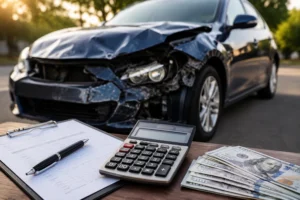
Car accidents are stressful. One moment you’re driving normally, and the next you’re staring at a damaged bumper, a dented door, or worse. That’s where the auto insurance appraiser enters the picture. This professional plays a critical role in determining how much damage occurred, what repairs should cost, and whether the vehicle is even worth repairing.
An auto insurance appraiser acts as the bridge between drivers, insurance companies, and repair shops. Their job is simple in theory but complex in practice: inspect the vehicle, document damage, estimate repair costs, and ensure the claim reflects the true condition of the car. When done correctly, their work keeps the entire claims process fair and transparent. In this guide, we’ll explore what an auto insurance appraiser does, how the appraisal process works, and why their expertise matters so much when insurance claims are on the line.
What Is an Auto Insurance Appraiser?
An auto insurance appraiser is a professional who evaluates vehicle damage after accidents or other incidents. Their job is to determine how much it will cost to repair the car and whether those repairs are economically reasonable. While the role may sound similar to an insurance adjuster, the responsibilities are different.
Here’s a quick breakdown:
| Role | Primary Responsibility |
| Insurance Adjuster | Manages the entire insurance claim |
| Auto Insurance Appraiser | Evaluates vehicle damage and repair costs |
| Repair Estimator | Creates repair estimates for body shops |
Think of the auto insurance appraiser as the technical expert who focuses specifically on the vehicle itself.
They inspect the car.
They analyze the damage.
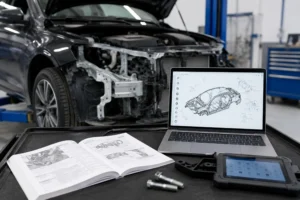
They estimate repair costs using professional software and industry pricing databases.
Without this step, insurance claims would be based on guesswork instead of objective analysis.
The Responsibilities of an Auto Insurance Appraiser
The daily work of an auto insurance appraiser involves far more than just glancing at dents. Their evaluation affects repair decisions, claim settlements, and sometimes even legal disputes. Let’s break down their core responsibilities.
Vehicle Damage Inspection
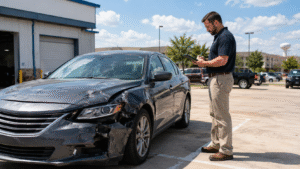
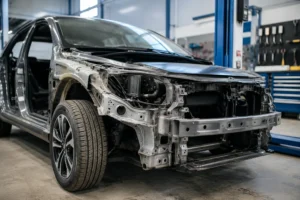
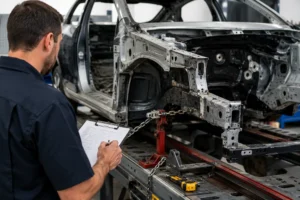
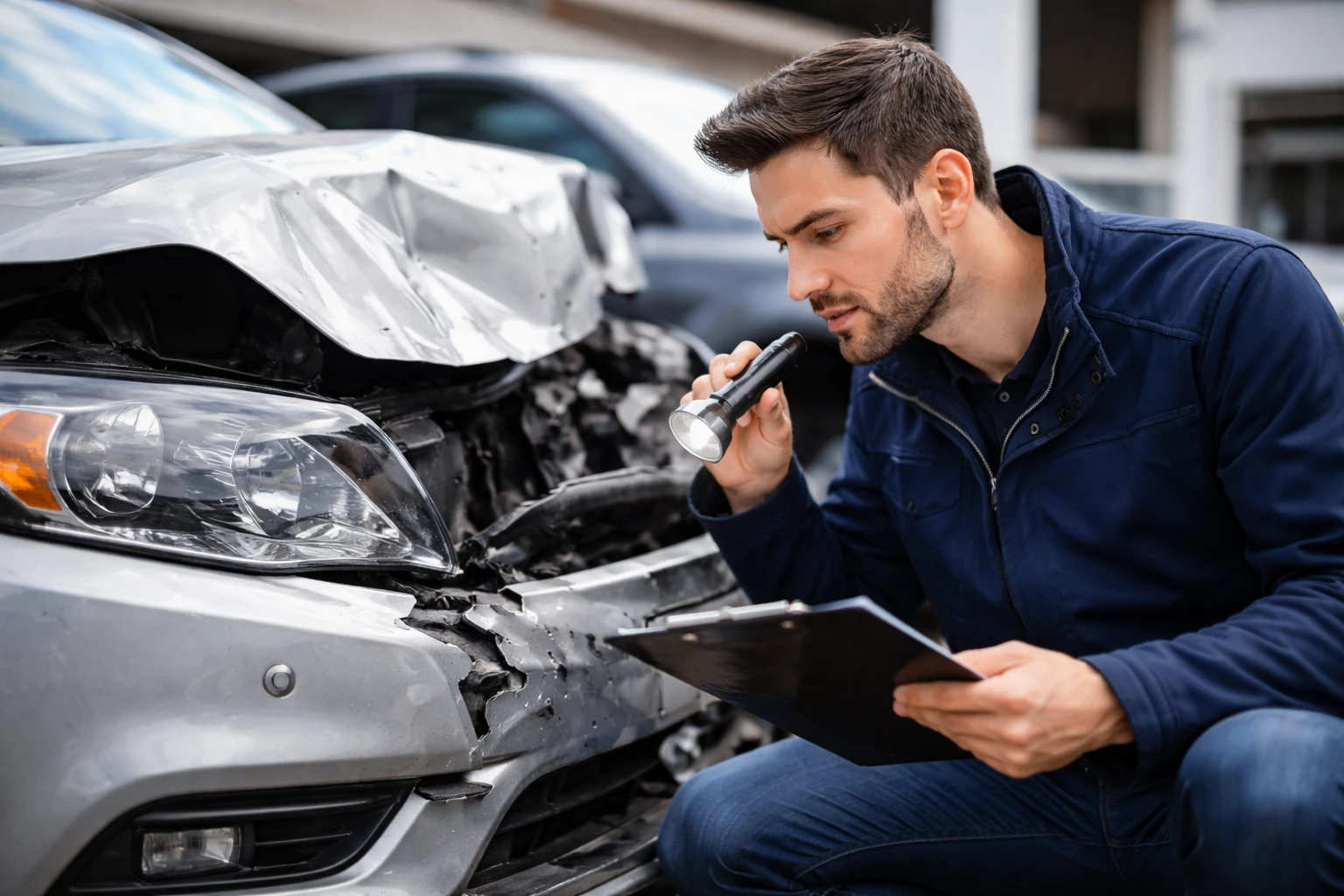
The first task is a thorough inspection. The appraiser examines the vehicle carefully, looking for both obvious and hidden damage. Collision damage often spreads beyond what’s visible on the surface. A bent frame or damaged suspension component may not be obvious at first glance.
During inspections, an appraiser typically:
- Checks structural components
- Examines panels and paint damage
- Evaluates mechanical systems
- Takes detailed photos
- Records all visible issues
This documentation becomes the foundation of the entire claim.
Repair Cost Estimation
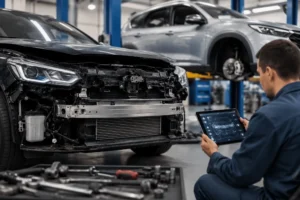
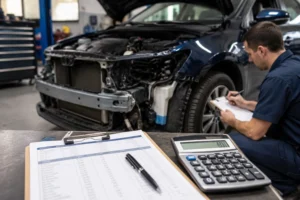
Once damage is identified, the next step is calculating repair costs. An auto insurance appraiser uses specialized estimating software that contains industry-standard labor rates and parts pricing. These systems allow appraisers to build a repair estimate piece by piece.
Typical costs included in an estimate:
- Replacement parts
- Labor hours
- Paint and refinishing
- Frame repair
- Mechanical repairs
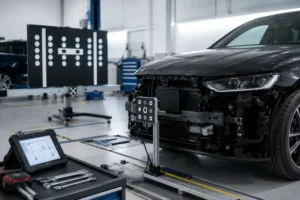
- Calibration for modern sensors
Modern vehicles contain cameras, sensors, and advanced safety systems, which means repair estimates today are far more complex than they were a decade ago.
Determining Total Loss
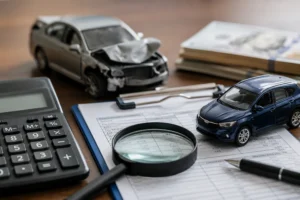
Sometimes repairs simply cost too much. When repair costs approach or exceed the vehicle’s market value, the auto insurance appraiser may determine that the car is a total loss. This decision usually follows a formula used by insurance companies.
| Factor | Description |
| Vehicle market value | What the car was worth before the accident |
| Estimated repair cost | Total cost to restore the vehicle |
| Salvage value | Value of the damaged vehicle |
If repair costs exceed a certain percentage of the car’s value, insurers may declare it a total loss. It’s not always an easy call. But it protects both the insurer and the vehicle owner from spending more money than the car is worth.
Preparing Detailed Appraisal Reports
The final step is documentation.
The auto insurance appraiser prepares a detailed report that includes:
- Damage descriptions
- Repair estimates
- Photos
- Vehicle identification information
- Notes about structural or mechanical concerns
These reports are shared with insurance companies, repair shops, and sometimes policyholders. Accuracy here matters. A well-prepared report can prevent disputes later in the process.
When an Auto Insurance Appraiser Is Needed
Most drivers only encounter an auto insurance appraiser after an accident. But there are several situations where their expertise becomes essential.
Common scenarios include:
- After a vehicle collision
- When filing a comprehensive insurance claim
- During disputes over repair estimates
- For classic or collector car valuations
- When determining diminished vehicle value
Sometimes insurance companies assign their own appraiser. In other cases, vehicle owners hire an independent professional. The goal remains the same: determine the real cost of the damage.
The Auto Insurance Appraisal Process
Understanding how the appraisal process works can make insurance claims far less intimidating. Here’s how it typically unfolds.
Step 1: Filing the Insurance Claim
Everything starts with a claim. After an accident, the driver reports the incident to their insurance company. Basic information is collected, including photos, accident details, and policy information.
The insurer then assigns the case to a claims adjuster and schedules an inspection with an auto insurance appraiser.
Step 2: Vehicle Inspection
Next comes the inspection.
The auto insurance appraiser may inspect the car:
- At a repair shop
- At the owner’s home
- At a storage facility
- Through digital photo submissions
In-person inspections are still the most thorough. But digital inspections have become increasingly common thanks to mobile technology.
Step 3: Damage Documentation
The appraiser then documents the vehicle carefully.
This includes recording:
- Exterior damage
- Structural issues
- Interior damage
- Mechanical concerns
Photos are taken from multiple angles, and each damaged component is noted in the appraisal system.
This step ensures nothing gets overlooked.
Step 4: Repair Cost Calculation
Once the damage is recorded, the auto insurance appraiser builds a repair estimate.
This process includes:
- Identifying parts that must be replaced
- Determining repair labor hours
- Calculating paint and refinishing costs
- Adding diagnostic and calibration procedures
Modern cars contain advanced safety systems that often require recalibration after repairs. These costs are included in the estimate.
Tools and Technology Used by Auto Insurance Appraisers
The work of an auto insurance appraiser relies heavily on specialized tools and software. These technologies help produce accurate and standardized repair estimates.
Common tools include:
- Digital estimating software
- Vehicle valuation databases
- Mobile inspection apps
- Photo documentation systems
These platforms allow appraisers to compare repair costs across regions and maintain consistent standards.
Skills Required to Be an Effective Auto Insurance Appraiser
The best auto insurance appraiser professionals combine technical knowledge with strong analytical thinking. Let’s look at the skills that matter most.
Technical Vehicle Knowledge
Appraisers must understand:
- Vehicle construction
- Collision repair methods
- Mechanical systems
- Modern safety technology
Without this knowledge, damage assessments can easily miss critical details.
Attention to Detail
Small details often hide big problems. A minor dent might indicate deeper structural damage underneath. Experienced appraisers know where to look and how to investigate thoroughly. Precision matters.
Communication Skills
Appraisers regularly communicate with:
- Insurance adjusters
- Repair technicians
- Vehicle owners
They must explain findings clearly and professionally. Miscommunication can delay claims or create disputes.
Analytical Thinking
Every repair estimate requires analysis. In many professions, experts rely on mental shortcuts or structured reasoning methods when evaluating complex problems. In decision science this type of practical reasoning is often described as a heuristic a strategy that helps professionals quickly analyze complicated situations based on experience and available data.
An experienced auto insurance appraiser uses a similar approach when comparing repair costs with vehicle value and determining the most practical repair path. Sometimes repairing the car makes sense. Sometimes replacing it does. The decision must always be supported by evidence.
Auto Insurance Appraiser vs Independent Appraiser
There are two main types of appraisers involved in vehicle claims.
| Type | Who They Work For |
| Insurance company appraiser | Works for the insurer |
| Independent appraiser | Hired by vehicle owners or third parties |
An independent auto insurance appraiser is often brought in when disputes arise over repair estimates or settlement amounts. This third-party evaluation can provide a neutral perspective. In many states, insurance policies even include an appraisal clause allowing both sides to hire their own appraisers if disagreements occur.
Common Challenges in Auto Insurance Appraisals
The job isn’t always straightforward. Auto damage can be unpredictable, and disagreements sometimes occur.
Some common challenges include:
- Hidden structural damage
- Additional damage discovered during repairs
- Disputes over labor rates
- Rising cost of replacement parts
- Determining diminished vehicle value
A skilled auto insurance appraiser knows how to navigate these situations with professionalism and technical expertise.
Tips for Working With an Auto Insurance Appraiser
If you’re involved in an accident claim, a few simple steps can make the process smoother.
Document Everything
Take clear photos of the vehicle immediately after the accident.
Keep Repair Estimates
Estimates from trusted repair shops can provide useful reference points.
Ask Questions
If anything in the appraisal report seems confusing, request clarification. Understand Your Insurance Policy Some policies allow independent appraisals if disagreements arise. Being informed always helps.
Why Accurate Auto Insurance Appraisals Matter
An accurate appraisal protects everyone involved. For drivers, it ensures repairs are properly covered. For insurers, it prevents inflated claims and unnecessary costs. Most importantly, accurate appraisals support safe vehicle repairs. Poorly evaluated damage can affect structural safety, vehicle handling, and modern driver-assistance systems. That’s why the role of the auto insurance appraiser remains essential in the insurance ecosystem.
The Future of Auto Insurance Appraisals
Technology is changing the industry. Remote inspections are becoming common. Drivers can upload photos using mobile apps, allowing preliminary estimates to be generated quickly. Artificial intelligence is also helping identify damage patterns from images. But even with advanced tools, the human expertise of the auto insurance appraiser remains critical. Technology assists the process. Experience still guides the decision.
Final Thoughts
Car accidents are disruptive events, and the insurance process can feel complicated. The auto insurance appraiser plays a key role in bringing clarity and fairness to that process. They inspect the vehicle. They document the damage. They calculate repair costs using real data. Their expertise ensures that repairs are handled correctly and settlements reflect the true value of the damage. Understanding how an auto insurance appraiser works helps drivers navigate claims with greater confidence and ensures that when the unexpected happens on the road, the path to resolution is clear.
FAQs
An auto insurance appraiser inspects vehicle damage after an accident and estimates the cost of repairs or determines if the car is a total loss.
No. An adjuster manages the insurance claim overall, while the auto insurance appraiser focuses specifically on evaluating the vehicle damage and repair costs.
An appraiser typically inspects the vehicle after an insurance claim is filed and the insurer needs a professional damage assessment.
Yes. Vehicle owners can hire an independent auto insurance appraiser if they disagree with the insurance company’s repair estimate.
The inspection itself usually takes 30 minutes to an hour, while the final report may take a few hours or a day depending on the damage complexity.
The report usually includes damage descriptions, repair estimates, photographs, vehicle identification details, and notes about structural or mechanical concerns.
If repair costs exceed the vehicle’s value, the insurance company may declare it a total loss and offer a settlement based on the car’s market value.
Many inspections are done in person, but some insurers now allow digital inspections using photos or video submitted through mobile apps.
They typically use specialized estimating software, vehicle valuation databases, photo documentation tools, and digital inspection platforms.
An auto insurance appraiser ensures repair estimates are accurate, helping prevent disputes and ensuring fair insurance claim settlements.