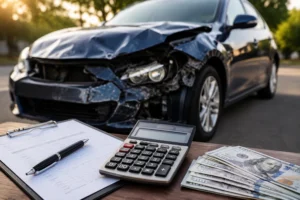
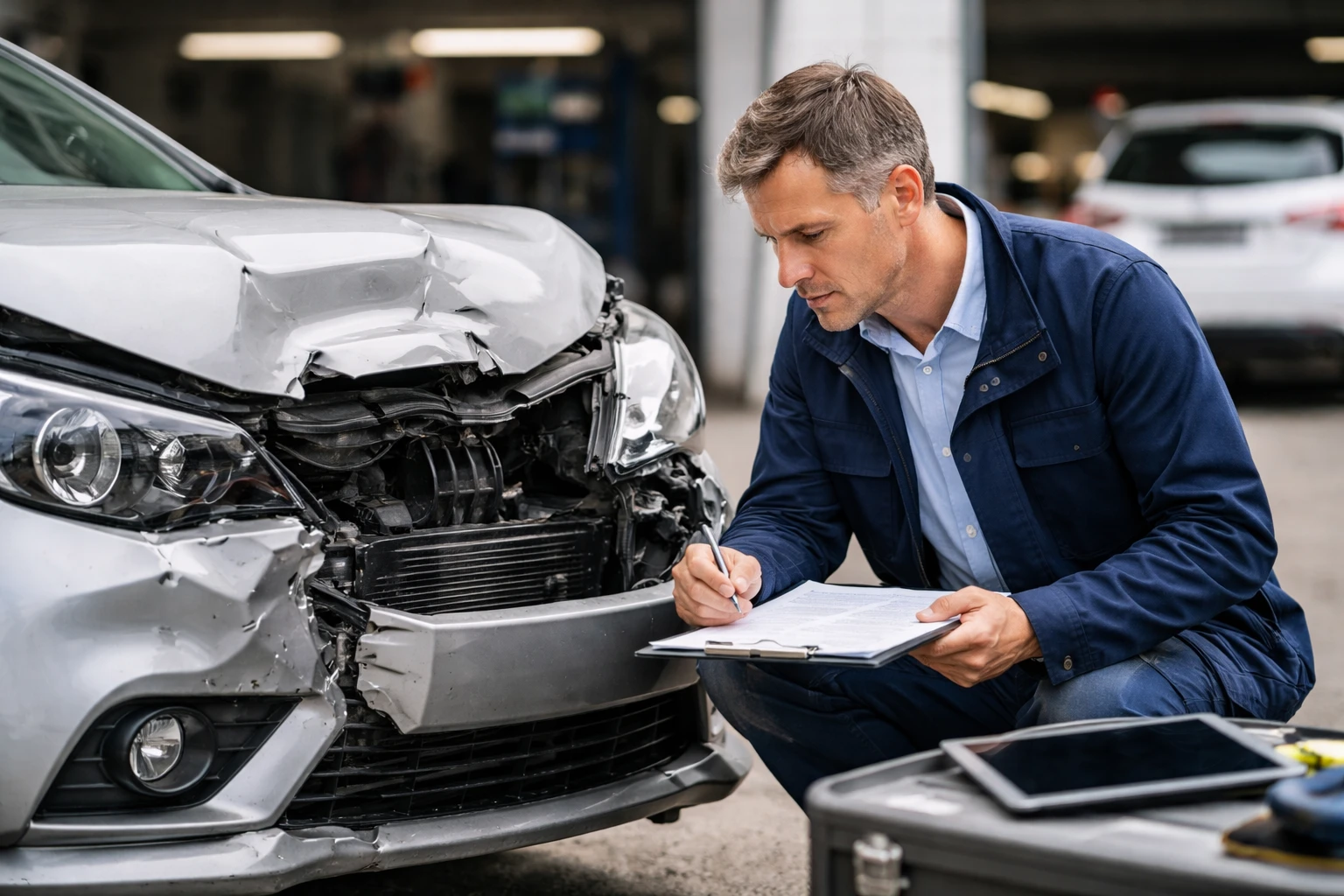
Accidents happen fast. One second everything is normal. The next, your vehicle is damaged and you’re left wondering what comes next. This is where an auto damage appraiser becomes one of the most important professionals in the entire claims process. I’ve seen it many times. A vehicle owner receives a repair estimate that seems suspiciously low. Or the insurance company declares a vehicle a total loss when the owner believes it could be repaired. Situations like these are exactly why an auto damage appraiser exists.
Their job is simple in concept but powerful in impact: evaluate the damage accurately and determine what it will truly cost to restore the vehicle. No shortcuts. No guesswork. Whether you’re dealing with an accident, a dispute with an insurer, or simply want a professional second opinion, understanding the role of an auto damage appraiser can save you time, stress, and potentially thousands of dollars.
Let’s break down exactly what they do and why their work matters so much.
What Is an Auto Damage Appraiser?
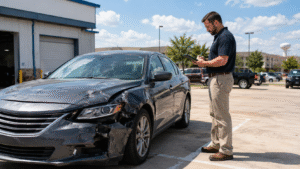
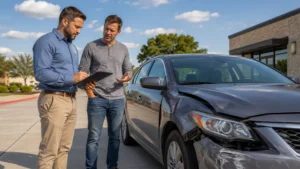
An auto damage appraiser is a professional who inspects vehicles to determine the extent of damage and estimate repair costs. Their work is used by vehicle owners, repair shops, insurance companies, and legal professionals.
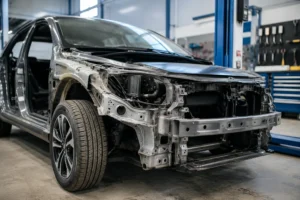
The key difference? Accuracy and objectivity. An auto damage appraiser focuses on identifying every element of damage from obvious dents and crushed panels to hidden structural problems that may not be visible at first glance.
Core Responsibilities of an Auto Damage Appraiser
A professional appraisal involves several important tasks:
- Inspecting damaged vehicles
- Identifying visible and hidden damage
- Estimating repair costs
- Determining if a vehicle should be declared a total loss
- Calculating pre-accident vehicle value
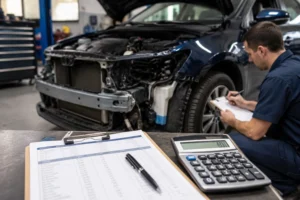
- Producing a detailed appraisal report
- Communicating findings with repair shops and insurers
Every detail matters. Even a small oversight can lead to thousands of dollars in unexpected repair costs later. That’s why experience and attention to detail are essential qualities for a reliable auto damage appraiser.
When You Might Need an Auto Damage Appraiser
Many people assume appraisers are only needed for severe accidents. In reality, there are several situations where hiring an auto damage appraiser can make a huge difference.
After a Car Accident
After any collision, determining the true cost of repairs is essential. Insurance estimates can sometimes overlook structural damage, suspension issues, or electronic components affected by the crash. An independent appraisal ensures nothing is missed.
Disputed Insurance Estimates
One of the most common reasons vehicle owners seek an auto damage appraiser is disagreement with an insurance repair estimate. If the repair quote seems unusually low, an independent appraisal can provide a more detailed assessment.
Total Loss Evaluations
Sometimes insurers declare a vehicle a total loss based on their cost calculations.
An auto damage appraiser may determine:
- The repair cost is lower than estimated
- The vehicle’s market value is higher than reported
- The total loss determination is inaccurate
This can significantly impact settlement payouts.
Classic or Specialty Vehicles
High-value or collectible vehicles require specialized evaluation. Standard insurance formulas often fail to account for rarity, restoration quality, collector demand, or custom modifications. A skilled auto damage appraiser understands these factors and provides a more accurate valuation.
Diminished Value Claims
Even after repairs, a vehicle may lose resale value simply because it has an accident history. This loss is called diminished value. An auto damage appraiser can calculate that loss and provide documentation for compensation claims.
The Auto Damage Appraisal Process
A professional appraisal follows a structured process designed to uncover every detail of damage. Here is what typically happens.
Step 1: Initial Consultation
The process begins with gathering information about the incident.
This may include:
- accident details
- photographs
- insurance claim information
- vehicle history
- repair estimates
The appraiser uses this information to prepare for the inspection.
Step 2: Vehicle Inspection
Next comes the physical inspection.
This step is thorough. A professional auto damage appraiser looks far beyond surface damage.
Inspection typically includes:
- body panel damage
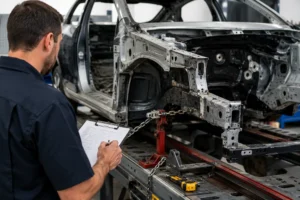
- frame alignment
- suspension components
- mechanical systems
- safety systems
- paint damage
- hidden structural issues
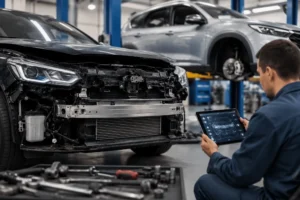
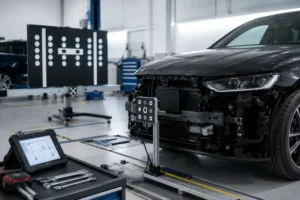
Sometimes specialized measuring tools are used to detect frame distortions.
Step 3: Damage Documentation
Every damaged component must be documented carefully.
Appraisers take detailed photographs and notes to support their findings.
Documentation typically includes:
- photos of damaged areas
- part replacement lists
- labor estimates
- repair procedures
This information becomes the foundation of the appraisal report.
Step 4: Market Value Assessment
Repair cost alone is not enough.
A skilled auto damage appraiser also determines the vehicle’s value before the accident occurred.
Factors considered include:
- vehicle age
- mileage
- condition
- regional market prices
- trim level and options
- vehicle demand
This step is critical for total loss decisions and settlement negotiations.
Step 5: Appraisal Report
Finally, the appraiser produces a detailed written report.
This report includes:
- vehicle details
- damage description
- repair cost estimate
- market value analysis
- supporting photographs
- professional conclusions
This report can be used in negotiations with insurance companies or legal proceedings if necessary.
Tools and Technology Used by Auto Damage Appraisers
Modern vehicle appraisals rely on technology just as much as experience.
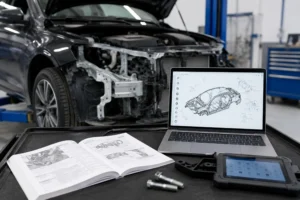
Today’s auto damage appraiser often uses advanced digital tools to ensure precision.
Common tools include:
- digital estimating software
- vehicle valuation databases
- frame measurement systems
- repair cost databases
- photo documentation software
These systems allow appraisers to compare repair procedures and costs across thousands of vehicles and repair facilities.
Accuracy improves dramatically when technology and expertise work together.
In fact, analyzing damage patterns and vehicle performance sometimes involves technical concepts from fields like tribology the science of friction, wear, and lubrication between surfaces in motion. While not every appraisal requires this level of analysis, understanding how materials interact during collisions can help experts interpret certain damage patterns more accurately.
Auto Damage Appraiser vs Insurance Adjuster
Many vehicle owners confuse these two roles.
They sound similar, but they serve different purposes.
| Auto Damage Appraiser | Insurance Adjuster |
| Independent vehicle damage specialist | Insurance company representative |
| Focuses on accurate repair estimates | Focuses on claim processing |
| May work for vehicle owners | Works for the insurer |
| Provides appraisal reports | Determines claim payout |
This distinction is important.
An independent auto damage appraiser focuses on evaluating the vehicle itself. Insurance adjusters focus on managing the claim.
Both roles are necessary, but they approach the situation from different perspectives.
Qualities of a Professional Auto Damage Appraiser
Not all appraisers bring the same level of expertise.
When choosing an auto damage appraiser, look for several key qualities.
Technical Automotive Knowledge
Vehicles today are complex machines. From aluminum body panels to advanced driver assistance systems, modern cars require deep technical knowledge to assess properly.
Attention to Detail
A skilled appraiser notices things others might overlook.
Small misalignments. Hidden cracks. Subtle mechanical damage.
Those details matter.
Industry Certifications
Many professional appraisers hold certifications from automotive appraisal organizations or training programs. These credentials demonstrate knowledge of repair standards and appraisal practices.
Negotiation Skills
Insurance disputes are common.
An experienced auto damage appraiser understands how to present findings clearly and support them with strong documentation.
Market Valuation Experience
Understanding vehicle value trends is just as important as identifying damage.
Market knowledge ensures fair settlement calculations.
How Auto Damage Appraisals Affect Insurance Claims
A well-prepared appraisal can significantly influence the outcome of an insurance claim.
Here’s how.
Stronger Claim Documentation
Detailed reports provide clear evidence of damage and repair requirements.
Fair Settlement Negotiations
Accurate repair estimates help ensure that claim payments match the real cost of restoring the vehicle.
Dispute Resolution
When disagreements occur, appraisal reports provide independent verification of damage and repair costs.
Total Loss Challenges
If a vehicle is declared a total loss unfairly, an independent auto damage appraiser may present evidence supporting repair instead.
Common Types of Vehicle Damage Evaluated
Vehicle damage can take many forms, and each type requires careful analysis.
Collision Damage
This includes front-end, rear-end, and side impacts.
These accidents often involve structural damage beneath visible body panels.
Weather Damage
Storms can cause serious vehicle damage.
Common examples include:
- hail dents
- flood damage
- falling debris damage
Structural Damage
Frame damage is one of the most serious types of vehicle damage.
Even small structural shifts can affect safety and handling.
Cosmetic Damage
Paint scratches, dents, and body panel damage fall into this category. While cosmetic issues may appear minor, repair costs can still be significant.
Mechanical Damage
Accidents can damage internal components such as:
- suspension systems
- steering components
- engines
- cooling systems
A trained auto damage appraiser identifies these issues during inspection.
Choosing the Right Auto Damage Appraiser
Selecting the right professional can make a major difference in the outcome of your appraisal. Consider these factors when making a decision.
Verify Credentials
Look for formal training or industry certifications.
Choose Independent Experts
Independent appraisers avoid conflicts of interest. Their goal is accuracy, not claim management.
Review Sample Reports
Professional reports should be clear, organized, and detailed.
Read Client Reviews
Past client experiences often reveal the reliability and professionalism of an appraiser.
Understand Fees
Appraisers may charge:
- flat fees
- hourly rates
- report preparation fees
Transparency about pricing is always a good sign.
Benefits of Hiring an Independent Auto Damage Appraiser
Working with an independent auto damage appraiser offers several advantages.
- unbiased damage assessment
- detailed repair estimates
- professional documentation
- support during insurance disputes
- accurate vehicle valuation
These benefits can protect vehicle owners from underpaid claims or inaccurate repair estimates.
How Auto Appraisals Helps Vehicle Owners
At Auto Appraisals, the goal is simple: provide reliable, accurate vehicle damage evaluations. Our process focuses on clarity, transparency, and precision.
Services typically include:
- independent vehicle damage inspections
- professional appraisal reports
- support during claim disputes
- vehicle valuation analysis
- documentation for insurance negotiations
Vehicle owners deserve accurate assessments and fair treatment during the claims process.
That’s exactly what professional appraisals aim to deliver.
Final Thoughts
Vehicle damage can create confusion, stress, and financial uncertainty. But having the right professional on your side can change everything. An experienced auto damage appraiser brings clarity to the situation. They evaluate the damage carefully, document the findings thoroughly, and provide accurate repair estimates that stand up to scrutiny.
For vehicle owners navigating accident claims or repair disputes, that expertise is incredibly valuable. When accuracy matters and it often does the role of the auto damage appraiser becomes essential.
FAQs
An auto damage appraiser inspects a vehicle after an accident or damage incident and determines the cost of repairs and the vehicle’s pre-accident value.
You should consider hiring one after a collision, when disputing an insurance estimate, or when determining whether a vehicle is a total loss.
Yes. An auto damage appraiser focuses on evaluating vehicle damage, while an insurance adjuster works for the insurer to manage the claim.
Most vehicle inspections take between 30 minutes and a few hours, depending on the extent of the damage.
Yes. Their detailed appraisal reports can provide evidence that supports a fair repair estimate or settlement.
The report typically includes vehicle details, photos of damage, repair cost estimates, and an assessment of the vehicle’s market value.
Yes. A skilled auto damage appraiser looks for structural or mechanical issues that may not be visible during a basic inspection.
Fees vary depending on the complexity of the inspection, but many appraisers charge a flat fee for a standard vehicle appraisal.
Yes. By comparing repair costs to the vehicle’s value, an auto damage appraiser can help determine whether repairing the vehicle is economically practical.
Yes. Appraisal reports can be used during insurance negotiations, dispute resolution, and sometimes in legal proceedings.