A car accident happens in seconds. The consequences can last much longer. Bent panels, hidden structural damage, broken sensors, and complicated insurance paperwork suddenly become part of your life. This is where collision appraisal enters the picture. A proper collision appraisal determines exactly what damage occurred, how much it costs to repair, and whether the vehicle is even worth repairing at all.
I’ve seen many vehicle owners assume the repair shop or insurance estimate tells the whole story. Sometimes it does. Sometimes it doesn’t. A thorough collision appraisal provides clarity, documentation, and a realistic repair value so owners can make informed decisions after an accident.
In this guide, we’ll break down how collision appraisal works, what appraisers look for, the tools they use, and why the process matters for insurance claims and vehicle value. If you’ve ever wondered how professionals evaluate vehicle damage after a crash, this article will walk you through it step by step.
What Is Collision Appraisal?
A collision appraisal is a professional assessment of vehicle damage after an accident. The goal is simple but important: determine the scope of damage and estimate the cost to repair the vehicle to its pre-accident condition.
The appraisal process produces a detailed report that documents:
- The damaged parts of the vehicle
- Labor required for repairs
- Replacement parts needed
- Estimated repair costs
- Vehicle value considerations
Collision appraisal reports are commonly used for insurance claims, repair planning, and sometimes legal disputes.
Purpose of a Collision Appraisal
A professional collision appraisal serves several critical purposes:
- Establishes accurate repair costs
- Documents accident damage clearly
- Helps resolve insurance claim disputes
- Determines if a vehicle is a total loss
- Provides evidence in legal or liability disputes
In short, the appraisal creates a structured and defensible evaluation of the vehicle’s condition.
When Collision Appraisals Are Needed
Not every accident requires an independent appraisal, but many situations benefit from one.
Common scenarios include:
- Moderate or severe vehicle accidents
- Insurance claim disputes
- High-value or specialty vehicles
- Vehicles suspected of structural damage
- Total loss evaluations
If repair costs are uncertain or disputed, a collision appraisal often becomes a key piece of evidence.
How the Collision Appraisal Process Works
A professional appraisal follows a systematic process. Each step builds a clearer picture of the vehicle’s condition.
Step 1: Initial Inspection
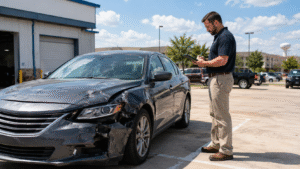
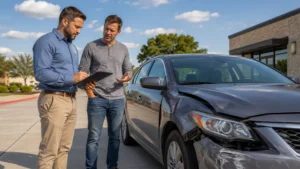
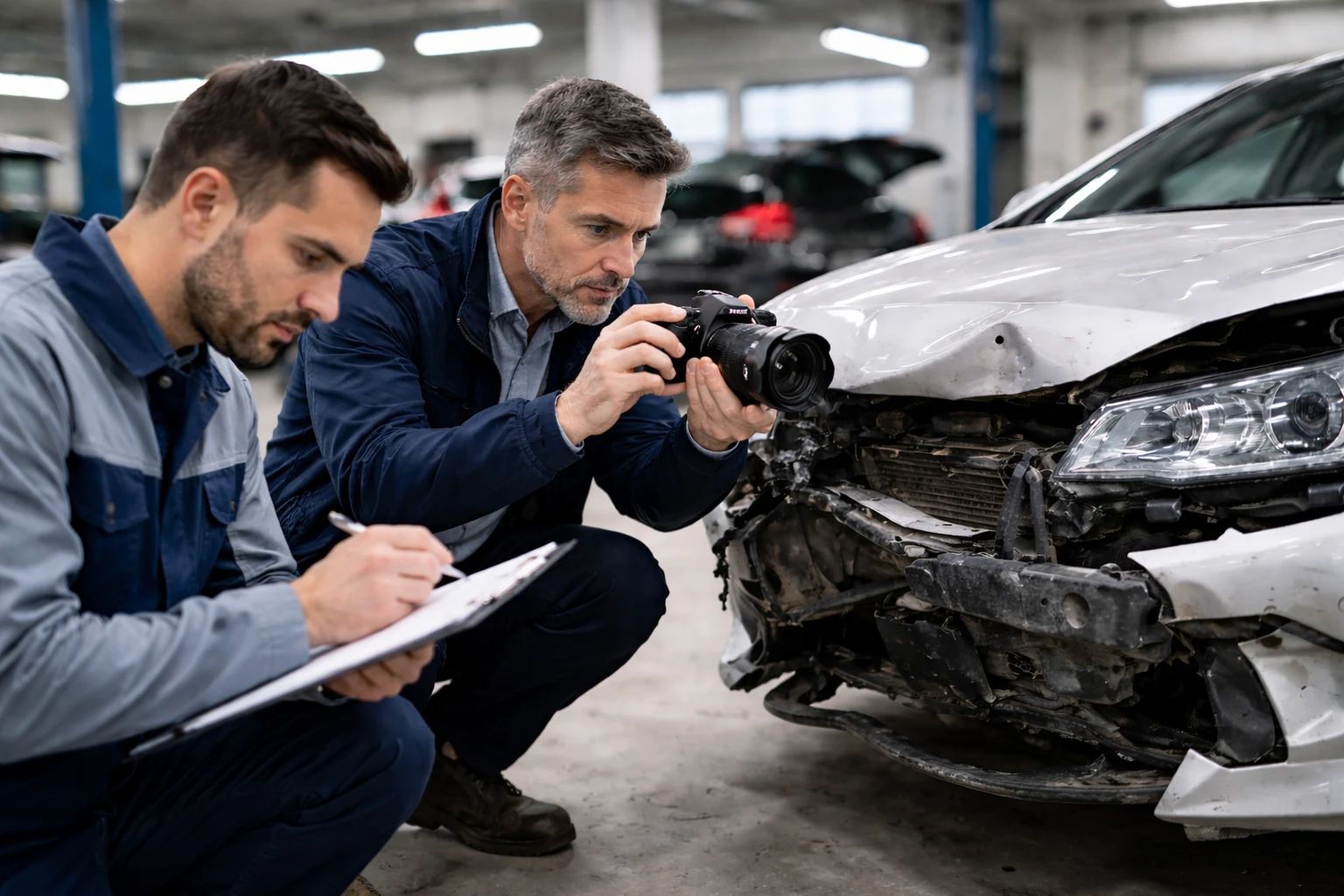
The process begins with a physical inspection of the vehicle.
The appraiser examines:
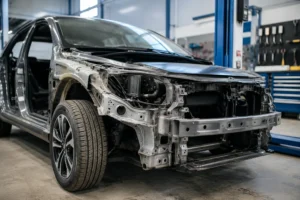
- Exterior body damage
- Panel alignment
- Paint damage
- Structural components
- Safety systems
Sometimes the damage looks minor on the surface but hides deeper problems underneath. Experienced appraisers know exactly where to look.
Step 2: Damage Documentation
Next comes documentation. A lot of it.
Appraisers take detailed photographs and notes covering every visible impact point.
Typical documentation includes:
- Close-up photos of damaged areas
- Wide-angle shots of the vehicle
- Underbody inspections
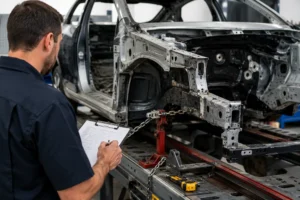
- Structural measurements
- Notes about safety system deployment
This information becomes part of the official collision appraisal report.
Step 3: Repair Cost Estimation
Now comes the financial analysis.
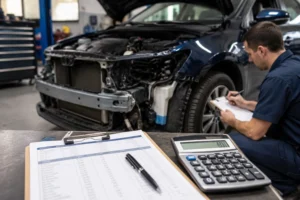
Appraisers estimate the cost to repair the vehicle using industry repair databases and labor rates. They evaluate:
- Replacement parts
- Repair labor hours
- Paint and materials
- Frame straightening costs
- Mechanical repairs
Each damaged component is listed individually.
Step 4: Valuation and Final Report
Finally, the appraiser compiles the data into a structured report.
The report includes:
- Total estimated repair cost
- List of damaged parts
- Repair labor estimates
- Photographic evidence
- Vehicle value considerations
This final collision appraisal report becomes a critical document for insurance companies, repair shops, and vehicle owners.
Tools and Technology Used in Collision Appraisals
Modern vehicle construction is complex. Appraisers rely on specialized tools to analyze damage accurately.
Digital Estimating Software
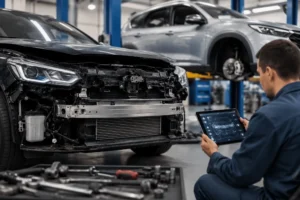
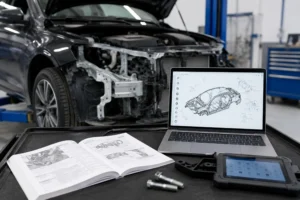
Most professional appraisers use estimating software that provides standardized repair data.
These systems calculate:
- Labor hours for specific repairs
- OEM and aftermarket parts pricing
- Paint and refinishing costs
The result is a detailed and consistent repair estimate.
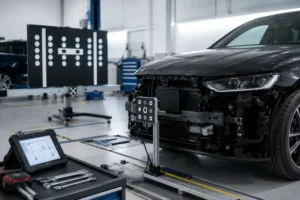
Structural Measurement Systems
Hidden frame damage can drastically change repair costs.
Structural measurement tools detect:
- Frame misalignment
- Suspension damage
- Body structure distortion
These systems compare the vehicle’s structure to factory specifications.
Diagnostic Scanning Tools
Modern vehicles are filled with sensors and electronic safety systems.
Appraisers often run diagnostic scans to check for:
- Airbag deployment issues
- Sensor malfunctions
- Electronic control system faults
Without these scans, some accident damage might go unnoticed.
Factors That Influence a Collision Appraisal
No two accidents are identical. Several factors influence the outcome of a collision appraisal.
Severity of the Accident
A small parking lot collision may only damage a bumper. A highway accident may affect the frame, suspension, and safety systems. Severity plays a major role in the repair estimate.
Vehicle Age and Condition
Older vehicles may already have wear and tear. Prior repairs or rust can also affect the appraisal.
Important factors include:
- Mileage
- Maintenance history
- Previous accident repairs
Parts Replacement Costs
Replacement parts vary widely in price.
Appraisers may evaluate:
- Original equipment manufacturer (OEM) parts
- Aftermarket replacement parts
- Reconditioned components
The choice can significantly influence repair costs.
Labor Complexity
Some repairs require extensive labor.
For example:
- Frame straightening
- Advanced driver assistance system recalibration
- Structural welding
These repairs require specialized technicians and equipment.
Market Value of the Vehicle
One critical question always arises: is repairing the vehicle financially reasonable?
Appraisers compare the repair cost with the vehicle’s market value.
If repair costs exceed a certain percentage of the vehicle’s value, insurers may declare the vehicle a total loss.
Collision Appraisal vs Insurance Adjuster Estimates
Many people assume insurance estimates and appraisals are the same. They are not.
Both serve a purpose, but they approach the situation differently.
| Feature | Collision Appraisal | Insurance Adjuster Estimate |
| Role | Independent damage assessment | Insurance claim estimate |
| Objective | Accurate repair evaluation | Manage claim cost |
| Scope | Often more detailed | Often initial estimate |
| Use | Documentation and disputes | Insurance processing |
An independent collision appraisal can sometimes reveal additional damage not included in an insurance estimate.
When Collision Appraisal Becomes Especially Important
Certain situations make professional appraisals far more valuable.
Disputed Insurance Claims
Sometimes repair shops, insurance adjusters, and vehicle owners disagree about repair costs.
An independent appraisal can help resolve the dispute.
Total Loss Determinations
Insurance companies determine when a vehicle should be declared a total loss.
An appraisal helps confirm whether repair costs truly exceed the vehicle’s value.
High-Value Vehicles
Luxury, classic, or specialty vehicles often require detailed appraisals.
These vehicles may have:
- rare parts
- unique construction
- higher repair costs
Accurate valuation becomes essential.
Legal or Liability Cases
In some cases, appraisal reports are used as evidence in legal disputes.
Clear documentation helps establish the extent of accident damage.
Interestingly, structured documentation and evidence-based reporting in fields like vehicle appraisals mirror analytical approaches found in complex scientific disciplines such as epistemology the philosophical study of knowledge and how we validate facts.
Types of Collision Damage Appraisers Evaluate
Vehicle damage goes far beyond cosmetic dents.
Professional appraisers evaluate several categories.
Structural Damage
Structural damage affects the vehicle’s frame or support structure.
Examples include:
- bent frame rails
- distorted crumple zones
- misaligned suspension mounting points
Structural damage can dramatically increase repair costs.
Body Panel Damage
This is the most visible damage.
It may include:
- dented doors
- damaged fenders
- cracked bumpers
- scratched paint
Even cosmetic damage requires careful repair.
Mechanical Damage
Collisions can damage mechanical components such as:
- suspension systems
- steering components
- cooling systems
- drivetrain components
These repairs can become expensive quickly.
Safety System Damage
Modern vehicles rely heavily on safety technology.
Appraisers check systems like:
- airbags
- collision sensors
- driver assistance cameras
- electronic stability systems
Repairing these systems often requires recalibration and specialized tools.
Benefits of a Professional Collision Appraisal
A well-executed appraisal offers several advantages.
Accurate Repair Estimates
Vehicle owners receive a realistic estimate of repair costs instead of relying solely on quick inspections.
Fair Insurance Settlements
Insurance claims rely on documented evidence. A strong appraisal report provides exactly that.
Clear Damage Documentation
Photographs and structured reports ensure the damage is thoroughly recorded.
Protection for Vehicle Owners
A collision appraisal can prevent situations where repair costs are underestimated or important damage is overlooked.
Choosing a Reliable Collision Appraiser
Not all appraisers have the same experience or qualifications.
Selecting the right professional makes a difference.
Look for Professional Certifications
Qualified appraisers often hold certifications related to:
- automotive damage analysis
- vehicle valuation
- insurance appraisal procedures
Certification demonstrates knowledge and credibility.
Evaluate Industry Experience
Experience matters. Appraisers who have worked with repair shops, insurers, and accident claims tend to produce more accurate reports.
Check Technology and Tools
Modern vehicles require modern tools. Ensure the appraiser uses digital estimating software and diagnostic tools.
Review Reputation
Client feedback and professional references can reveal the reliability of an appraiser.
Look for professionals known for transparency and thorough documentation.
The Future of Collision Appraisal
Vehicle technology continues to evolve. So does the appraisal process.
Several trends are reshaping the industry.
Remote Appraisals
Many appraisers now conduct remote inspections using detailed photo submissions and video calls.
This approach speeds up the evaluation process.
AI Damage Analysis
Artificial intelligence tools are beginning to assist in analyzing accident damage from photographs.
These tools can identify damage patterns and estimate repair costs quickly.
Advanced Vehicle Diagnostics
Modern vehicles store crash data that can help identify accident severity.
Appraisers increasingly rely on diagnostic tools to interpret this information.
Faster Digital Reporting
Cloud-based reporting systems now allow appraisal reports to be delivered quickly to insurers, repair shops, and vehicle owners.
This speeds up the entire claims process.
Final Thoughts
Car accidents are stressful. The aftermath can feel even more complicated. Between insurance claims, repair decisions, and vehicle value concerns, it’s easy to feel overwhelmed.
A professional collision appraisal brings clarity to the situation.
It provides a detailed and unbiased evaluation of vehicle damage. It helps ensure repair costs are calculated accurately. And it gives vehicle owners the documentation they need to support insurance claims or repair decisions.
If you’re dealing with accident damage and uncertain repair estimates, seeking a qualified appraiser can make a significant difference.
Accurate information leads to better decisions. And in the world of accident recovery, that can save time, money, and frustration.
FAQs
A collision appraisal is a professional evaluation of vehicle damage after an accident to determine repair costs and document the extent of the damage.
Collision appraisals are typically conducted by trained vehicle damage appraisers who specialize in assessing accident-related damage and estimating repair costs.
You should consider a collision appraisal after a vehicle accident, especially if there is significant damage or a dispute about repair costs with an insurance company.
No. An insurance estimate is created by the insurer, while a collision appraisal may be conducted independently to provide a detailed assessment of the damage.
The inspection itself may take less than an hour, but preparing the full appraisal report with photos and repair estimates can take several hours or more.
The report usually includes photos of the damage, a list of affected parts, estimated repair costs, labor hours, and notes about the vehicle’s condition.
Yes. A professional collision appraisal can provide independent documentation that helps resolve disagreements about repair costs or damage severity.
Appraisers use industry estimating software, parts pricing databases, and labor rate guidelines to calculate the cost of restoring the vehicle.
Yes. By comparing repair costs with the vehicle’s market value, an appraisal can help determine whether the vehicle should be considered a total loss.
Often yes. High-value or specialty vehicles may require more detailed appraisals because of unique parts, higher repair costs, and specialized restoration methods.