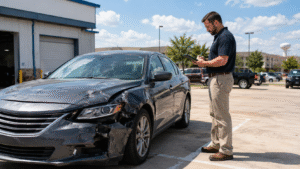
If you need to challenge insurance appraiser decisions after a car accident, you are not alone. Thousands of vehicle owners every year receive settlement offers that feel too low, repair estimates that seem incomplete, or total loss valuations that simply do not reflect the true condition of their vehicle.
And honestly? That frustration is understandable.
You pay insurance premiums expecting fair treatment when an accident happens. Then the appraisal arrives. The numbers feel off. Comparable vehicles make no sense. Repairs appear underestimated. Suddenly, you are left wondering whether the insurance company actually evaluated your vehicle properly.
This happens more often than many drivers realize.
The good news is that learning how to challenge insurance appraiser findings can dramatically improve your position during claim negotiations. In many cases, vehicle owners who gather strong documentation and push back strategically end up with far better outcomes than those who immediately accept the first offer.
The key is preparation.
Not emotion.
Strong evidence changes negotiations quickly.
Understanding What an Insurance Appraiser Actually Does
An insurance appraiser plays a major role in determining how much money may be paid on a vehicle claim. Their evaluation often affects:
- Repair estimates
- Total loss settlements
- Vehicle market value
- Replacement calculations
- Damage severity assessments
For repairable vehicles, the appraiser estimates the cost to restore the car to pre-loss condition.
For total loss claims, they calculate the vehicle’s actual cash value before the accident occurred.
Sounds straightforward.
But problems happen constantly.
Insurance companies often rely on valuation software, pricing databases, third-party market reports, and comparable vehicle listings. Some valuation systems operate similarly to hedonic regression models, where factors like mileage, condition, age, trim level, and regional demand all influence pricing calculations. While those systems can be useful, they are not always accurate. Small mistakes inside the appraisal process can reduce settlements significantly.
Especially on newer vehicles, luxury cars, collector vehicles, or heavily maintained vehicles.
Why Vehicle Owners Often Challenge Insurance Appraiser Decisions
There is usually a reason drivers decide to dispute an appraisal.
Actually, several reasons.
Some are obvious immediately. Others appear only after reviewing the valuation report carefully.
Here are some of the most common issues:
| Common Appraisal Problems | Why It Matters |
| Incorrect comparable vehicles | Reduces actual market value |
| Mileage inaccuracies | Can lower settlement offers |
| Missed options or upgrades | Vehicle appears less valuable |
| Undervalued condition ratings | Clean vehicles lose value unfairly |
| Incomplete repair estimates | Owners face out-of-pocket expenses |
| Ignored local market pricing | Settlement does not reflect real replacement costs |
Sometimes the differences are small.
Sometimes they are massive.
I have seen disputes where a vehicle owner discovered thousands of dollars missing simply because the appraiser used poor comparable vehicles from another market area.
That matters financially.
Signs You May Need to Challenge Insurance Appraiser Findings
Not every appraisal requires a dispute. But certain warning signs should immediately trigger a closer review.
The Settlement Offer Feels Too Low
This is the biggest red flag.
If similar vehicles in your area are selling for substantially more than the insurance company’s offer, something may be wrong with the valuation process.
Especially in fluctuating markets.
Vehicle prices change quickly. Local demand matters. Regional pricing differences matter too.
The Comparable Vehicles Look Incorrect
Comparable vehicles should actually resemble your car.
That sounds obvious. Yet many reports include vehicles with:
- Different trim levels
- Higher mileage
- Accident histories
- Missing features
- Inferior condition
- Different drivetrain configurations
Those differences reduce valuation accuracy.
Your Vehicle Was Exceptionally Well Maintained
Clean maintenance history matters.
Detailed service records, recent repairs, upgraded tires, premium audio systems, paint protection, and low mileage can all influence value. If those items were ignored, the appraisal may not reflect reality.
Repair Estimates Seem Incomplete
This is common after collision damage.
Initial appraisals sometimes miss:
- Suspension damage
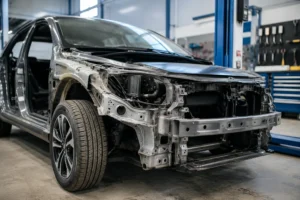
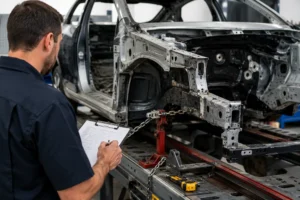
- Hidden structural damage
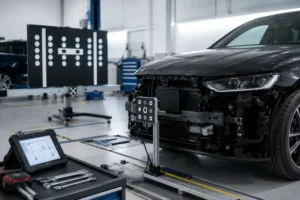
- Sensor recalibrations
- ADAS system repairs
- Frame alignment issues
- OEM replacement parts
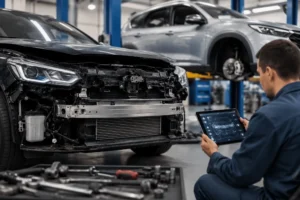
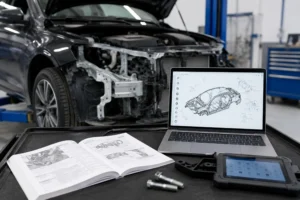
Modern vehicles are incredibly complex. Advanced driver assistance features frequently require recalibration after accidents, particularly in vehicles using advanced driver assistance systems that depend on cameras, radar, and onboard computing systems. Small oversights involving those systems can become extremely expensive very quickly.
Common Mistakes Insurance Appraisers Make

Most appraisers are not trying to create unfair outcomes intentionally.
But mistakes happen.
And those mistakes can become very costly for vehicle owners.
Using Weak Comparable Vehicle Data
Comparable vehicle quality directly affects settlement accuracy.
Bad comps create bad valuations.
A vehicle with prior accident history should not be compared to a clean vehicle. A base model should not be used against a premium trim package. Yet these mismatches appear regularly in disputed claims.
Ignoring Vehicle Upgrades
Aftermarket upgrades are often overlooked entirely.
That includes:
- Wheels
- Tires
- Suspension upgrades
- Audio systems
- Paint protection
Not every modification adds value equally, but documented upgrades absolutely matter during negotiations.
Underestimating Repair Complexity
This issue has become more common with modern vehicles.
Today’s cars contain:
- Cameras
- Radar systems
- Sensors
- Advanced electronics
- Driver assistance systems
Even moderate collisions may require expensive recalibrations and specialized repairs that older estimating systems sometimes undervalue.
Misjudging Vehicle Condition
Condition ratings influence value heavily.
If your vehicle was exceptionally clean before the accident but receives an “average” condition adjustment, your settlement may drop substantially.
Documentation becomes critical here.
Photos matter enormously.
How to Prepare Before You Challenge Insurance Appraiser Reports
Preparation changes everything.
Vehicle owners who organize evidence properly usually place themselves in much stronger negotiation positions.
Gather Your Documentation First
Before disputing anything, build your evidence package carefully.
Helpful documentation includes:
- Maintenance records
- Recent service receipts
- Upgrade invoices
- Before-accident photos
- Independent repair estimates
- Vehicle listings from local dealers
- Window stickers
- Tire receipts
- Inspection reports
The more organized your documentation is, the harder it becomes to dismiss your concerns.
Review the Valuation Report Carefully
Never skim the report quickly.
Read every line.
Look for:
- Mileage errors
- Missing features
- Incorrect trim packages
- Weak comparable vehicles
- Inaccurate condition ratings
- Geographic pricing differences
Sometimes one small error creates a surprisingly large valuation difference.
Understand Your Insurance Policy
Many policies contain an appraisal clause.
This matters.
The appraisal clause may allow both sides to hire independent appraisers if disagreements occur regarding vehicle value.
That process can dramatically change settlement outcomes.
The Best Ways to Challenge Insurance Appraiser Decisions
There is a right way to dispute an appraisal.
And there is a terrible way.
Aggressive emotional arguments rarely help. Strong evidence does.
Request a Full Valuation Breakdown
Ask for complete documentation supporting the insurer’s valuation.
This may include:
- Comparable vehicle reports
- Condition adjustments
- Mileage calculations
- Market reports
- Total loss methodology
You cannot properly challenge insurance appraiser findings without seeing the supporting data.
Submit Better Comparable Vehicles
This is one of the most effective strategies available.
Find vehicles that closely match yours in:
- Mileage
- Trim level
- Features
- Condition
- Market location
Local dealer listings often carry more weight than random nationwide listings.
Quality matters more than quantity.
Obtain an Independent Appraisal
Independent auto appraisers can provide objective evaluations separate from the insurance company. If you want a deeper understanding of how professional evaluations work, reviewing the car appraisal process can help explain how vehicle values are analyzed through inspections, market comparisons, and documentation review.
This becomes especially valuable for:
- Luxury vehicles
- Collector cars
- Rare trims
- Heavily modified vehicles
- High-value disputes
An independent appraisal may strengthen negotiations dramatically because it introduces professional third-party support into the dispute process.
Understanding the Appraisal Clause Process
Many drivers do not realize their insurance policy may contain a formal dispute mechanism.
The appraisal clause exists specifically for valuation disagreements.
Here is how it generally works:
| Appraisal Clause Step | Description |
| Vehicle owner hires appraiser | Independent evaluation begins |
| Insurance company hires appraiser | Carrier selects its representative |
| Appraisers review dispute | Attempts to reach agreement |
| Umpire may become necessary | Neutral third party resolves disagreement |
| Final valuation issued | Settlement amount determined |
This process often resolves disputes without lawsuits.
And yes, settlements sometimes increase substantially after appraisal.
Challenge Insurance Appraiser Decisions on Total Loss Claims
Total loss disputes create some of the largest disagreements.
Especially now.
Used vehicle markets fluctuate constantly. Pricing changes fast. Replacement costs remain unpredictable in many areas.
That creates tension between insurers and vehicle owners.
Common Problems in Total Loss Valuations
Drivers frequently report:
- Low comparable vehicle pricing
- Unrealistic condition deductions
- Missing features
- Incorrect trim identification
- Poor local market comparisons
Even a small valuation difference matters when replacing a vehicle.
A $3,000 shortfall changes purchasing power significantly.
Actual Cash Value Confusion
Insurance companies generally pay actual cash value, not replacement cost.
But determining actual cash value is not always straightforward.
Vehicle condition, local market demand, mileage, maintenance history, and options all influence the calculation.
That creates room for disputes.
And room for negotiation.
Many vehicle owners first start researching how to challenge insurance appraiser decisions after receiving a settlement that feels inconsistent with current market pricing. In situations like this, understanding how a car appraisal after accident works can help drivers identify valuation mistakes and strengthen their documentation before negotiating further.
Challenge Insurance Appraiser Decisions on Repair Claims
Not every dispute involves total losses.
Repair estimate disagreements are extremely common too.
OEM Versus Aftermarket Parts
Some insurers prefer aftermarket or recycled parts to reduce repair costs.
Vehicle owners may disagree for several reasons:
- Fitment concerns
- Safety concerns
- Warranty concerns
- Resale value concerns
The repair plan matters long term.
Especially on newer vehicles.
Hidden Damage Problems
Initial inspections do not always reveal everything.
Additional damage often appears once repairs begin.
That may include:
- Bent suspension components
- Structural damage
- Electrical system damage
- Internal panel damage
Supplement negotiations become critical here.
Labor Rate Disputes
Repair costs vary by region.
If labor rates used by the insurer are unrealistically low for your market, repair quality may suffer.
This issue appears frequently in busy metro areas.
When Hiring an Independent Auto Appraiser Makes Sense
Sometimes professional help becomes extremely valuable.
Particularly when:
- The vehicle is rare
- The dispute involves thousands of dollars
- Extensive modifications exist
- The insurer refuses adjustments
- The claim becomes highly technical
Independent appraisers understand valuation methodology deeply. They know where weak comparable vehicles appear. They understand market conditions. And they often identify errors average vehicle owners would never notice.
That expertise matters.
Tips to Strengthen Your Negotiation Position
Strong negotiations are built on strategy.
Not frustration.
Keep Communication Professional
Stay calm.
Always.
Even when the process becomes irritating.
Professional communication builds credibility.
Use Written Communication Whenever Possible
Emails create documentation trails.
Phone calls disappear quickly.
Written records help clarify:
- Valuation disputes
- Repair concerns
- Settlement offers
- Timeline issues
Documentation protects everyone involved.
Do Not Accept the First Offer Too Quickly
Early offers are not always final offers.
Review everything carefully first.
Especially the comparable vehicle data.
Organize Your Claim File
Keep everything together:
- Emails
- Photos
- Repair estimates
- Vehicle listings
- Maintenance records
- Notes from conversations
Organization improves leverage dramatically.
What Not to Do When You Challenge Insurance Appraiser Findings

Mistakes during disputes weaken negotiating positions fast.
Avoid these common problems.
Becoming Emotional
Anger rarely improves settlement outcomes.
Evidence does.
Ignoring Deadlines
Insurance policies often contain strict timing requirements regarding appraisal disputes.
Missing deadlines may reduce available options.
Submitting Weak Comparable Vehicles
Poor comps weaken credibility.
Use accurate local listings only.
Relying Only on Verbal Conversations
Always document conversations afterward.
Always.
Short follow-up emails create accountability and reduce confusion later.
When Legal Help May Become Necessary
Most appraisal disputes resolve without attorneys.
But not always.
Legal assistance may become necessary if:
- The insurer refuses to honor appraisal clauses
- Serious bad faith concerns exist
- Settlement delays become unreasonable
- Large financial disputes develop
That said, many valuation disagreements can still resolve through proper appraisal procedures before litigation becomes necessary.
Final Thoughts
Learning how to challenge insurance appraiser findings is ultimately about protecting yourself financially after an accident.
Not creating conflict.
Not exaggerating damages.
And not attacking insurance adjusters personally.
It is about accuracy.
Strong documentation changes negotiations. Independent appraisals create leverage. Professional communication improves credibility. Organized evidence strengthens claims dramatically.
Most importantly, vehicle owners should understand they are not automatically required to accept the first valuation presented during a claim.
You have options.
You have rights under your policy.
And when you challenge insurance appraiser decisions strategically, carefully, and professionally, you often place yourself in a much stronger position throughout the settlement process.
Especially when the numbers simply do not add up.
FAQs
Yes. Most insurance policies allow vehicle owners to dispute valuations or repair estimates if they believe the appraisal is inaccurate.
The strongest approach is using documentation, accurate comparable vehicles, repair estimates, and independent appraisals to support your position.
Compare your settlement offer with similar local vehicle listings that match your car’s condition, mileage, trim level, and features.
Independent appraisers can be extremely helpful for high-value claims, disputed total losses, luxury vehicles, or complex repair disagreements.
Both sides select independent appraisers, and if they disagree, a neutral umpire may help determine the final settlement amount.
Yes. Poor comparable vehicle choices can significantly lower your vehicle’s appraised value and affect your final payout.
Some documented upgrades may increase value, especially premium wheels, suspension systems, audio upgrades, or performance modifications.
Timelines vary depending on claim complexity, cooperation from both sides, and whether additional inspections or umpire reviews become necessary.
Not automatically. Review the valuation carefully before accepting any settlement, especially if the numbers seem inconsistent with your local market.
Yes. Hidden damage often appears after disassembly, which may require supplemental repair estimates and additional negotiations.