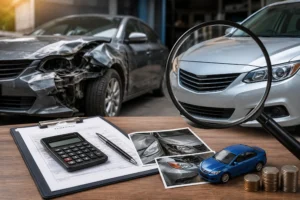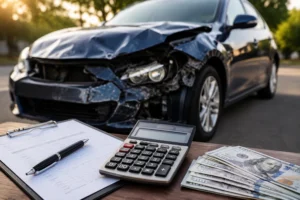
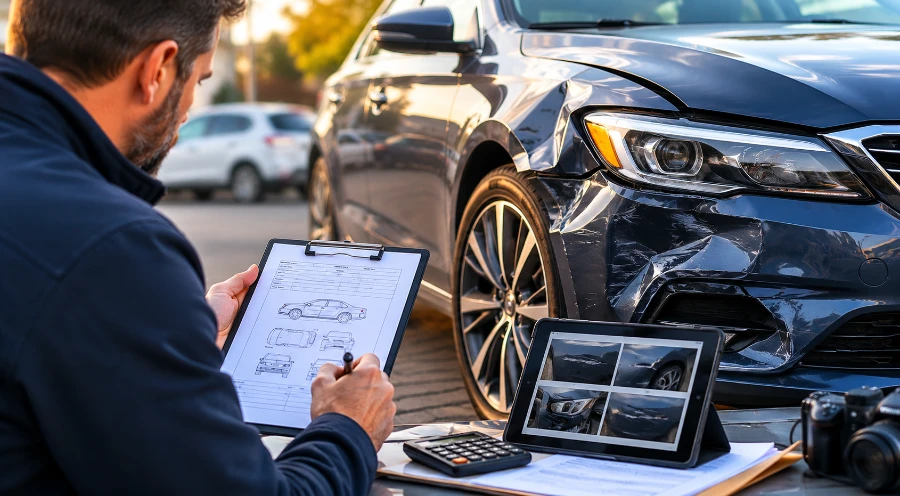
Many vehicle owners assume there is one universal value for every vehicle.
There isn’t.
Several factors influence valuation outcomes.
Insurance companies use valuation software, market databases, and statistical models to estimate vehicle values. Some of these systems rely on methodologies that share similarities with principles found in actuarial science, where large amounts of data are analyzed to estimate financial outcomes and risk. While these systems can be effective, they may not always capture the unique characteristics of an individual vehicle.
Comparable Vehicle Selection
Insurance companies frequently use comparable vehicle sales to determine value.
However, not all comparable vehicles are truly comparable.
Differences may include:
- Mileage
- Trim level
- Optional equipment
- Vehicle condition
- Geographic location
- Accident history
Even small differences can significantly impact valuation results.
Incomplete Vehicle Information
Missing options can reduce valuation accuracy.
Examples include:
- Premium audio systems
- Advanced safety packages
- Luxury trim upgrades
- Performance enhancements
- Tow packages
- Custom factory options
If these features are overlooked, the valuation may be lower than it should be.
Market Conditions
Vehicle markets change rapidly.
Local supply and demand influence pricing every day.
A valuation based on outdated market data may not accurately reflect current replacement costs.
Signs You May Need an Independent Auto Appraiser
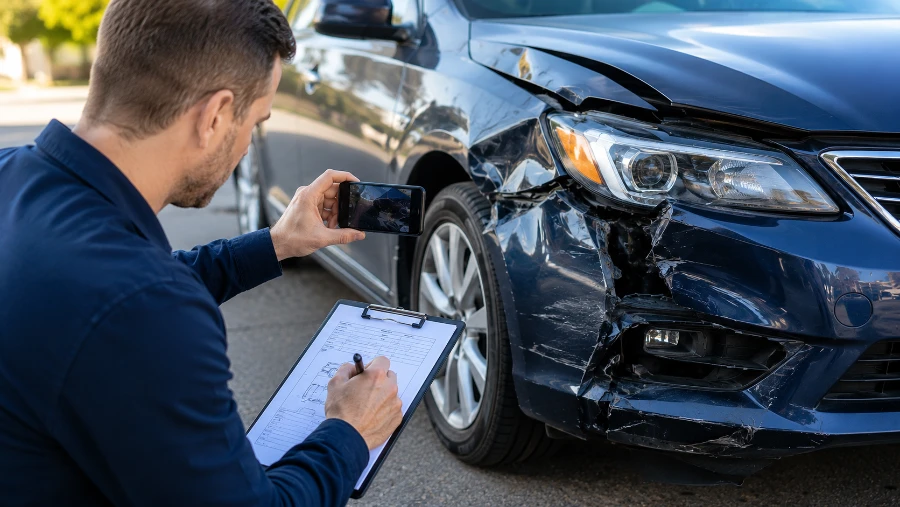
Not every claim requires outside assistance.
Still, certain warning signs deserve attention.
The Settlement Offer Seems Too Low
Trust your instincts.
If the offer feels significantly lower than local market prices, further investigation may be warranted.
Research similar vehicles in your area.
Compare:
- Year
- Make
- Model
- Mileage
- Condition
- Features
Consistent differences may indicate valuation issues.
Your Vehicle Was Declared a Total Loss
Total loss disputes are among the most common reasons people seek independent appraisals.
A total loss determination often depends on:
- Vehicle value
- Repair costs
- Salvage value
- State regulations
Errors in any of these categories can affect settlement amounts.
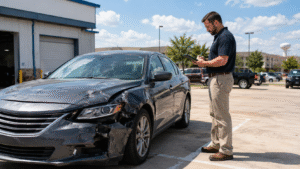
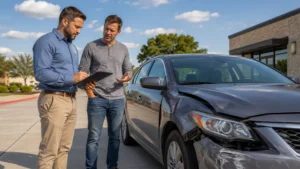
If your vehicle was recently involved in a collision, understanding a professional car appraisal after accident can help determine whether the insurance settlement accurately reflects your vehicle’s true market value and condition after the loss.
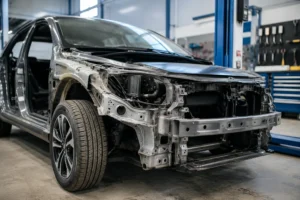
Hidden Damage Was Discovered
Initial estimates don’t always tell the full story.
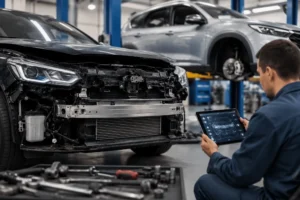
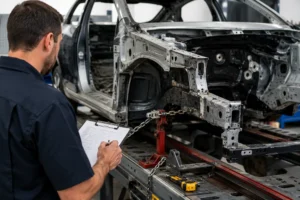
Once repairs begin, technicians may uncover:
- Structural damage
- Suspension damage
- Frame issues
- Electrical system damage
These discoveries can significantly increase repair costs.
You Own a Specialty Vehicle
Standard valuation tools sometimes struggle with:
- Classic cars
- Collector vehicles
- Luxury vehicles
- Modified vehicles
- Performance vehicles
These vehicles often require specialized analysis to determine accurate value.
How an Independent Auto Appraiser Helps Resolve Insurance Disputes
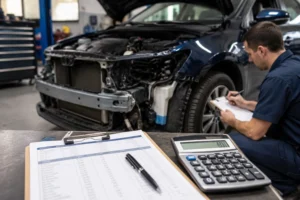
The value of an independent appraisal comes from objective documentation.
Facts matter.
Documentation matters even more.
Providing an Unbiased Assessment
An independent appraiser evaluates:
- Vehicle condition
- Market value
- Damage severity
- Repair requirements
- Comparable sales
The goal is accuracy.
Not minimizing costs.
Not maximizing costs.
Accuracy.
Modern valuation methods increasingly depend on sophisticated data analysis. In many respects, the research process used by appraisers shares similarities with econometrics, a field that uses statistical methods to analyze economic data and identify pricing trends. Independent appraisers combine market research with real-world vehicle inspections to ensure valuation conclusions are based on actual market conditions rather than automated assumptions alone.
Building Evidence
A professional appraisal report typically includes:
| Documentation Type | Purpose |
| Vehicle inspection | Establishes current condition |
| Damage analysis | Documents claim-related damage |
| Comparable vehicle research | Supports market value |
| Photographs | Provides visual evidence |
| Repair cost review | Evaluates estimate accuracy |
| Market data | Supports valuation conclusions |
Strong evidence creates stronger negotiations.
The Independent Vehicle Appraisal Process
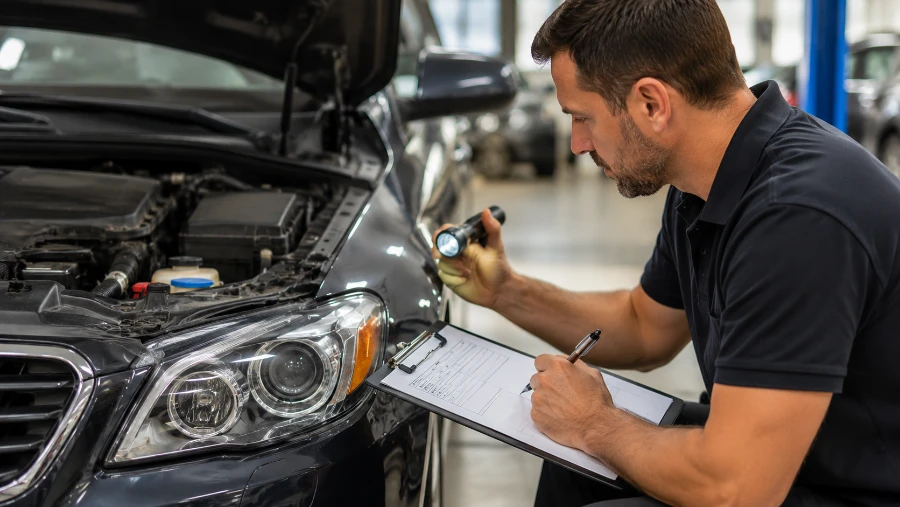
A professional appraisal follows a structured process designed to produce an accurate and defensible valuation.
Initial Consultation
The appraiser reviews:
- Claim documentation
- Insurance estimates
- Vehicle information
- Dispute details
This step helps identify the primary valuation concerns.
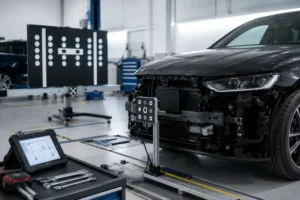
Vehicle Inspection
A thorough inspection typically includes:
- Exterior evaluation
- Interior condition review
- Mechanical observations
- Damage documentation
- Photographic evidence
Every detail matters.
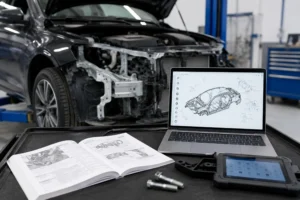
Research and Valuation
Once the inspection is complete, the appraiser conducts market research and identifies appropriate comparable vehicles.
Factors commonly evaluated include:
- Mileage
- Vehicle condition
- Optional equipment
- Local market demand
- Prior accident history
- Current market pricing
Vehicle owners who want a deeper understanding of how valuations are developed can review the complete car appraisal process to learn how inspections, comparable vehicle selection, market analysis, and condition assessments contribute to the final valuation report.
Final Appraisal Report
The completed report may include:
| Report Component | Purpose |
| Vehicle description | Documents vehicle specifications |
| Condition analysis | Establishes overall condition |
| Damage assessment | Details accident-related damage |
| Comparable vehicle data | Supports market valuation |
| Photographs | Provides visual evidence |
| Value conclusion | Establishes supported valuation |
A well-documented report becomes a valuable tool during an independent auto appraiser insurance dispute because it provides objective evidence rather than opinions alone.
FAQs
It is a disagreement over vehicle value or repair costs where an independent appraiser provides an objective assessment.
Consider hiring one if you believe your insurance settlement or valuation is too low.
They cannot guarantee a higher settlement, but their findings may support a stronger claim.
They commonly evaluate total loss, diminished value, and repair cost disputes.
They review vehicle condition, market data, comparable sales, and vehicle features.
An appraiser evaluates value, while an adjuster manages the insurance claim.
Yes. Independent appraisers can evaluate repaired vehicles to determine diminished value, verify repair quality, or assess whether all accident-related damages were properly addressed.
An appraisal clause is a policy provision that allows disputes over the amount of loss or vehicle value to be resolved through a formal appraisal process rather than litigation.
The timeline varies depending on the complexity of the dispute, but many appraisals can be completed within a few days to a couple of weeks.
For significant valuation disputes, a professional appraisal may help identify errors or omissions that could affect the settlement amount and support a stronger claim position.