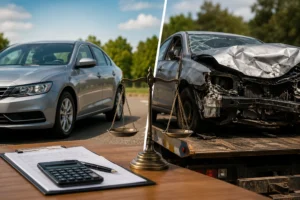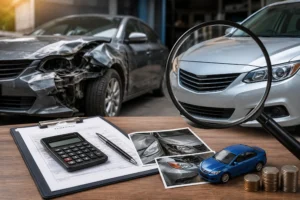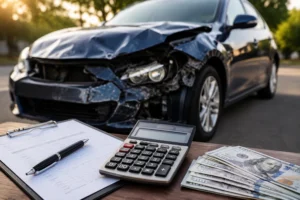

An insurance estimate missing damage is far more common than most drivers realize. One minute your vehicle looks repairable with a manageable estimate. The next? The repair shop calls and says they found hidden structural damage, broken sensors, suspension problems, or electrical issues the original inspection never included.
That moment catches people off guard.
And honestly, it creates a lot of frustration.
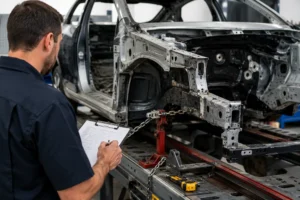
Drivers often assume the first insurance estimate represents the complete repair cost. In reality, many estimates are only preliminary evaluations written before the vehicle is fully disassembled. Modern cars hide critical systems behind bumpers, panels, and protective structures. Until technicians begin teardown work, some damage simply remains invisible.
This matters because incomplete estimates can affect safety, repair timelines, and even the long-term value of your vehicle.
The good news? There are smart ways to handle the situation. If you understand how supplements, inspections, and auto appraisals work, you can protect yourself from incomplete repairs and unnecessary claim disputes.
What Does “Insurance Estimate Missing Damage” Actually Mean?
When people hear the phrase insurance estimate missing damage, they usually picture an adjuster making a mistake.
Sometimes that happens.
But more often, the issue comes down to how collision estimates are created in the first place.
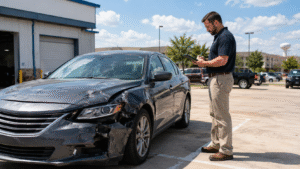
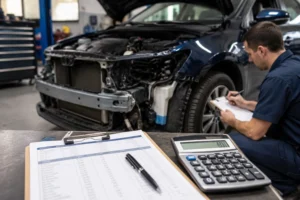
Most insurance inspections begin with a visual review. The adjuster examines visible damage, takes photos, and prepares an estimate based on what can be seen without dismantling the vehicle.
That sounds reasonable. But here’s the problem.
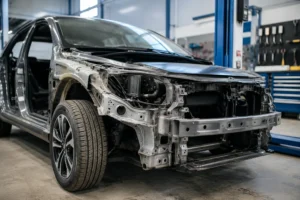
Modern vehicles are layered with hidden components.
Behind one cracked bumper could be:
- Bent reinforcement bars
- Damaged crash sensors
- Broken mounting brackets
- Cooling system damage
- Wiring issues
- Frame distortion
None of that may appear during the initial inspection.
So the estimate gets written based only on visible damage. Then the repair shop starts disassembly and uncovers additional problems. That creates a supplement request.
And suddenly the original estimate no longer reflects the actual repair cost.
Why Missing Damage Happens So Often
Collision repair has changed dramatically over the past decade.
Vehicles today are loaded with technology. Cameras. Radar systems. Parking sensors. Driver assistance systems. Specialized metals. Hidden structural zones.
A small-looking accident can create surprisingly expensive repairs.
Here are some common reasons an insurance estimate missing damage situation develops:
| Reason | Why It Happens |
| Limited visual inspections | Damage hidden behind panels cannot be seen immediately |
| Fast claim processing | Insurers often prioritize quick estimate turnaround |
| No teardown performed | Hidden structural issues remain concealed |
| Modern vehicle complexity | Sensors and electronics increase repair complexity |
| Repair procedures vary | OEM guidelines may require additional repairs |
The truth is simple. Initial estimates are not always final estimates.
That’s normal in collision repair.
Signs Your Insurance Estimate May Be Missing Damage

Sometimes the warning signs appear immediately. Other times they show up days after repairs begin.
Either way, drivers should pay attention.
The Repair Shop Requests a Supplement
This is the biggest clue.
If the repair facility contacts the insurer requesting additional repair approval, hidden damage has likely been discovered during teardown.
And this happens constantly in collision repair.
The Estimate Seems Surprisingly Low
A low estimate is not automatically wrong. But if major impact damage resulted in a tiny repair number, it deserves a closer look.
For example:
- Heavy front-end damage with no radiator replacement
- Airbag deployment without sensor replacement
- Wheel impact without alignment checks
- Rear collision without structural measurements
Those gaps matter.
Your Vehicle Drives Differently
Even after an accident that appears “minor,” hidden mechanical damage can exist.
Watch for:
- Steering pull
- Vibrations
- Uneven tire wear
- Dashboard warning lights
- Strange noises
- Suspension instability
These symptoms often point to problems not included in the initial estimate.
Safety Features Were Ignored
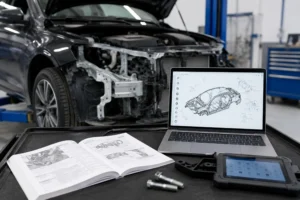
Modern vehicles rely heavily on Advanced Driver Assistance Systems (ADAS).
If the estimate ignores recalibration procedures for features like:
- Blind spot monitoring
- Lane departure warning
- Adaptive cruise control
- Automatic emergency braking
then the repair plan may be incomplete.
That’s a serious issue.
Why Hidden Damage Is a Bigger Problem Than Most Drivers Realize
A vehicle can look repaired while still hiding unresolved problems underneath.
That’s where trouble starts.
Safety Risks Increase
This is the most important concern.
Incomplete repairs can affect:
- Crash performance
- Airbag deployment timing
- Structural integrity
- Steering stability
- Sensor accuracy
A car that “looks fine” cosmetically may still have compromised safety systems.
That should never be ignored.
Vehicle owners concerned about long-term safety after a collision can also review consumer vehicle safety information provided by the National Highway Traffic Safety Administration.
Future Mechanical Problems Become More Likely
Hidden damage rarely fixes itself.
Small issues often grow into expensive repairs later.
Examples include:
- Water intrusion from unnoticed cracks
- Suspension wear from bent components
- Tire damage from poor alignment
- Electrical failures from pinched wiring
What seems minor today may become a major repair six months later.
Vehicle Value Can Suffer
Poor collision repairs hurt resale value.
Buyers notice uneven paint, alignment problems, warning lights, and inconsistent panel gaps quickly. Even worse, incomplete structural repairs can appear during future inspections or trade-in evaluations.
That directly affects what your vehicle is worth.
The Supplemental Estimate Process Explained
Drivers panic when they hear the word “supplement.”
You don’t need to.
Supplements are extremely common in collision repair.
What Is a Supplement?
A supplement is an updated repair estimate submitted after additional damage is discovered.
This happens after technicians:
- Remove damaged panels
- Inspect internal components
- Measure structural areas
- Review OEM repair procedures
The repair shop documents newly discovered damage and submits evidence to the insurer.
How Repair Shops Support Supplements
Strong supplements include:
- Detailed teardown photos
- Structural measurements
- OEM repair documentation
- Calibration requirements
- Parts pricing
- Labor calculations
Good documentation matters enormously.
The stronger the evidence, the smoother the approval process usually becomes.
How Insurance Companies Review Supplements
Insurers may:
- Approve remotely using photos
- Request reinspection
- Negotiate repair procedures
- Review OEM documentation
This process can take anywhere from a few hours to several days depending on claim complexity.
Common Areas Where Insurance Estimates Miss Damage
Some parts of a vehicle hide damage exceptionally well.
These areas generate supplements constantly.
Front-End Collision Damage
Front-end accidents create some of the most overlooked hidden repairs.
Commonly missed items include:
- Radiators
- AC condensers
- Crash bars
- Hood latch systems
- Radar sensors
- Cooling fans
One cracked bumper can hide thousands in internal damage.
Rear-End Damage
Rear collisions often appear smaller than they actually are.
Repair shops frequently uncover:
- Trunk floor distortion
- Rear body panel damage
- Sensor failures
- Backup camera issues
- Structural compression
Modern rear structures are engineered to absorb impact energy. That means damage often spreads further than drivers expect.
Side Impact Damage
Side collisions create complicated structural issues.
Potential hidden damage includes:
- Pillar distortion
- Wiring harness damage
- Side airbag deployment components
- Door intrusion beam damage
These repairs require careful measurements and specialized procedures.
Undercarriage Damage
This category gets missed constantly.
Especially after curb strikes or lower-impact crashes.
Technicians may later discover:
- Bent suspension parts
- Steering damage
- Exhaust damage
- Alignment issues
- Subframe distortion
Undercarriage inspections are critical after many accidents.
Modern Vehicles Make Estimates More Complicated
Today’s cars are rolling computers.
That changes everything.
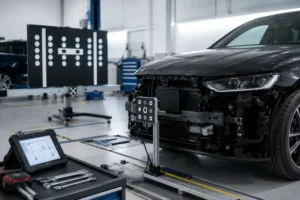
ADAS Calibration Requirements
Many drivers have no idea how much calibration work modern repairs require.
After certain repairs, systems may need recalibration for:
- Cameras
- Radar sensors
- Parking systems
- Collision warning systems
Skipping these procedures creates real safety risks.
And yes, calibration costs can be substantial.
Many newer vehicles also use advanced material engineering techniques influenced by Metallurgy. Manufacturers rely on these developments to balance crash protection, structural strength, and lighter vehicle weight.
Electric and Hybrid Vehicle Repairs
Electric vehicles add another layer of complexity.
Battery systems require:
- Specialized inspections
- High-voltage safety procedures
- Manufacturer-specific protocols
Some repair shops cannot even perform these repairs without special certifications.
OEM Repair Procedures Matter
Manufacturers publish repair procedures for a reason.
These guidelines specify:
- Structural replacement methods
- Weld locations
- Calibration requirements
- Material handling rules
Ignoring OEM procedures can compromise safety and repair quality.
That’s why experienced repair facilities reference them constantly during supplement negotiations.
What Drivers Should Do If an Insurance Estimate Is Missing Damage

This is where drivers regain control.
The smartest thing you can do is stay involved throughout the repair process.
Choose a Qualified Repair Facility
Not all body shops operate at the same level.
Look for:
- OEM certifications
- Strong customer reviews
- Modern equipment
- Structural repair capabilities
- Calibration experience
A high-quality repair shop often identifies issues weaker shops miss.
Request a Thorough Teardown Inspection
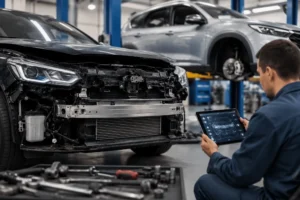
Teardown inspections reveal hidden problems early.
That reduces surprises later.
If damage appears extensive, ask whether the vehicle has been fully disassembled and structurally measured before repairs begin.
Understanding the car appraisal process also helps drivers recognize whether an insurance estimate fully reflects the actual condition of the vehicle after a collision.
Document Everything
Keep records of:
- Photos
- Emails
- Repair estimates
- Supplement approvals
- Phone conversations
- Invoices
Documentation protects you if disputes develop later.
Ask Questions
Drivers should never feel intimidated during the repair process.
Ask directly:
- Were OEM procedures followed?
- Were calibrations completed?
- Was structural damage measured?
- Are there denied supplement items?
- Were aftermarket parts used?
Clear communication prevents confusion.
The Role of Independent Auto Appraisals
Sometimes disputes escalate.
That’s when independent evaluations become valuable.
An experienced auto appraiser can assess:
- Missed damage
- Repair quality
- Proper repair costs
- Diminished value
- Incomplete estimates
This creates leverage during difficult claim negotiations.
In more complex claims, a professional car appraisal after accident can help document hidden structural damage, repair costs, and diminished value more accurately.
For complex claims, independent documentation often changes the conversation completely.
Mistakes Drivers Should Avoid
Drivers unintentionally weaken their own claims all the time.
Avoid these common mistakes.
Approving Repairs Too Quickly
Fast approvals create problems.
Take time to review repair plans carefully before authorizing work.
Choosing the Cheapest Shop
Cheap repairs usually become expensive repairs later.
Low-cost shops may skip:
- Structural measurements
- OEM procedures
- Calibrations
- Quality inspections
That shortcut mentality can affect both safety and vehicle value.
Ignoring Warning Signs After Repairs
Pay attention after pickup.
If something feels wrong, investigate immediately.
Watch for:
- Warning lights
- Wind noise
- Uneven handling
- Vibrations
- Water leaks
Trust your instincts.
Assuming the Insurance Estimate Is Final
This is one of the biggest misconceptions in collision repair.
An initial estimate is often only the starting point.
Supplements happen constantly.
Especially with modern vehicles.
How Auto Appraisals Help Resolve Estimate Disputes
Professional auto appraisals provide objective analysis.
That matters when claim disagreements develop.
Independent Damage Assessments
Independent appraisers evaluate damage without pressure from insurers or repair facilities.
That neutrality can help identify:
- Missed repairs
- Unrealistic labor allowances
- Missing procedures
- Structural concerns
Better Negotiation Support
Detailed appraisals create stronger supplement arguments.
Especially when supported by:
- OEM procedures
- Structural measurements
- Repair documentation
- Market labor rates
Facts matter more than opinions during claim disputes.
Protecting Long-Term Vehicle Value
Proper repairs protect:
- Safety
- Reliability
- Resale value
- Performance
Incomplete repairs rarely stay hidden forever.
Eventually the problems surface.
And when they do, they usually cost far more to correct.
Final Thoughts
An insurance estimate missing damage situation can feel overwhelming at first. But it’s also incredibly common in today’s collision repair world.
Modern vehicles hide damage well. Sensors, structural components, and safety systems make repairs more complicated than ever before. That means preliminary estimates often change once teardown inspections begin.
The key is staying proactive.
Choose qualified repair professionals. Ask questions. Review supplements carefully. Document everything. And if necessary, involve an independent auto appraisal expert to evaluate disputed damage properly.
Because at the end of the day, this isn’t just about repair costs.
It’s about making sure your vehicle is repaired safely, completely, and correctly the first time.
FAQs
It means the initial repair estimate did not include all accident-related damage, often because hidden issues were not visible during the first inspection.
Modern vehicles contain hidden structural components, sensors, and electronics that cannot always be inspected until teardown begins.
Yes. Supplements are extremely common in collision repair once repair shops uncover additional damage during disassembly.
Absolutely. Unrepaired structural or sensor damage can impact crash protection, steering stability, and airbag performance.
If the newly discovered damage is accident-related and covered under the policy, the insurance company typically reviews and pays approved supplemental repairs.
Low repair totals, supplement requests, warning lights, steering problems, or missing ADAS calibration procedures are all warning signs.
Not always. Initial estimates are often preliminary evaluations and may change after a complete teardown inspection.
Ask the repair shop for documentation, request a detailed teardown inspection, and keep records of all estimates, supplements, and communications.
Yes. Independent appraisers can identify missed damage, evaluate repair quality, and provide objective documentation during claim disputes.
ADAS systems like blind spot monitoring and lane departure warning often require recalibration after repairs to ensure the safety features function correctly.