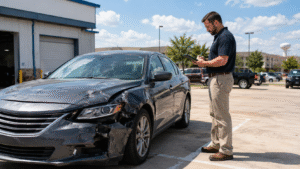

Getting into a car accident is stressful enough. Then the repair estimate arrives. And suddenly another problem appears.
The insurance repair estimate too low situation happens far more often than most drivers expect.
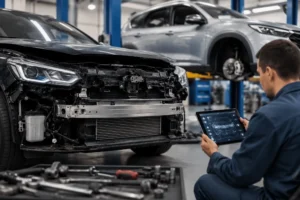
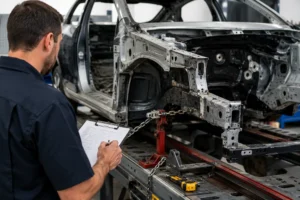
I’ve seen vehicle owners assume the first estimate is final. It is not. In many cases, the original number only reflects visible damage from a quick inspection. Once repairs begin, the real condition of the vehicle starts to surface. Hidden structural problems, sensor failures, suspension damage, and calibration issues can dramatically increase repair costs.
Modern vehicles are complicated machines. A small-looking collision can create thousands of dollars in hidden repairs behind the bumper or beneath the frame rails. Yet insurers often write initial estimates quickly to move claims forward fast.
That creates frustration. Delays. Arguments. And sometimes unsafe repairs.
The good news? Drivers have options. Understanding how the process works can help you protect your vehicle, your finances, and your long-term resale value.
Why Insurance Repair Estimates Are Often Too Low
Many repair estimates begin with limited information.
Sometimes the inspection is performed through uploaded photos. Sometimes an adjuster spends only a short time reviewing visible damage before generating a preliminary report. The insurer may not authorize a full teardown immediately, which means hidden issues stay undiscovered during the first inspection.
That matters more than people realize.
Modern vehicles contain:
- Advanced driver assistance systems
- Multiple sensors
- Cameras
- Electronic steering systems
- Reinforced structural components
- Complex paint systems
A low-speed impact can damage systems that are invisible from the outside.
Here’s where problems begin.
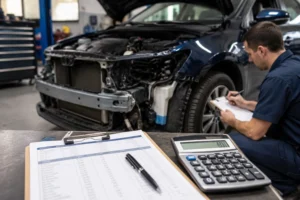
An insurance company may prepare an estimate based only on what is immediately visible. The body shop, however, often discovers additional damage after disassembly starts. Suddenly the original estimate no longer reflects reality.
And honestly? This is incredibly common.
Hidden Damage Changes Everything
One of the biggest reasons an insurance repair estimate too low issue develops is hidden damage.
A bumper cover may appear lightly scratched while internal brackets, crash absorbers, sensors, and support structures underneath are bent or cracked.
The same thing happens with suspension damage.
A wheel impact may slightly affect alignment at first glance, but deeper inspection could reveal damaged control arms, steering components, or subframe issues.
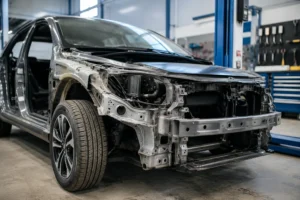
In some severe collisions, hidden structural damage can affect the vehicle’s overall monocoque integrity, which is why deeper inspections are often necessary before repairs are finalized.
Here are some commonly missed repair items during early inspections:
| Commonly Missed Damage | Why It Gets Overlooked |
| Sensor calibration | Damage is electronic, not visible |
| Frame misalignment | Requires measurements |
| Paint blending | Hidden until refinishing begins |
| Suspension damage | Requires lift inspection |
| Wiring damage | Located behind panels |
| ADAS recalibration | Needs specialized equipment |
These repairs add up quickly.
Insurance Software Can Create Estimate Gaps
Most insurers use estimating platforms that rely on standardized repair formulas.
The software itself is not necessarily the problem. The issue comes from how labor times, repair methods, and parts pricing are interpreted.
Some insurers push for:
- Lower labor rates
- Aftermarket parts
- Reconditioned components
- Faster repair assumptions
Meanwhile, the repair shop may follow manufacturer procedures that require more labor and additional safety steps.
That creates a gap between the insurer’s number and the actual repair cost.
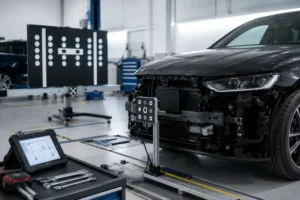
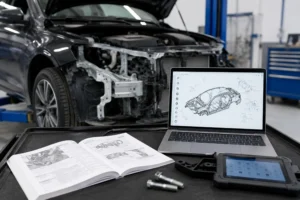
For example, many modern vehicles require sensor recalibration after even minor front-end repairs. That process requires specialized equipment and trained technicians. If the insurer omits those procedures initially, the estimate becomes incomplete.
That is one reason many drivers begin researching the car appraisal process after receiving a questionable estimate. Understanding how professional appraisals work can help identify missing repairs, valuation errors, and supplemental damage insurers may overlook.
And incomplete estimates create disputes.
Signs Your Insurance Repair Estimate Is Too Low

Sometimes the warning signs appear immediately.
Other times they emerge after the repair shop begins work.
Here are several indicators that your estimate deserves closer review.
The Body Shop Estimate Is Much Higher
This is usually the first red flag.
If your repair facility estimates repairs at $8,000 while the insurer approved only $4,500, something deserves explanation.
Large estimate gaps rarely happen by accident.
The differences often involve:
- Missing repair procedures
- Incomplete teardown inspections
- Omitted calibrations
- Labor rate disputes
- Parts disagreements
A second opinion can reveal major inconsistencies.
Important Repairs Are Missing
Carefully review the estimate line by line.
Many vehicle owners never do this. They simply assume everything necessary is included.
That assumption can become expensive.
Look for missing items like:
- Paint blending
- Wheel alignments
- Safety inspections
- Frame measurements
- Diagnostic scans
- Sensor calibration
- Mechanical inspections
Even a few missing procedures can significantly affect repair quality.
Labor Hours Seem Unrealistically Low
Modern repairs take time.
Vehicles today are not built like they were twenty years ago. Lightweight materials, layered paint systems, and integrated electronics increase labor complexity.
If labor hours appear unusually low, ask questions.
A rushed repair process may affect:
- Paint quality
- Panel fitment
- Structural integrity
- Safety systems
- Vehicle resale value
And nobody wants that after an accident.
Aftermarket Parts Can Create Disputes
One major source of conflict involves replacement parts.
Insurance companies often approve aftermarket or recycled parts because they reduce claim costs. In some situations, those parts work perfectly fine. In others, they create fitment, durability, or appearance concerns.
OEM parts typically match factory specifications more closely.
The challenge?
OEM parts usually cost more.
Here’s a simple comparison:
| Part Type | Advantages | Concerns |
| OEM Parts | Factory fit and finish | Higher cost |
| Aftermarket Parts | Lower price | Potential fitment issues |
| Recycled Parts | Cost savings | Prior wear or damage |
Drivers should understand what parts are being approved before repairs begin.
Why ADAS Systems Complicate Repairs
Modern vehicles rely heavily on advanced driver assistance systems.
These systems include:
- Blind spot monitoring
- Lane departure warnings
- Adaptive cruise control
- Collision avoidance systems
- Parking sensors
After a collision, many of these systems require recalibration.
This is not optional.
Improper calibration can affect vehicle safety. Modern driver-assistance technology also relies heavily on electronic communication systems regulated by organizations like the National Highway Traffic Safety Administration, especially when recalibration and post-repair safety inspections are required.
Yet some initial estimates fail to include these procedures because the damage is not immediately visible during inspection.
That is one reason an insurance repair estimate too low issue becomes so frustrating for drivers.
The repair cost continues climbing while the insurer may resist adjustments.
What To Do If Your Estimate Seems Too Low
The worst thing you can do is accept a questionable estimate without investigation.
Instead, take a structured approach.
Get a Second Repair Opinion
This step matters.
Independent collision shops often identify damage that initial inspections miss. Dealer-certified repair centers can also provide valuable insight, especially for luxury vehicles or newer models.
Ask the shop to explain:
- Missing repairs
- Required safety procedures
- Manufacturer recommendations
- Calibration requirements
- Structural concerns
Detailed explanations strengthen your position.
Request a Supplement
Supplements are normal in collision repair.
Very normal.
A supplement is simply an updated repair request submitted after additional damage is discovered during repairs.
Supplements commonly include:
- Hidden structural damage
- Additional labor
- Mechanical repairs
- Sensor recalibration
- Replacement parts
Drivers often panic when they hear repairs are increasing. But supplements are part of the process.
The key is making sure repairs are documented properly.
Document Everything
Documentation protects you.
Take photos before repairs begin. Save every estimate, invoice, email, and inspection report. Keep records organized.
Strong documentation can help during:
- Estimate disputes
- Supplemental negotiations
- Appraisal processes
- Diminished value claims
The more evidence you have, the stronger your position becomes.
Understanding Independent Auto Appraisals
An independent appraisal provides another layer of protection for drivers.
Unlike the insurance adjuster, an independent appraiser works objectively to evaluate vehicle damage, repair costs, and market value concerns.
This becomes especially important when:
- Estimates vary dramatically
- Total loss valuations seem inaccurate
- Repairs appear incomplete
- Diminished value disputes arise
Professional appraisers analyze far more than surface damage.
They may review:
- Market comparisons
- Repair procedures
- Vehicle condition
- Prior damage
- Structural measurements
- Labor standards
Many drivers request a professional car appraisal after accident when repair costs and insurance estimates do not reflect the actual condition of the vehicle. Independent evaluations can uncover issues that were missed during the initial inspection process.
That information can support negotiations significantly.
Insurance Adjusters vs Independent Appraisers
People often confuse these roles.
They are not the same thing.
Here’s the difference:
| Role | Primary Focus |
| Insurance Adjuster | Represents insurer interests |
| Independent Appraiser | Provides objective valuation analysis |
This distinction matters during disputes.
An independent appraisal can identify missed repairs or undervalued losses that affect claim outcomes.
Total Loss Valuation Problems
Sometimes the dispute goes beyond repairs.
A vehicle may be declared a total loss, yet the payout offer feels far too low.
This happens frequently when insurers rely on questionable comparable vehicles or fail to account for upgrades, condition, or local market pricing.
A low valuation can leave drivers unable to replace their vehicle properly.
Important valuation factors include:
- Mileage
- Vehicle condition
- Service history
- Trim package
- Optional equipment
- Regional market demand
Even small errors in valuation data can significantly reduce payouts.
Diminished Value Is Often Overlooked
Even after repairs are completed, many vehicles lose resale value because of accident history.
That loss is called diminished value.
Buyers often pay less for vehicles with prior collision records, even when repairs were performed correctly.
This issue becomes especially important for:
- Luxury vehicles
- Newer cars
- Low-mileage vehicles
- Specialty vehicles
An independent appraisal may help quantify diminished value losses accurately.
And yes, those losses can be substantial.
Common Mistakes Drivers Make
Drivers sometimes unintentionally weaken their own claims.
Here are several mistakes worth avoiding.
Accepting the First Offer Too Quickly
Initial estimates are not always final.
Review everything carefully before approving repairs or settlements.
Choosing the Cheapest Repair Shop
Low-cost repairs can create long-term problems.
Poor workmanship affects:
- Safety
- Appearance
- Durability
- Vehicle value
Certified repair facilities may cost more upfront but often provide better long-term outcomes.
Failing To Read the Policy
Many drivers never review their policy details until after an accident occurs.
Important coverage details may involve:
- OEM part endorsements
- Appraisal clauses
- Rental reimbursement
- Diminished value eligibility
Understanding these details early helps avoid surprises later.
Repairing the Vehicle Without Proper Documentation
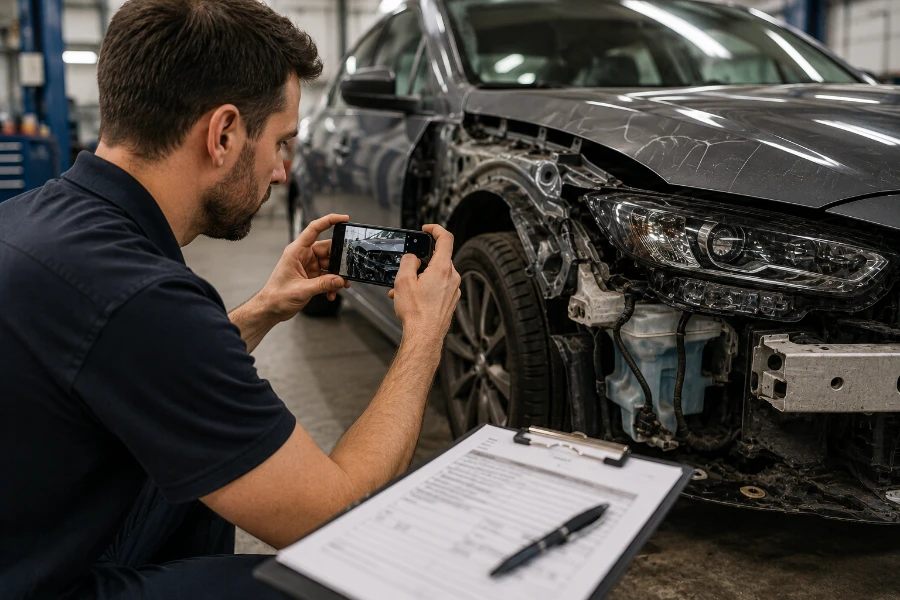
Once repairs begin, evidence can disappear quickly.
Photographs and written inspections should be collected before major disassembly whenever possible.
How Auto Adjusting Helps Drivers During Estimate Disputes
When an insurance repair estimate too low situation develops, professional support can make the process less overwhelming.
Auto Adjusting helps vehicle owners by providing independent appraisal services focused on fair evaluations and accurate repair analysis.
That may include:
- Repair estimate reviews
- Total loss valuation analysis
- Diminished value assessments
- Supplemental damage documentation
- Objective vehicle appraisals
Independent analysis helps drivers understand whether the insurer’s numbers truly reflect the real condition of the vehicle.
And honestly, clarity matters during stressful claims.
Preventing Estimate Problems Before They Start
Nobody plans for accidents. But preparation helps.
Here are several smart habits drivers should follow:
Take Detailed Photos Immediately
Capture multiple angles, close-up damage, road conditions, and surrounding vehicles.
Choose Qualified Repair Facilities
Look for certified collision centers with experience repairing your vehicle brand.
Understand Your Coverage
Review policy details before accidents happen, especially appraisal rights and parts endorsements.
Keep Maintenance Records
Well-documented vehicle history can support stronger valuations during total loss disputes.
Ask Questions
If something feels unclear, ask. Drivers should fully understand repair procedures and estimate details before approving work.
Final Thoughts
A low repair estimate can leave drivers frustrated, confused, and worried about vehicle safety.
But the first number is not always the final answer.
The insurance repair estimate too low issue often stems from incomplete inspections, hidden damage, labor disputes, aftermarket parts concerns, or inaccurate valuations. Understanding those factors gives drivers more control during the claims process.
Careful documentation matters. Independent opinions matter. Professional appraisals matter.
Most importantly, vehicle owners should never feel pressured to accept a questionable estimate without fully understanding the repair scope.
Because once the repairs are done, the consequences of shortcuts can stay with the vehicle for years.
FAQs
Start by getting a second opinion from a reputable collision repair shop and compare it line by line with the insurer’s estimate.
Yes. Many collisions reveal additional structural, suspension, or electronic damage only after the vehicle is disassembled.
Absolutely. Supplements are common and allow repair shops to request payment for newly discovered damage during repairs.
Yes. In most cases, you have the legal right to choose the repair facility you trust for your vehicle repairs.
Insurance companies often use aftermarket parts to reduce claim costs, although some drivers prefer OEM parts for fit and quality reasons.
ADAS recalibration restores the accuracy of safety systems like lane assist, blind spot monitoring, and collision warnings after repairs.
Yes. If the valuation seems inaccurate, you can challenge it using market comparisons, maintenance records, and independent appraisals.
Diminished value refers to the reduction in your vehicle’s resale value after an accident, even if repairs were completed properly.
Not necessarily. Initial estimates are often preliminary and may not include all necessary repairs or hidden damage.
An independent appraiser can provide objective evaluations of repair costs, total loss value, and diminished value claims.