
An insurance total loss dispute can turn an already stressful accident into a frustrating financial battle. One moment you are dealing with vehicle damage. The next, you are staring at a settlement offer that feels thousands of dollars too low. It happens constantly. And most drivers are not prepared for it.
Insurance companies move fast during total loss claims. Sometimes too fast.
A vehicle owner may assume the insurer’s number is accurate because it came from a professional valuation report. But many reports contain problems. Wrong trim packages. Incorrect mileage adjustments. Poor comparable vehicles. Missing upgrades. Low market comparisons from completely different regions.
That is where insurance total loss dispute situations begin.
For many vehicle owners, the dispute is not about greed. It is about fairness. They simply want enough money to replace what they lost.
The good news? Total loss valuations are negotiable. Very negotiable in some cases.
Independent auto appraisals, proper documentation, and strong evidence can dramatically improve claim outcomes. I have seen vehicle owners increase settlement values significantly simply because they challenged inaccurate reports instead of accepting the first offer. Many drivers dealing with valuation disagreements also start researching the car appraisal process once they realize how much influence independent appraisals can have during negotiations.
Let’s break down how these disputes work and what drivers can do to protect themselves.
Understanding What “Total Loss” Really Means
Many people assume a total loss means the vehicle was completely destroyed.
Not true.
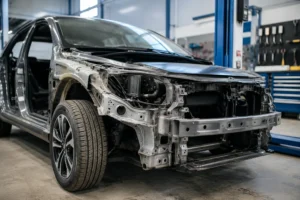
A vehicle can still be repairable and still qualify as a total loss. Insurance companies often make that decision based on economics, not whether the car can physically drive again.
Typically, insurers compare:
- Estimated repair costs
- Salvage value
- Actual Cash Value (ACV)
If repairs exceed a certain percentage of the vehicle’s value, the insurer may declare it totaled.
Some states use strict percentage thresholds. Others use formulas involving salvage recovery values. Either way, the process often creates disagreements.
Especially when the owner believes the vehicle is worth more than the insurer claims.
Common Reasons Vehicles Are Declared Total Losses
| Reason | Explanation |
| High repair costs | Repairs exceed state or insurer thresholds |
| Airbag deployment | Safety systems increase repair costs quickly |
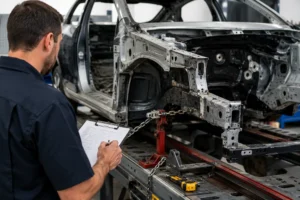
| Frame damage | Structural repairs become expensive |
| Parts shortages | Delays and costs make repair impractical |
| Severe flood damage | Electrical systems become unreliable |
A totaled vehicle is not automatically worthless. That distinction matters enormously during an insurance total loss dispute.
Why Insurance Total Loss Disputes Happen
Most disputes begin with valuation disagreements.
Simple.
The insurance company says the car is worth one number. The owner believes it is worth another.
That gap can become huge.
Low Comparable Vehicle Selections
Insurers usually rely on comparable vehicle listings to determine value. But those comparisons are not always fair.
Some reports include vehicles with:
- Higher mileage
- Fewer options
- Poor condition
- Accident histories
- Different trim levels
A driver with a well-maintained truck loaded with premium features may suddenly see comparisons against basic fleet models. That changes everything.
And the owner loses money because of it.
Missing Upgrades and Options
This issue appears constantly during insurance total loss dispute claims.
Important upgrades are often excluded, including:
- Premium audio packages
- Lift kits
- Wheels and tires
- Technology packages
- Leather interiors
- Performance upgrades
- Towing packages
Even factory-installed features sometimes disappear from valuation reports.
That lowers settlement offers fast.
Regional Market Differences
Used vehicle prices vary dramatically by region.
A truck in Texas may command a much higher market value than the same truck elsewhere because local demand is stronger. The same applies to SUVs, performance cars, hybrids, and diesel vehicles.
Some valuation systems fail to reflect local demand accurately.
Owners pay the price for those mistakes.
Common Insurance Company Tactics During Total Loss Claims
Not every insurer handles claims unfairly. Some are reasonable and professional.
Others? Much more aggressive.
Understanding common tactics helps vehicle owners avoid costly mistakes.
Using Lower-Priced Comparable Vehicles
One of the most common strategies involves selecting cheaper comparable vehicles that reduce the calculated ACV.
The report may include vehicles:
- Located hundreds of miles away
- With fewer features
- In rougher condition
- With prior accidents
- With unrealistic asking prices
Most drivers never review the report carefully enough to catch these details.
That is exactly why reviewing every comparable matters.
Pressure To Settle Quickly
Insurance companies often move quickly after declaring a total loss.
Very quickly.
The adjuster may say:
- “This is a fair offer.”
- “Most people accept this amount.”
- “We need to close the file.”
- “The valuation report is final.”
It usually is not final.
Vehicle owners often have negotiation rights, appraisal rights, or dispute options available under the policy.
Rushing into acceptance can cost thousands.
Depreciation Disputes
Insurers apply condition adjustments constantly.
Sometimes fairly.
Sometimes not.
A valuation report may claim the vehicle had:
- Excessive wear
- Interior damage
- Paint problems
- Mechanical concerns
But if those conclusions are inaccurate, the settlement drops unfairly.
Photos and maintenance records become critical evidence during an insurance total loss dispute. Some independent valuation specialists even rely on advanced forms of heuristics when identifying inconsistencies between vehicle condition reports and actual market behavior during negotiations.
How Insurance Companies Calculate Vehicle Value

Understanding valuation methods changes the entire negotiation dynamic.
Drivers who understand the process negotiate more effectively.
Actual Cash Value Explained
Actual Cash Value represents the market value of the vehicle immediately before the accident.
Not replacement cost.
Not original purchase price.
The insurer attempts to calculate what the vehicle would have sold for locally in its pre-loss condition.
Factors commonly used include:
| Valuation Factor | Impact on Settlement |
| Mileage | Higher mileage lowers value |
| Vehicle condition | Better condition increases value |
| Accident history | Prior damage may reduce value |
| Trim level | Premium trims raise value |
| Market demand | High-demand vehicles sell for more |
| Optional equipment | Additional features increase value |
Small errors in these categories create large financial differences. Drivers researching consumer rights and claim dispute procedures can also review educational materials published by the Federal Trade Commission to better understand how documentation and negotiation practices affect financial settlements.
Third-Party Valuation Companies
Many insurers outsource valuations to third-party companies such as:
- CCC Intelligent Solutions
- Mitchell
- Audatex
These companies generate automated valuation reports using databases and algorithms.
But algorithms are not perfect.
Reports sometimes contain:
- Incorrect trim packages
- Duplicate comparable vehicles
- Outdated listings
- Inaccurate adjustments
- Missing options
That is why owners should request the complete valuation report immediately.
Every page matters.
Signs the Insurance Offer May Be Too Low
Certain warning signs appear repeatedly during an insurance total loss dispute.
Watch for them carefully.
The Comparable Vehicles Look Wrong
If the report compares your loaded SUV against base models, something is wrong.
If the mileage differences are massive, that matters too.
Features Are Missing
Review every option carefully.
Missing features commonly include:
- Sunroof packages
- Safety technology
- Navigation systems
- Off-road packages
- Premium wheels
- Heated seats
Missing equipment lowers settlement values dramatically.
Local Market Prices Do Not Match
Search your local market independently.
If comparable vehicles in your area sell for far more than the insurer’s report suggests, you may have strong grounds for dispute.
What Vehicle Owners Should Do Immediately
The first few days after a total loss decision are extremely important.
Documentation becomes leverage.
Request the Full Valuation Report
Never rely on verbal explanations.
Request the complete report in writing.
Then review:
- Comparable vehicles
- Mileage adjustments
- Condition ratings
- Trim levels
- Optional equipment
- Market area selection
Small errors create major settlement reductions.
Gather Supporting Evidence
Strong evidence strengthens negotiations enormously.
Helpful documents include:
- Maintenance records
- Upgrade receipts
- Tire purchase receipts
- Service history
- Photos before the accident
- Local comparable vehicle listings
The stronger your evidence package becomes, the harder it is for inaccuracies to survive scrutiny.
Avoid Accepting The First Offer Immediately
Many owners feel pressure to resolve claims quickly.
Understandable.
But quick settlements are not always fair settlements.
Take time to review everything carefully before signing releases or accepting payment.
The Role of Independent Auto Appraisals
This is where independent appraisals become powerful.
Especially during large insurance total loss dispute claims.
An independent appraiser evaluates the vehicle objectively and researches fair market value based on real-world conditions.
Not just automated software outputs.
Vehicle owners who have already experienced collision damage before a total loss claim often understand how valuable a professional car appraisal after accident can become when insurers undervalue vehicle conditions or overlook important upgrades.
What Independent Auto Appraisers Analyze
Professional appraisers often review:
- Vehicle condition
- Service history
- Local market trends
- Comparable listings
- Factory equipment
- Modifications
- Prior repairs
- Collector value considerations
That broader analysis often produces more accurate valuations.
Vehicles That Commonly Need Independent Appraisals
Some vehicles create especially complex valuation disputes.
Examples include:
| Vehicle Type | Why Disputes Happen |
| Classic cars | Limited comparable sales |
| Lifted trucks | Expensive modifications |
| Luxury vehicles | High option variability |
| Collector cars | Specialty market demand |
| Commercial vehicles | Business-use considerations |
| Performance vehicles | Unique market pricing |
Standard valuation software struggles with these vehicles constantly.
How Auto Appraisals Strengthen Negotiations
An appraisal provides evidence.
Professional evidence.
That changes conversations fast.
Instead of emotional arguments, the owner now presents:
- Market research
- Comparable analysis
- Documentation
- Expert valuation opinions
Insurance companies often respond differently when credible independent reports enter the dispute.
Insurance Appraisal Clauses and Total Loss Disputes
Many policies contain appraisal clauses.
Most drivers never notice them until problems arise.
An appraisal clause allows disputes about value to proceed through a formal resolution process without immediately filing lawsuits.
How The Appraisal Process Works
Typically:
- The owner selects an appraiser
- The insurer selects an appraiser
- The two appraisers attempt to agree
- If disagreements continue, an umpire may become involved
The process focuses specifically on value disputes.
Not liability disputes.
Not coverage disputes.
That distinction matters.
Benefits of Appraisal
Compared to litigation, appraisal often provides:
- Faster resolution
- Lower costs
- Less stress
- Specialized valuation expertise
- Reduced court involvement
For many insurance total loss dispute situations, appraisal becomes the most practical path forward.
Common Mistakes That Hurt Total Loss Disputes
Some mistakes weaken otherwise strong cases.
Avoid them.
Accepting The First Offer Too Quickly
This is probably the biggest mistake.
Once releases are signed, reopening claims becomes difficult.
Always review the valuation carefully first.
Failing To Document Vehicle Condition
Photos matter.
Maintenance records matter.
Receipts matter.
Without documentation, proving premium condition becomes harder.
Ignoring Appraisal Rights
Many owners never realize they can invoke appraisal under their policy.
That oversight can cost significant money.
Relying Only On Verbal Conversations
Always request written communication.
Always.
Email creates accountability and preserves evidence.
Document:
- Settlement offers
- Valuation explanations
- Comparable vehicle discussions
- Coverage decisions
Good records strengthen disputes tremendously.
Special Situations In Insurance Total Loss Disputes

Some claims become more complicated than others.
Financed Vehicles
Owners with loans face additional stress if settlements fall below loan balances.
Gap insurance may help cover deficiencies.
Without it, owners may still owe money after the vehicle is totaled.
Leased Vehicles
Lease agreements often contain strict total loss procedures.
The leasing company usually controls portions of the settlement process.
Modified Trucks and Performance Vehicles
Custom parts create huge valuation disagreements.
Insurers may undervalue:
- Suspension upgrades
- Performance tuning
- Custom wheels
- Audio systems
- Off-road accessories
Detailed receipts become critical evidence.
Collector and Specialty Vehicles
Collector vehicle values often fluctuate based on enthusiast demand.
Automated valuation systems struggle badly in these situations.
Independent specialty appraisals become essential.
How Long Total Loss Disputes Usually Take
Simple disputes may resolve within days.
Complex disputes may take weeks or months.
Several factors influence timelines:
| Factor | Effect on Timeline |
| Missing documents | Slows negotiations |
| Independent appraisal | Adds review time |
| Large valuation gaps | Extends disputes |
| Complex vehicles | Requires deeper analysis |
| Appraisal clause invocation | Formalizes timeline |
Patience matters.
Strong disputes require thorough documentation and careful review.
Can You Challenge A Total Loss Decision?
Sometimes, yes.
In certain situations, owners may challenge whether the vehicle should be totaled at all.
This becomes more common when:
- Repair costs were inflated
- Parts pricing changes
- Supplemental estimates vary
- Specialty repairs are possible
Some owners also choose owner-retained salvage options, allowing them to keep the vehicle while accepting reduced settlement amounts.
State laws influence these decisions heavily.
Tips For Winning An Insurance Total Loss Dispute
Successful disputes usually follow similar patterns.
Organization. Evidence. Patience.
Stay Organized
Create folders for:
- Photos
- Receipts
- Emails
- Comparable listings
- Maintenance records
- Valuation reports
Disorganized claims weaken negotiating power.
Understand Your Vehicle’s Market
Research your local market carefully.
Look for:
- Similar mileage
- Matching trim levels
- Comparable condition
- Similar options
Generic comparisons are not enough.
Communicate Professionally
Anger rarely improves settlements.
Clear evidence does.
Professional communication keeps negotiations productive.
Hire Independent Experts When Necessary
Sometimes expert involvement changes everything.
Independent appraisers bring:
- Market expertise
- Valuation credibility
- Negotiation support
- Documentation strength
That leverage often improves outcomes substantially.
Final Thoughts
An insurance total loss dispute can feel overwhelming at first. Especially when the settlement offer seems unfair and the pressure to settle arrives immediately.
But vehicle owners have options.
Strong documentation, careful review of valuation reports, and independent auto appraisals can dramatically improve claim outcomes. Many low settlement offers contain errors that only become visible after detailed analysis.
Do not assume the first number is the final number.
Review everything carefully. Ask questions. Challenge inaccurate comparisons. Protect the value of your vehicle professionally and strategically.
Because once the claim closes, the opportunity to recover lost value may disappear for good.
FAQs
An insurance total loss dispute happens when a vehicle owner disagrees with the insurance company’s valuation or total loss decision after an accident.
Yes. Insurance settlement offers are often negotiable, especially if the valuation report contains inaccurate comparable vehicles or missing features.
Most insurers use market comparisons, mileage, condition, vehicle history, and optional equipment to calculate Actual Cash Value (ACV).
Request the full valuation report immediately and compare it against local market listings, maintenance records, and your vehicle’s actual features.
Absolutely. Independent appraisals provide professional market valuations that can strengthen negotiations and challenge inaccurate insurer reports.
An appraisal clause allows both sides to resolve value disagreements through independent appraisers instead of going directly to court.
They can, but only if properly documented. Receipts, photos, and installation records help support upgraded vehicle values.
Simple disputes may resolve within days, while more complex appraisal disputes can take several weeks or months.
In some cases, yes. Owners may choose owner-retained salvage options, though state laws and insurer rules vary.
Not always. Carefully review the valuation report first because some initial offers may undervalue the vehicle significantly.