You open the settlement letter expecting good news.
Instead, you see a number that immediately raises questions.
Maybe it’s thousands of dollars lower than expected. Maybe you’ve been shopping for a replacement vehicle and discovered the settlement won’t come close to covering what similar vehicles are selling for. Or perhaps you’ve reviewed the valuation report and noticed information that simply doesn’t look right.
If you’ve found yourself saying insurance undervalued my car, you’re certainly not alone.
Vehicle valuation disputes are among the most common disagreements that occur after accidents, theft claims, and total loss determinations. While insurance companies use sophisticated valuation systems and extensive databases, those systems aren’t perfect. Mistakes happen. Market conditions change. Vehicle features get overlooked. Comparable vehicles aren’t always truly comparable.
The result?
A settlement offer that may not accurately reflect your vehicle’s true market value.
Fortunately, a low valuation doesn’t automatically mean you’re out of options. Understanding how insurers determine value and knowing how to challenge inaccuracies can make a significant difference in the outcome of your claim.
Why Insurance Companies Sometimes Undervalue Vehicles
Many drivers assume an insurance company simply chooses a number and expects them to accept it.
The reality is more complicated.
Insurance carriers typically rely on valuation providers, market data services, and software platforms that analyze recent vehicle sales. These systems gather information from multiple sources to estimate what your vehicle was worth immediately before the loss occurred.
That sounds reasonable.
However, valuation accuracy depends entirely on the quality of the information being used.
How Vehicle Values Are Determined
Most total loss claims are based on Actual Cash Value (ACV).
Insurers generally evaluate:
- Year
- Make
- Model
- Trim level
- Mileage
- Vehicle condition
- Geographic location
- Optional equipment
- Prior damage history
- Comparable vehicle sales
Each factor contributes to the final valuation.
Even small errors can have a surprisingly large impact.
Common Reasons Vehicles Are Undervalued
Incorrect Vehicle Information
One of the most frequent causes of valuation disputes is incorrect vehicle data.
Examples include:
- Wrong trim package
- Incorrect mileage
- Missing factory options
- Omitted premium features
- Incorrect drivetrain configuration
Imagine owning a fully loaded SUV but receiving a valuation based on a lower trim package.
That difference alone could affect the settlement by several thousand dollars.
Poor Comparable Vehicle Selection
Comparable vehicles play a critical role in valuation reports.
Unfortunately, some comparables are not truly comparable.
Problems often include:
- Higher mileage vehicles
- Different trim levels
- Inferior condition
- Different geographic markets
- Missing premium features
When flawed comparisons are used, the resulting valuation can be misleading.
Local Market Conditions Are Ignored
Vehicle values vary significantly by region.
A pickup truck may command a higher price in one state than another. Likewise, local inventory shortages and consumer demand can influence pricing.
When local market realities aren’t properly considered, settlements may fail to reflect actual replacement costs.
Signs Your Insurance Company Undervalued Your Car
Not every settlement offer is inaccurate.
However, several warning signs deserve attention.
Similar Vehicles Are Selling for Much More
One of the clearest indicators is the local market.
If vehicles matching your make, model, trim, mileage, and condition are consistently listed for thousands more than your settlement offer, further investigation may be warranted.
Review:
- Dealership inventory
- Online marketplaces
- Certified pre-owned listings
- Local classified advertisements
Important Features Are Missing
Many valuation reports overlook optional equipment.
Examples include:
- Premium sound systems
- Navigation packages
- Advanced driver-assistance systems
- Luxury upgrades
- Performance packages
- Off-road packages
These features add value.
If they’re missing, the valuation may be incomplete.
Recent Repairs Were Ignored
Vehicle condition influences market value.
Recent investments may support a higher valuation.
| Improvement | Potential Value Impact |
| New tires | Moderate |
| Engine replacement | Significant |
| Transmission replacement | Significant |
| Suspension upgrades | Moderate |
| Interior restoration | Moderate |
| Premium wheels | Moderate |
Repairs don’t always increase value dollar-for-dollar, but they often improve condition ratings and marketability.
Understanding Actual Cash Value
Actual Cash Value is often misunderstood.
Many policyholders believe they’re entitled to enough money to purchase a replacement vehicle.
Unfortunately, that’s not always how auto insurance works.
What Is Actual Cash Value?
Actual Cash Value generally reflects the vehicle’s fair market value immediately before the loss occurred.
It does not represent:
- Original purchase price
- Loan balance
- Emotional value
- Replacement cost
Instead, it reflects what a willing buyer would likely pay for the vehicle in its pre-loss condition.
Actual Cash Value vs. Replacement Cost
| Actual Cash Value | Replacement Cost |
| Includes depreciation | Excludes depreciation |
| Reflects market value | Reflects replacement expense |
| Common in auto claims | More common in property claims |
| Usually lower | Usually higher |
Even after accounting for depreciation, many drivers still believe insurance undervalued my car because the settlement falls below realistic market expectations.
What To Do If Insurance Undervalued My Car
The worst thing you can do is immediately accept the first offer without reviewing the details.
Slow down.
Take a closer look.
Review the Valuation Report
Many vehicle owners never fully read the valuation report.
That’s a mistake.
Check:
- VIN information
- Mileage
- Vehicle options
- Trim level
- Condition ratings
- Comparable vehicles
You may discover errors that significantly impact value.
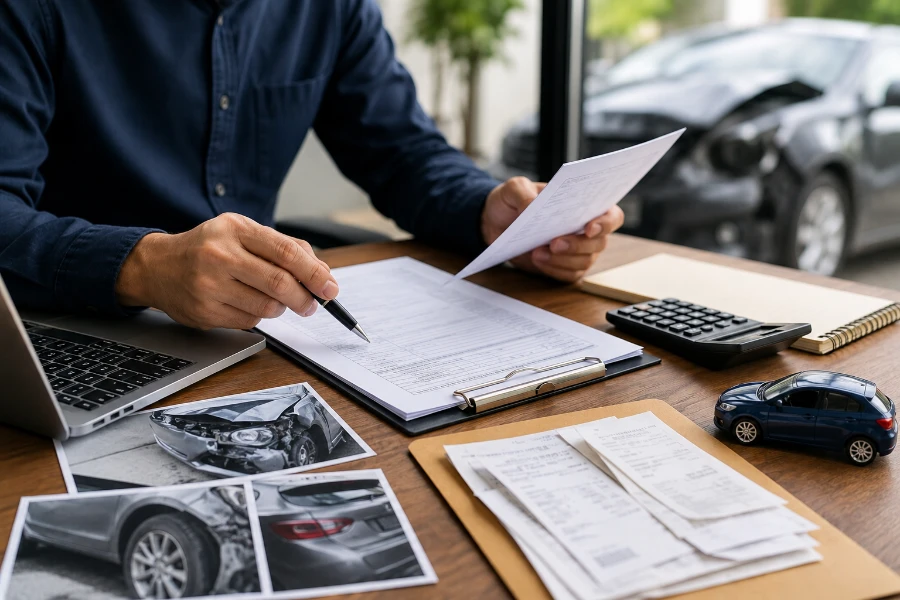
Gather Supporting Documentation
Evidence matters.
Useful documentation includes:
- Maintenance records
- Service receipts
- Upgrade invoices
- Inspection reports
- Vehicle photographs
- Purchase documentation
The stronger your documentation, the stronger your position becomes.
More importantly, documentation creates a factual foundation for any valuation dispute. If you’re unfamiliar with how independent valuations are performed, reviewing the car appraisal process can help you understand how professional appraisers analyze comparable sales, vehicle condition, market trends, and supporting evidence to determine a more accurate value.
Research Comparable Vehicles
This step is critical.
Look for vehicles that closely match:
- Year
- Make
- Model
- Trim
- Mileage
- Condition
The goal isn’t to find the most expensive listing available.
The goal is to establish a realistic market value supported by evidence.
Market conditions can also influence what buyers are willing to pay for used vehicles. Factors such as inflation, supply shortages, interest rates, and consumer demand can affect pricing trends. Readers interested in understanding how broader economic conditions impact vehicle values can review data published by the U.S. Bureau of Labor Statistics Consumer Price Index (CPI).
Ask Questions
If something appears incorrect, ask for clarification.
Questions may include:
- How were comparables selected?
- Were all options included?
- How was vehicle condition evaluated?
- Can additional documentation be reviewed?
- Were local market conditions considered?
Sometimes simple corrections can significantly improve a settlement offer.
Mistakes Drivers Make During Valuation Disputes
Accepting the First Offer Immediately
Many drivers assume the first offer is final.
It often isn’t.
Additional documentation may support a revised valuation.
Relying on Emotions Instead of Evidence
Frustration is understandable.
However, evidence wins disputes.
Not opinions.
Not assumptions.
Evidence.
Ignoring Documentation
The strongest valuation disputes typically include:
- Comparable sales
- Service records
- Photographs
- Upgrade receipts
- Independent appraisals
The more organized your documentation, the stronger your position.
Missing Important Deadlines
Most policies contain deadlines.
Stay organized and respond promptly to requests for information.
Assuming the Insurance Company Is Always Correct
Valuation systems are useful.
But they are not infallible.
If you genuinely believe insurance undervalued my car, it is reasonable to request further review.
How Independent Auto Appraisals Can Help
When negotiations stop moving forward, many vehicle owners begin looking for another path.
This is where independent appraisals often enter the picture.
An independent appraisal provides an objective opinion of value based on documented facts, market research, and professional analysis. Unlike the insurance company’s valuation vendor, an independent appraiser works solely to determine a fair and supportable market value.
What Is an Independent Vehicle Appraisal?
An independent vehicle appraisal is a professional evaluation of a vehicle’s worth.
The appraisal process often includes:
- Vehicle inspection
- Market analysis
- Comparable vehicle research
- Condition assessment
- Documentation review
- Written valuation report
Professional appraisers use structured valuation methods to determine market value. While vehicle appraisals are not purely academic exercises, some valuation techniques share similarities with hedonic regression, a statistical approach that estimates value by analyzing how individual characteristics contribute to the price of an asset.
The final report provides evidence that can be used during negotiations, appraisal proceedings, or settlement discussions.
When You Should Consider an Appraisal
Not every claim requires one.
However, an appraisal may be worthwhile if:
- The settlement offer seems significantly low
- The vehicle has unique options
- Comparable vehicles are difficult to locate
- The vehicle is rare or collectible
- Negotiations have stalled
- Thousands of dollars are at stake
Many policyholders reach this point after repeatedly thinking, “insurance undervalued my car and nobody seems willing to explain why.”
Information Included in a Professional Appraisal
A quality appraisal typically evaluates several important factors.
| Appraisal Component | Purpose |
| Vehicle condition | Establishes overall quality |
| Comparable sales | Supports market value |
| Vehicle options | Identifies additional value |
| Local market trends | Reflects actual pricing |
| Service history | Demonstrates maintenance |
| Supporting documents | Strengthens conclusions |
Strong reports are built on evidence.
That’s what makes them effective.
How Appraisals Strengthen Settlement Negotiations
Insurance companies respond to facts.
An independent appraisal provides those facts.
Rather than simply arguing that the offer feels too low, you can present documented support showing why a different value is justified.
That often changes the conversation.
The Insurance Appraisal Clause Explained
Many auto insurance policies contain an appraisal clause.
Unfortunately, most drivers never learn about it until a dispute develops.
What Is an Appraisal Clause?
An appraisal clause is a policy provision that allows valuation disagreements to be resolved through an independent process.
Importantly, the appraisal clause does not determine coverage.
Instead, it focuses on one issue:
Vehicle value.
How the Appraisal Process Works
While procedures vary, the process often follows a similar structure.
- The policyholder selects an appraiser.
- The insurance company selects an appraiser.
- Both appraisers review the dispute.
- If necessary, an umpire is selected.
- A final valuation is reached.
This process can often resolve disagreements without lengthy litigation.
Benefits of Using the Appraisal Process
Potential benefits include:
- Independent review
- Faster dispute resolution
- Objective analysis
- Reduced conflict
- Improved settlement accuracy
For many drivers, the appraisal process becomes the most effective solution when insurance undervalued my car and traditional negotiations stop producing results.
Insurance Undervalued My Total Loss Vehicle: Special Considerations
Total loss claims often involve the largest valuation disputes.
Why?
Because the settlement amount becomes the primary source of financial recovery.
When the value is wrong, the consequences can be significant.
Understanding Total Loss Valuations
A total loss occurs when repairing the vehicle is no longer economically practical.
Instead of paying for repairs, the insurer offers a settlement based on Actual Cash Value.
The challenge lies in determining that value accurately.
Common Problems With Total Loss Settlements
Common valuation issues include:
- Incorrect trim levels
- Missing options
- Weak comparable vehicles
- Excessive deductions
- Inaccurate condition ratings
- Outdated market data
Even relatively small valuation errors can translate into thousands of dollars.
The Role of Accident-Related Valuation Reviews
Many total loss disputes begin after a collision.
When that happens, obtaining a professional car appraisal after accident can provide independent documentation that supports a more accurate valuation. A well-supported appraisal may identify market factors, condition details, and comparable vehicle information that were overlooked during the original settlement calculation.
Negotiating a Better Total Loss Settlement
Successful negotiations are usually evidence-driven.
Helpful supporting materials include:
- Independent appraisals
- Vehicle photographs
- Maintenance records
- Upgrade receipts
- Market listings
- Service documentation
The more evidence you provide, the stronger your position becomes.
Diminished Value Claims and Undervaluation
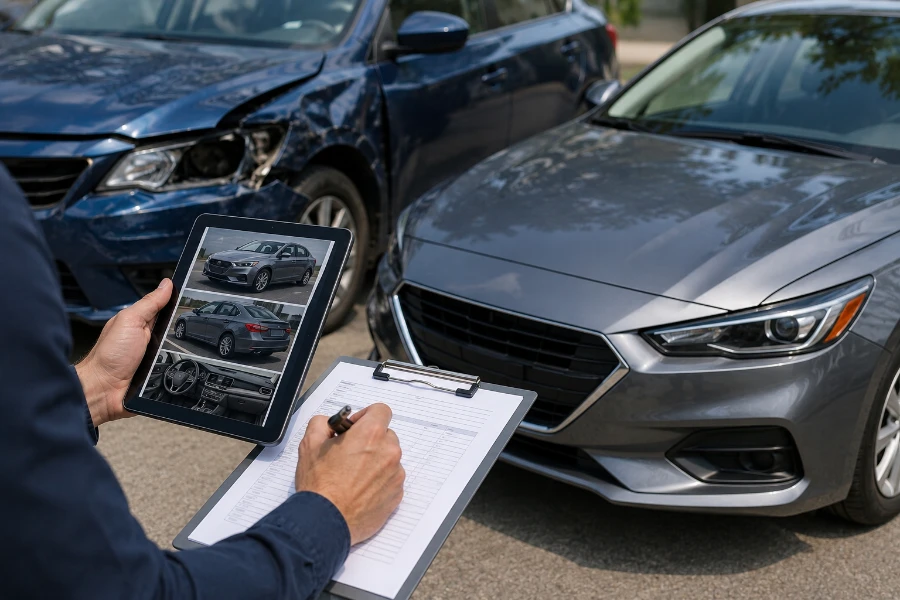
Not every valuation dispute involves a total loss.
Sometimes the vehicle is repaired but still loses market value because of its accident history.
This reduction is commonly known as diminished value.
What Is Diminished Value?
Diminished value refers to the difference between a vehicle’s value before an accident and its value after repairs have been completed.
Even excellent repairs cannot erase a vehicle’s accident history.
Potential buyers often pay less for vehicles that have previously sustained significant damage.
Why Diminished Value Matters
A repaired vehicle may look identical.
The market may see it differently.
That difference can affect resale value for years.
Supporting a Diminished Value Claim
Helpful evidence may include:
- Vehicle history reports
- Professional appraisals
- Repair documentation
- Comparable vehicle sales
- Market analysis
Independent appraisals frequently play a major role in supporting diminished value claims.
How To Build a Strong Vehicle Valuation Dispute
Strong valuation disputes are organized.
Weak ones are not.
The difference matters.
Create a Documentation File
Gather everything relevant.
Include:
- Vehicle photographs
- Maintenance records
- Service invoices
- Purchase documents
- Comparable listings
- Appraisal reports
Organization improves credibility.
Organize Evidence Chronologically
Presenting information in a clear timeline helps reviewers understand the history of the vehicle and the basis for your valuation concerns.
Present Facts Instead of Opinions
Avoid statements like:
- “The offer is ridiculous.”
- “I know my car is worth more.”
Instead, focus on evidence:
- Comparable vehicles are selling for higher prices.
- The valuation omitted specific options.
- The mileage listed is inaccurate.
- Market conditions support a higher value.
Facts are difficult to dismiss.
Keep Communication Records
Save everything.
This includes:
- Emails
- Letters
- Claim notes
- Settlement offers
- Valuation reports
Good records prevent confusion later.
When To Seek Professional Help
Sometimes valuation disputes become too complicated to handle alone.
That is especially true when large amounts of money are involved.
High-Value Vehicles
Luxury vehicles often require more detailed valuation analysis.
Collector and Classic Cars
Traditional valuation systems frequently struggle with collector vehicles.
Specialty and Modified Vehicles
Aftermarket modifications, performance upgrades, and custom work may require additional expertise to value properly.
Large Valuation Discrepancies
If the difference between your evidence and the settlement offer is substantial, professional assistance may be worth considering.
Conclusion
Hearing yourself say insurance undervalued my car can be frustrating.
But frustration alone does not determine the outcome of a claim.
Evidence does.
Vehicle valuations are based on data, and data can be incomplete, inaccurate, or open to interpretation. By carefully reviewing valuation reports, documenting your vehicle’s condition, researching comparable sales, and seeking independent appraisal assistance when appropriate, you can build a much stronger case for a fair settlement.
The most successful valuation disputes rarely rely on emotion.
Instead, they rely on facts, documentation, and market evidence.
When you take a structured approach and support your position with credible information, you place yourself in the best possible position to challenge an undervalued offer and pursue a more accurate settlement.
FAQs
Yes. If you believe the valuation is inaccurate, you can typically reject the offer and provide supporting evidence.
Use comparable vehicle listings, maintenance records, photographs, service history, and independent appraisals.
You may negotiate, submit additional evidence, request a review, or potentially invoke the appraisal clause if your policy allows it.
Yes. Many policyholders retain independent appraisers to support valuation disputes.
The timeline varies depending on the complexity of the claim and the willingness of both parties to negotiate.
It is a policy provision that allows independent appraisers to help resolve disputes regarding vehicle value.
Yes. Comparable dealer listings can help establish current market conditions.
Absolutely. Condition often plays a major role in valuation calculations.
They may support a higher valuation if they improve vehicle condition and marketability.
In many cases, yes. Additional documentation may support a revised settlement.