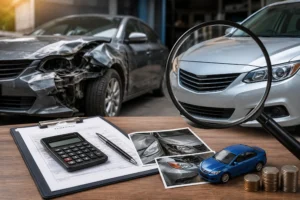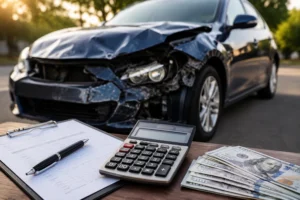

A low insurance repair estimate can turn an already stressful accident into a financial headache fast. One moment you are dealing with vehicle damage, towing, rental cars, and missed work. The next, you open the insurance estimate and realize the numbers barely make sense. The repair shop says the damage is worse. Parts are missing from the estimate. Labor hours look suspiciously low. Suddenly you start asking the question many drivers eventually face: “How is this enough to fix my car properly?”
The truth is simple. A low insurance repair estimate happens more often than most vehicle owners realize.
And no, it does not automatically mean the insurer is acting maliciously. Sometimes the estimate is simply incomplete. Sometimes hidden damage has not yet been discovered. Other times, cost-control practices, rushed inspections, or outdated pricing assumptions create a repair number that falls far below the actual cost of restoring the vehicle correctly.
That matters more today than ever before.
Modern vehicles are loaded with technology. Cameras. Radar systems. Structural reinforcement zones. Electronic safety systems. Specialized paint materials. Even what appears to be “minor damage” can trigger thousands in additional repairs beneath the surface.
The good news? Drivers are not required to blindly accept the first estimate they receive.
Understanding how auto appraisals, supplements, repair documentation, and insurance negotiations work can dramatically improve your outcome. Let’s break it down properly.
What a Low Insurance Repair Estimate Actually Means
An insurance repair estimate is the insurer’s initial calculation of what it believes your vehicle repairs should cost after an accident. That estimate is usually created using inspection software, labor databases, repair pricing systems, and photos from the damage assessment.
On paper, it may look detailed.
In reality, many estimates are only preliminary.
That distinction is important.
Insurance adjusters often inspect vehicles quickly, especially after storms, multi-car accidents, or periods of high claim volume. Some inspections are completed remotely using uploaded photos instead of physical evaluations. While technology speeds things up, it also creates room for missed damage.
A low insurance repair estimate may leave out:
- Structural damage
- Sensor calibration procedures
- Suspension issues
- Internal component damage
- Paint blending costs
- Diagnostic scanning
- Manufacturer-required repair procedures
The estimate may cover visible dents while ignoring what happened underneath.
That is where major claim disputes begin.
Why Insurance Estimates Often Come In Too Low
There is no single reason this happens. Usually, several factors combine together.
Fast Inspections Miss Hidden Problems
A quick visual inspection cannot always detect deeper collision damage.
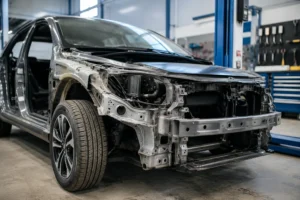
Modern vehicles are designed to absorb impact energy internally. Bumpers flex. Reinforcement bars shift. Mounting brackets bend. Structural zones absorb force beneath exterior panels. Modern vehicle engineering relies heavily on concepts similar to crumple zones, where certain sections absorb impact forces to help reduce injury during collisions.
At first glance, the vehicle may appear repairable with basic cosmetic work. Once technicians begin disassembly, additional damage often appears immediately.
This is why supplements are so common in collision repair.
Insurance Estimating Systems Use Generalized Data
Most insurers rely on standardized repair databases that estimate labor rates, repair times, and parts pricing. The issue is that real-world repair costs change constantly.
A certified collision center may charge:
- Higher labor rates
- Specialized calibration fees
- OEM-required repair procedures
- Manufacturer-specific materials
The insurer’s system may not fully reflect those actual costs.
Many carriers also rely on digital estimating systems and structured pricing models that function similarly to modern algorithm-based decision systems used across multiple industries.
Parts Pricing Creates Major Gaps
Some estimates rely heavily on aftermarket or recycled parts to reduce overall payout amounts. That can create large pricing differences compared to OEM parts.
Here’s a simple comparison:
| Part Type | Typical Goal | Potential Concern |
| OEM Parts | Factory-quality replacement | Higher cost |
| Aftermarket Parts | Lower repair expenses | Fitment inconsistencies |
| Recycled Parts | Cost reduction | Prior wear or hidden defects |
Not every aftermarket part is bad. But some create alignment problems, paint inconsistencies, or sensor compatibility issues that affect repair quality.
Signs Your Insurance Estimate May Be Too Low

Some warning signs appear repeatedly in underpaid claims.
The Repair Shop Immediately Challenges the Estimate
This happens constantly.
A qualified repair facility reviews the insurer’s estimate and instantly notices missing procedures or unrealistic labor assumptions. Experienced technicians know when the numbers do not reflect proper repairs.
Pay attention when a shop says:
- “This estimate is incomplete.”
- “Calibration is missing.”
- “There’s likely hidden damage.”
- “These labor hours are too low.”
- “The parts listed are incorrect.”
Those comments matter.
Safety Systems Were Not Addressed
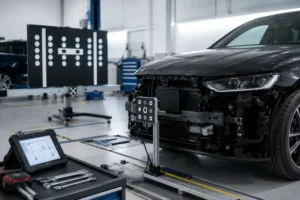
Modern vehicles contain advanced driver assistance systems that require specialized calibration after accidents.
This includes:
- Blind spot monitoring
- Lane departure warning
- Adaptive cruise control
- Parking sensors
- Collision avoidance radar
A low insurance repair estimate sometimes excludes these procedures entirely. That is a serious issue because improperly calibrated systems can affect vehicle safety directly.
Paint and Finish Work Looks Incomplete
Paint work is more complex than many drivers realize.
A proper repair may require:
- Paint blending
- Clear coat transitions
- Specialty finishes
- Texture matching
- Corrosion protection
Cheap paint work becomes visible quickly. Especially on metallic or pearl finishes.
If the estimate cuts corners on refinishing procedures, long-term quality suffers.
The Hidden Damage Problem Most Drivers Never See
This is where things get expensive.
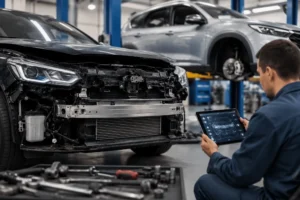
Visible exterior damage is often only a fraction of the real repair scope. Internal damage may remain hidden until teardown begins.
That hidden damage can involve:
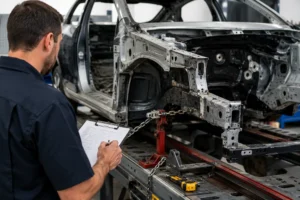
- Bent structural supports
- Cooling system components
- Wiring harnesses
- Suspension geometry
- Sensor mounting locations
- Cracked reinforcement materials
A vehicle may drive after an accident while still carrying significant internal damage.
And unfortunately, many drivers assume the first estimate already accounts for everything.
It often does not.
Electric Vehicles Add Even More Complexity
EV repairs bring another layer of difficulty.
Battery systems, cooling components, electrical isolation requirements, and specialized materials increase repair costs dramatically. Even moderate collisions can trigger expensive diagnostic procedures.
This is one reason why EV owners frequently challenge a low insurance repair estimate.
The repair process simply costs more.
What Drivers Should Do After Receiving a Low Estimate
The way you respond matters enormously.
Some drivers accept the estimate immediately and hope for the best. Others take a smarter approach and protect themselves properly.
Here is what works.
Review Every Line Carefully
Do not skim the paperwork.
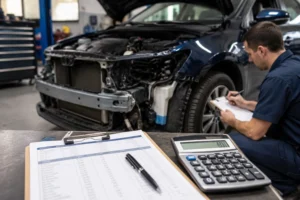
Read the estimate line by line and compare it against the actual vehicle damage. Look for:
- Missing repair procedures
- Missing parts
- Cheap replacement components
- Unrealistically low labor hours
- Missing calibrations
- Incomplete paint work
Even small omissions can add up to thousands.
Get an Independent Repair Opinion
This is one of the smartest moves a vehicle owner can make.
Ask a qualified collision repair facility to inspect the vehicle independently. Certified repair centers often identify repair requirements the insurer missed initially.
Important questions to ask:
- Are OEM procedures required?
- Will additional supplements likely appear?
- Are structural repairs involved?
- Does the estimate include diagnostic scanning?
- Are safety calibrations missing?
A detailed shop inspection creates leverage.
Document Everything
Strong documentation changes claims dramatically.
Keep organized records including:
- Damage photos
- Close-up impact images
- Repair shop findings
- Diagnostic reports
- Emails with adjusters
- Supplement requests
- Rental receipts
The more organized your documentation becomes, the harder it is to dismiss legitimate repair concerns.
Request a Supplemental Estimate
Supplements are normal in collision repair.
Once teardown reveals additional damage, repair facilities submit revised estimates for approval. Supplemental requests may include:
- Additional labor
- Structural repairs
- Safety calibrations
- Internal damage
- Paint procedures
- OEM-required operations
Many low initial estimates increase substantially once supplements are properly documented.
Why Independent Auto Appraisals Matter
This is where professional appraisals become powerful.
An independent auto appraiser evaluates the vehicle outside the insurance company’s internal process. Their role is objective analysis, not claim cost reduction.
That independence matters.
For drivers dealing with disputed collision costs, a professional car appraisal after accident can provide detailed documentation that strengthens negotiations and supports more accurate repair valuations.
What an Auto Appraiser Does
A professional appraiser may:
- Inspect collision damage
- Review repair procedures
- Analyze insurer estimates
- Evaluate market value loss
- Assess diminished value
- Provide formal appraisal reports
These reports strengthen negotiations because they rely on detailed evidence instead of assumptions.
When Appraisals Become Especially Important
Independent appraisals are particularly valuable for:
- Luxury vehicles
- Collector cars
- High-end trucks
- Electric vehicles
- Severe collision damage
- Diminished value disputes
The higher the vehicle value, the more financial risk exists when repairs are underestimated.
Understanding the car appraisal process also helps vehicle owners identify missing repair procedures, hidden damage, and inaccurate valuation methods before accepting an insurance settlement.
Understanding Diminished Value After an Accident
Many drivers focus only on repair costs. They overlook another major financial issue entirely.
Vehicle value loss.
Even after proper repairs, a vehicle with accident history often loses resale value simply because the accident appears on history reports.
That reduction is called diminished value.
And it can be substantial.
Types of Diminished Value
| Type | Meaning |
| Immediate Diminished Value | Loss immediately after collision |
| Inherent Diminished Value | Loss due to accident history |
| Repair-Related Diminished Value | Loss caused by poor repairs |
Newer vehicles and luxury models typically experience the highest diminished value losses.
Professional appraisals help calculate these losses accurately.
Common Mistakes Drivers Make After Low Estimates

Some mistakes create bigger problems later.
Avoid these completely.
Accepting the First Offer Too Quickly
The first estimate is not necessarily the final repair number.
Take time to review it carefully before approving repairs or signing settlement paperwork.
Choosing the Cheapest Repair Facility
Cheap repairs often become expensive repairs later.
Poor fitment, paint mismatch, incomplete repairs, and hidden shortcuts can reduce vehicle value and create safety concerns.
Quality matters.
Failing To Understand Insurance Coverage
Many drivers never fully review their own policy.
Important coverage options may include:
- OEM parts endorsements
- Rental reimbursement
- Gap coverage
- Appraisal clauses
- Diminished value rights
Understanding policy language changes your negotiating position significantly.
How the Auto Appraisal Process Usually Works
For drivers unfamiliar with appraisal services, the process is usually straightforward.
Initial Vehicle Inspection
The appraiser documents:
- Exterior damage
- Structural issues
- Repair quality concerns
- Vehicle condition
- Market value considerations
Photos and measurements are collected thoroughly.
Estimate Review
The insurer’s estimate gets analyzed against:
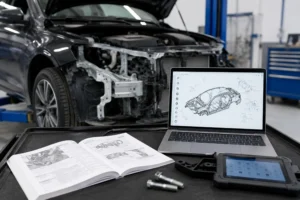
- Manufacturer procedures
- Real-world repair requirements
- Labor standards
- Calibration needs
- Current market pricing
Missing procedures become easier to identify.
Negotiation Support
Appraisal documentation supports negotiations with insurers, repair facilities, or legal representatives if disputes continue.
Strong evidence changes conversations quickly.
Protecting Yourself Before Another Accident Happens
Preparation helps more than most drivers realize.
Review Your Policy Annually
Check your coverage for:
- OEM parts options
- Rental reimbursement
- Deductible levels
- Appraisal rights
- Total loss procedures
Knowing your policy before an accident happens reduces confusion later.
Keep Vehicle Records Organized
Save:
- Maintenance records
- Prior repair invoices
- Upgrade receipts
- Inspection reports
These records help establish pre-loss vehicle condition.
Choose Certified Repair Facilities
Manufacturer-certified repair centers often follow stricter repair procedures and use proper calibration equipment.
That matters more than ever with modern vehicles.
Final Thoughts
A low insurance repair estimate should never be viewed as the automatic final answer. Initial estimates often miss hidden damage, underestimate labor requirements, overlook calibration procedures, or rely on unrealistic repair assumptions that do not reflect real-world collision repair costs.
Drivers who stay informed protect themselves far more effectively.
Review the estimate carefully. Ask hard questions. Get independent repair opinions. Document everything thoroughly. And when necessary, use professional auto appraisal services to strengthen your position.
Because once repairs begin, the goal is not simply making the car look fixed.
It is restoring safety, performance, reliability, and long-term value correctly.
And that starts by refusing to let an incomplete estimate define the outcome of your claim.
FAQs
Review the estimate carefully and compare it to the actual vehicle damage. Then ask a qualified repair shop to inspect the car independently.
Yes. Supplemental estimates are extremely common once hidden damage is discovered during teardown and inspection.
Repair facilities may identify missing labor, overlooked structural damage, calibration requirements, or incorrect parts pricing that the insurer initially missed.
Not necessarily. Some aftermarket parts perform well, but others may create fitment, paint, or sensor compatibility issues.
Hidden damage refers to internal vehicle problems not visible during the initial inspection, such as bent supports, damaged sensors, or suspension issues.
Usually yes. EVs often require specialized diagnostics, battery inspections, and advanced repair procedures that increase overall costs.
A supplemental estimate is an updated repair request submitted after additional damage or required procedures are discovered during repairs.
Yes. Vehicle owners generally have the right to select the repair facility they prefer for collision repairs.
Diminished value is the reduction in a vehicle’s resale value after an accident, even if repairs were completed properly.
Independent appraisers are especially helpful during major repair disputes, luxury vehicle claims, diminished value cases, or when the insurer’s estimate appears significantly too low.