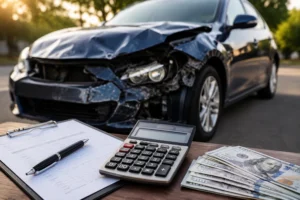

A total loss appraisal Texas dispute can become frustrating fast. One phone call from the insurance company changes everything. Suddenly your vehicle is declared a total loss, and the settlement offer sitting in your inbox feels far lower than expected.
That happens more often than many Texas drivers realize.
Vehicle prices have climbed. Used car markets fluctuate constantly. Repair costs continue rising. Yet many insurance valuations still leave policyholders wondering how their vehicle could possibly be worth so little.
I have seen drivers spend weeks researching listings online because the insurer’s numbers simply did not match reality. The frustration is understandable. You know what your vehicle was worth before the accident. The challenge is proving it with evidence instead of emotion.
That is where understanding the total loss appraisal Texas process becomes incredibly important.
The right information can protect thousands of dollars.
What Is a Total Loss Appraisal in Texas?
A total loss appraisal is a formal valuation process used when a vehicle owner and insurance company disagree on the value of a totaled vehicle.
Simple concept. Huge financial impact.
Insurance companies calculate what they believe your vehicle was worth immediately before the accident occurred. That figure becomes the basis for the settlement offer.
If the repair costs approach or exceed the vehicle’s value, the insurer may classify it as a total loss.
But here is the problem.
Not every valuation is accurate.
Some reports contain incorrect mileage. Others use poor comparable vehicles. Some completely ignore upgrades, aftermarket parts, or local Texas market conditions.
A total loss appraisal Texas process gives policyholders an opportunity to challenge questionable valuations using independent appraisers and supporting market evidence.
That can significantly change the outcome.
A professional appraisal becomes even more valuable after a collision because accident-related market changes can dramatically affect vehicle value. If you want to better understand how post-accident valuations work, this guide on car appraisal after accident explains how appraisers evaluate damage, diminished value, and insurance settlement disputes after a crash.
How Insurance Companies Determine Total Loss Value
Insurance companies do not pull numbers from thin air. They rely on valuation software and market comparisons.
Still, the process is not perfect.
Actual Cash Value Explained
Most insurers calculate Actual Cash Value, commonly called ACV.
That means the value of your vehicle immediately before the accident occurred.
Several factors influence this number:
- Mileage
- Vehicle condition
- Trim package
- Accident history
- Optional equipment
- Local market demand
- Comparable sales
Even small errors can reduce the valuation dramatically.
A missing premium package alone can affect thousands of dollars.
Common Valuation Systems Used by Insurers
Most insurance companies rely on third-party valuation systems such as:
| Valuation Platform | Common Purpose |
| CCC ONE | Market vehicle comparisons |
| Mitchell | Repair and valuation estimating |
| Audatex | Claims analysis and valuation |
These systems gather market data automatically.
But automated systems are only as good as the information entered into them.
Incorrect inputs create inaccurate valuations.
And unfortunately, many drivers never review the report carefully enough to catch those mistakes.
Insurance valuation systems rely heavily on large-scale market analysis and automated datasets. In many ways, these systems function similarly to modern algorithmic models that process thousands of data points to estimate vehicle values across changing markets.
Why Total Loss Offers Sometimes Feel Too Low

This is where things become interesting.
Many total loss disputes are not caused by intentional wrongdoing. They happen because valuation reports contain weak comparable vehicles or incomplete information.
Common problems include:
- Comparable vehicles located hundreds of miles away
- Lower trim levels used for comparisons
- Incorrect mileage entries
- Missing factory upgrades
- Poor condition adjustments
- Outdated market data
I have seen valuation reports compare luxury trim packages to base models.
That changes everything.
Texas vehicle markets also vary dramatically depending on region. A truck in Dallas may command a different value than the same truck in another state entirely.
Local demand matters.
That is why total loss appraisal Texas cases often require independent market research instead of blindly accepting the insurer’s initial numbers.
Texas Total Loss Laws Drivers Should Understand
Texas uses specific guidelines when determining whether a vehicle qualifies as a total loss.
Understanding these rules matters because they affect settlement negotiations.
Texas Total Loss Formula
Texas insurers generally evaluate whether repair costs plus salvage value exceed the vehicle’s actual cash value.
If the numbers no longer make financial sense, the insurer may declare the vehicle totaled.
But being classified as a total loss does not mean you must automatically accept the insurer’s valuation.
That distinction matters.
A total loss classification and a valuation dispute are two separate issues.
Salvage Titles
Once a vehicle is declared a total loss, the title may convert into salvage status.
That affects future resale value and registration requirements.
Some vehicle owners choose to retain the vehicle after settlement. Others surrender it to the insurance company entirely.
Each option has financial consequences.
Before making a decision, drivers should understand:
- Salvage title implications
- Repair costs
- Inspection requirements
- Potential resale limitations
Those details become especially important for high-value trucks, classic vehicles, and specialty cars.
Signs Your Total Loss Offer May Be Incorrect
Not every settlement offer deserves a dispute.
But some absolutely do.
Here are several warning signs that your valuation may need closer review.
Unrealistic Comparable Vehicles
Look closely at the comparable vehicles used in the report.
Are they:
- The same trim level?
- Similar mileage?
- Located in Texas?
- Equipped with similar options?
- Similar overall condition?
If not, the valuation may already be flawed.
Missing Upgrades or Options
Factory options can significantly affect vehicle value.
Examples include:
- Leather interior
- Premium audio systems
- Towing packages
- Lift kits
- Off-road packages
- Technology packages
- Performance upgrades
Many valuation reports miss these details entirely.
That creates undervaluation problems immediately.
Local Market Pricing Does Not Match
Texas truck and SUV markets can fluctuate aggressively.
A valuation based on distant market data may fail to reflect real local replacement costs.
That creates frustration for drivers attempting to purchase a comparable replacement vehicle.
And understandably so.
What Is the Appraisal Clause?
Many Texas auto insurance policies contain an appraisal clause.
This clause allows disputes over vehicle value to move into a formal appraisal process instead of escalating directly into litigation.
That can save time. Money too.
How the Appraisal Process Works
The process typically works like this:
| Step | Description |
| Policyholder selects appraiser | Independent vehicle appraiser represents owner |
| Insurance company selects appraiser | Carrier hires its own appraiser |
| Appraisers review evidence | Vehicle value research begins |
| Negotiations occur | Both sides attempt agreement |
| Umpire may become involved | Neutral party resolves disagreements |
The process focuses specifically on valuation disputes.
Not liability disputes.
That is important to understand.
Why Appraisal Can Be Effective
Lawsuits can become expensive and slow.
Appraisal often provides a more focused path toward resolution.
Benefits may include:
- Faster outcomes
- Lower costs
- Independent valuation review
- Reduced legal expenses
- More evidence-based negotiations
Many Texas drivers are unaware this option even exists inside their policy.
That lack of awareness can become costly.
The Step-by-Step Total Loss Appraisal Texas Process
The strongest claims usually come from organized vehicle owners.
Preparation changes outcomes.
Step 1: Review the Valuation Report Carefully
Do not skim the report.
Review every detail.
Check:
- Mileage
- VIN information
- Trim level
- Options
- Comparable vehicles
- Market adjustments
- Condition ratings
One inaccurate entry can affect the entire settlement.
Step 2: Gather Supporting Documentation
Documentation strengthens negotiations dramatically.
Helpful records include:
- Maintenance history
- Upgrade receipts
- Tire receipts
- Window sticker
- Service invoices
- Vehicle photos
- Comparable vehicle listings
Photos become especially valuable.
Clear documentation helps establish pre-loss condition far more effectively than verbal descriptions.
Step 3: Research Comparable Vehicles
Strong comparable vehicles should closely match:
- Year
- Make
- Model
- Trim
- Mileage
- Features
- Condition
Local Texas listings often provide stronger support than national averages.
Especially in competitive truck markets.
Understanding the broader valuation process can also strengthen your negotiating position during a total loss dispute. This detailed breakdown of the car appraisal process explains how professional appraisers inspect vehicles, analyze comparable sales, and determine fair market value using documented evidence and market research.
Step 4: Hire an Independent Appraiser
This is where expertise becomes important.
An experienced appraiser understands:
- Insurance valuation systems
- Market adjustments
- Comparable selection
- Texas market conditions
- Documentation strategies
A strong appraiser focuses on evidence.
Not emotion.
That distinction matters during negotiations.
Common Mistakes Drivers Make During Total Loss Claims
Some mistakes weaken claims immediately.
Others cost thousands.
Accepting the First Offer Too Quickly
Many drivers assume the first settlement offer is final.
It often is not.
Insurance companies may revise valuations when presented with stronger evidence and accurate comparable vehicles.
Ignoring the Valuation Details
This happens constantly.
Drivers focus only on the payout number while ignoring the underlying calculations.
But the details inside the report determine everything.
Failing to Document Vehicle Condition
Condition adjustments heavily influence valuations.
Without photos or maintenance records, proving excellent condition becomes much harder.
That weakens negotiating leverage.
Waiting Too Long
Delays can create problems.
Comparable vehicle listings disappear quickly. Documentation becomes harder to gather. Communication records become disorganized.
Strong claim files are usually built early.
How Independent Auto Appraisers Help Texas Drivers
Independent appraisers provide objective analysis.
That matters during disputes.
A skilled appraiser may help by:
- Reviewing insurer valuation reports
- Identifying inaccurate comparable vehicles
- Researching local market pricing
- Documenting upgrades
- Supporting negotiations
- Preparing formal appraisal reports
The goal is not inflating values artificially.
The goal is accuracy.
Big difference.
Strong appraisals rely on evidence, documentation, and market research rather than emotional arguments about sentimental attachment.
Insurance companies respond far more effectively to data.
Factors That Can Increase Appraised Vehicle Value

Several factors may strengthen vehicle valuations during a total loss appraisal Texas dispute.
| Factor | Why It Matters |
| Low Mileage | Supports higher market value |
| Excellent Maintenance | Indicates strong vehicle condition |
| Premium Trim Packages | Increases replacement cost |
| Recent Repairs | Adds measurable value |
| Clean Interior Condition | Improves condition adjustments |
| Strong Local Demand | Raises comparable market pricing |
Texas truck markets especially can vary significantly based on season, fuel prices, and regional demand.
Market timing matters more than many drivers realize.
Total Loss Appraisal vs. Lawsuit
Not every dispute requires legal action.
In many cases, appraisal resolves valuation disagreements more efficiently.
Advantages of Appraisal
Appraisal may offer:
- Faster resolution
- Lower legal costs
- Less procedural complexity
- Independent valuation review
- More focused negotiations
That efficiency helps drivers move forward faster after stressful accidents.
When Legal Action May Still Be Necessary
Some disputes extend beyond valuation.
Examples include:
- Bad faith allegations
- Coverage disputes
- Claim handling violations
- Delayed payments
- Denied coverage
Those situations may require legal review.
But many straightforward valuation disputes resolve successfully through appraisal alone.
Tips to Strengthen Your Total Loss Appraisal Texas Case
Preparation creates leverage.
Disorganization weakens claims.
Here are practical ways to strengthen your position:
Keep Everything Organized
Create a dedicated claim folder containing:
- Photos
- Emails
- Text messages
- Estimates
- Receipts
- Comparable listings
- Policy documents
Organization improves communication and reduces mistakes.
Focus on Evidence
Avoid emotional arguments.
Stay factual.
Strong evidence includes:
- Comparable sales
- Repair invoices
- Market listings
- Maintenance records
- Photos
Facts carry more weight than frustration.
Communicate Professionally
Even stressful claims benefit from calm communication.
Professional discussions often produce better outcomes than confrontational exchanges.
That does not mean accepting weak valuations.
It means presenting strong evidence effectively.
Why Understanding Your Rights Matters
Vehicle values today are significant.
For many Texas families, a vehicle represents one of the largest financial assets they own outside of a home.
An undervalued total loss settlement can create serious financial strain.
Especially when replacement vehicle prices remain elevated.
That is why understanding the total loss appraisal Texas process matters so much.
Knowledge improves negotiating power.
Documentation strengthens credibility.
Preparation creates leverage.
Drivers researching total loss appraisal Texas disputes should also review consumer claim resources from the Texas Department of Insurance, which explains important insurance rights, settlement procedures, and complaint options available to Texas policyholders.
And professional appraisal support can help drivers challenge questionable valuations with actual market evidence instead of guesswork.
Final Thoughts
A total loss appraisal Texas dispute is not just about arguing over numbers.
It is about protecting your financial position after a stressful accident.
Some insurance valuations are accurate.
Others are not.
The key is reviewing every detail carefully before accepting a settlement.
Check the comparable vehicles. Review the condition adjustments. Verify mileage and trim levels. Gather documentation early. Stay organized throughout the process.
Most importantly, focus on evidence.
That is what changes outcomes.
Strong appraisals rely on market data, accurate comparable vehicles, and thorough documentation that supports fair vehicle valuation.
Because when thousands of dollars are involved, small details become very important very quickly.
FAQs
A total loss appraisal is a process used to determine the fair market value of a totaled vehicle when the owner and insurance company disagree on the settlement amount.
Yes. Texas drivers can challenge low settlement offers by reviewing the valuation report, gathering evidence, and using the appraisal clause if available in their policy.
Insurers typically calculate Actual Cash Value using market comparisons, vehicle condition, mileage, options, and valuation software.
The appraisal clause allows both the policyholder and insurer to hire independent appraisers to resolve disputes over vehicle value without filing a lawsuit.
Most appraisal disputes are resolved within several weeks, although complex disagreements or umpire involvement can extend the timeline.
An independent appraiser may help identify inaccurate comparable vehicles, missing upgrades, or valuation errors that could support a higher settlement.
Helpful documents include maintenance records, repair receipts, photos, upgrade invoices, and local comparable vehicle listings.
No. Initial settlement offers are often negotiable, especially if the valuation report contains inaccurate information or weak comparable vehicles.
If disagreements continue, a neutral umpire may review the evidence and help determine the final appraised value.
In many cases, appraisal is faster and less expensive than litigation while still providing an independent review of the disputed vehicle value.